
Now Reading: ‘Dil Dhoondta Hai Phir Wohi’ Shows the Real Struggles of Caregiving Faced by Pakistani Women
- 01
‘Dil Dhoondta Hai Phir Wohi’ Shows the Real Struggles of Caregiving Faced by Pakistani Women
‘Dil Dhoondta Hai Phir Wohi’ Shows the Real Struggles of Caregiving Faced by Pakistani Women


The Pakistani drama Dil Dhoondta Hai Phir Wohi continues to shed light on the unseen emotional and physical toll that caregiving takes on women. Written by Rida Bilal and directed by Adnan Sarwar, the series is produced by Alpha Productions and airs on Express Entertainment. Its cast features powerhouse performers including Zahid Ahmed, Zara Noor Abbas Khan, Mohammed Ahmed, Faizan Sheikh, Noreen Gulwani, and Rubina Ashraf.
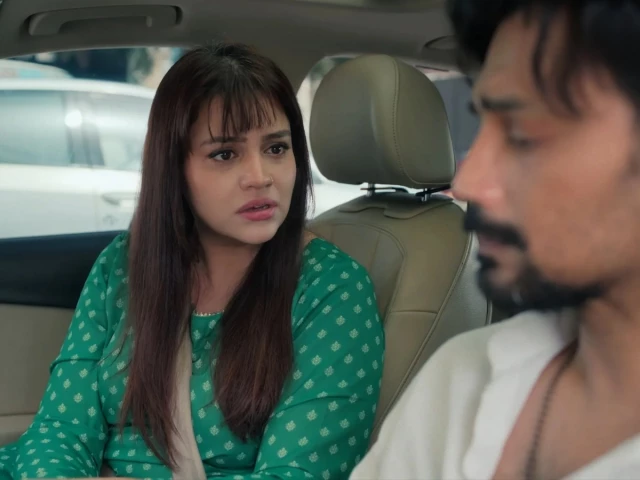
Episode 7 Highlights: The Burden of Care and Compassion
In the latest episode, Zara Noor Abbas Khan shines as Ramsha, a woman whose life takes a dramatic turn after her husband Ali, played by Zahid Ahmed, is diagnosed with frontotemporal dementia. The illness affects Ali’s memory, emotions, and behavior, leading to unexpected challenges in their marriage and family life.
As Ali’s condition worsens, Ramsha becomes both caretaker and emotional anchor. She handles his mood swings, forgetfulness, and emotional withdrawal while trying to keep her household and professional life in balance. The episode brilliantly captures the emotional exhaustion of caregiving the small sacrifices, the unspoken fears, and the quiet resilience that women often carry without recognition.
Frontotemporal Dementia and Its Emotional Impact
Frontotemporal dementia is a rare neurological condition that changes personality, decision-making, and emotional control. Through Ali’s character, Dil Dhoondta Hai Phir Wohi offers a realistic portrayal of how such illnesses can reshape family relationships. Ali’s increased dependence on binge eating as a coping mechanism reflects how mental health struggles often manifest physically, further complicating the caregiver’s role.
For Ramsha, each day becomes a test of patience not only managing Ali’s unpredictable behavior but also confronting the emotional isolation that comes with her role. The show subtly yet powerfully depicts how caregiving can blur one’s sense of self as women like Ramsha constantly prioritize others over themselves.
Societal Pressures on Women in Caregiving Roles
Beyond the emotional and physical strain, Dil Dhoondta Hai Phir Wohi also explores the social burden placed on Pakistani women. Ramsha’s mother-in-law blames her for her husband’s condition, and her own family offers little support. She is also weighed down by unresolved property disputes and financial limitations — issues many women in South Asia can relate to.
The drama captures how women are expected to maintain peace, carry emotional burdens, and never complain — a reflection of the patriarchal mindset that often undervalues women’s contributions. The emotional labor they perform daily is seen as duty, not effort, and only gains attention when things go wrong.
A Turning Point That Defines the Emotional Weight
The episode’s most powerful scene unfolds when Ramsha briefly leaves her son with Ali to run errands. During her absence, her son injures himself while cooking, and Ali remains unaware of what has happened. This incident becomes a painful reminder of the limits of caregiving no one can be everywhere at once, yet society often expects women to be.
Ramsha’s brief absence isn’t neglect; it’s a moment of human exhaustion. However, it highlights how women’s constant efforts are often recognized only when a crisis occurs. The scene resonates deeply, showing how care work is both essential and invisible in most households.
Redefining the Meaning of Caregiving
Through Ramsha’s journey, Dil Dhoondta Hai Phir Wohi challenges the romanticized notion of caregiving as selfless devotion. Instead, it portrays it as unpaid labor that sustains families but rarely earns appreciation. The drama doesn’t rely on exaggerated emotions or dramatic confrontations. Instead, it builds quiet realism small moments of sadness, strength, and endurance that together form a powerful commentary on women’s lives.
The storytelling feels deeply human. It reminds viewers that caregiving is not just love; it is also labour, sacrifice, and survival. The show encourages empathy and awareness around the struggles that countless women face behind closed doors.
A Drama That Reflects Real-Life Challenges
Dil Dhoondta Hai Phir Wohi stands out among Pakistani dramas for its mature storytelling and emotional honesty. With thoughtful writing by Rida Bilal and sensitive direction by Adnan Sarwar, it succeeds in portraying the realities of family caregiving without resorting to clichés.
The show not only educates viewers about dementia and mental health but also opens discussions about the emotional cost of unpaid domestic work. Its characters, especially Ramsha, represent many Pakistani women who continue to manage their families while silently battling emotional fatigue.
When and Where to Watch
Fans can watch Dil Dhoondta Hai Phir Wohi every Wednesday and Thursday at 8:00 PM (PKT) on Express Entertainment. The series continues to build momentum as one of the most emotionally grounded dramas currently airing on Pakistani television.