
Now Reading: Punjab Announces Dates for 2026 Matric and Inter Exams
- 01
Punjab Announces Dates for 2026 Matric and Inter Exams

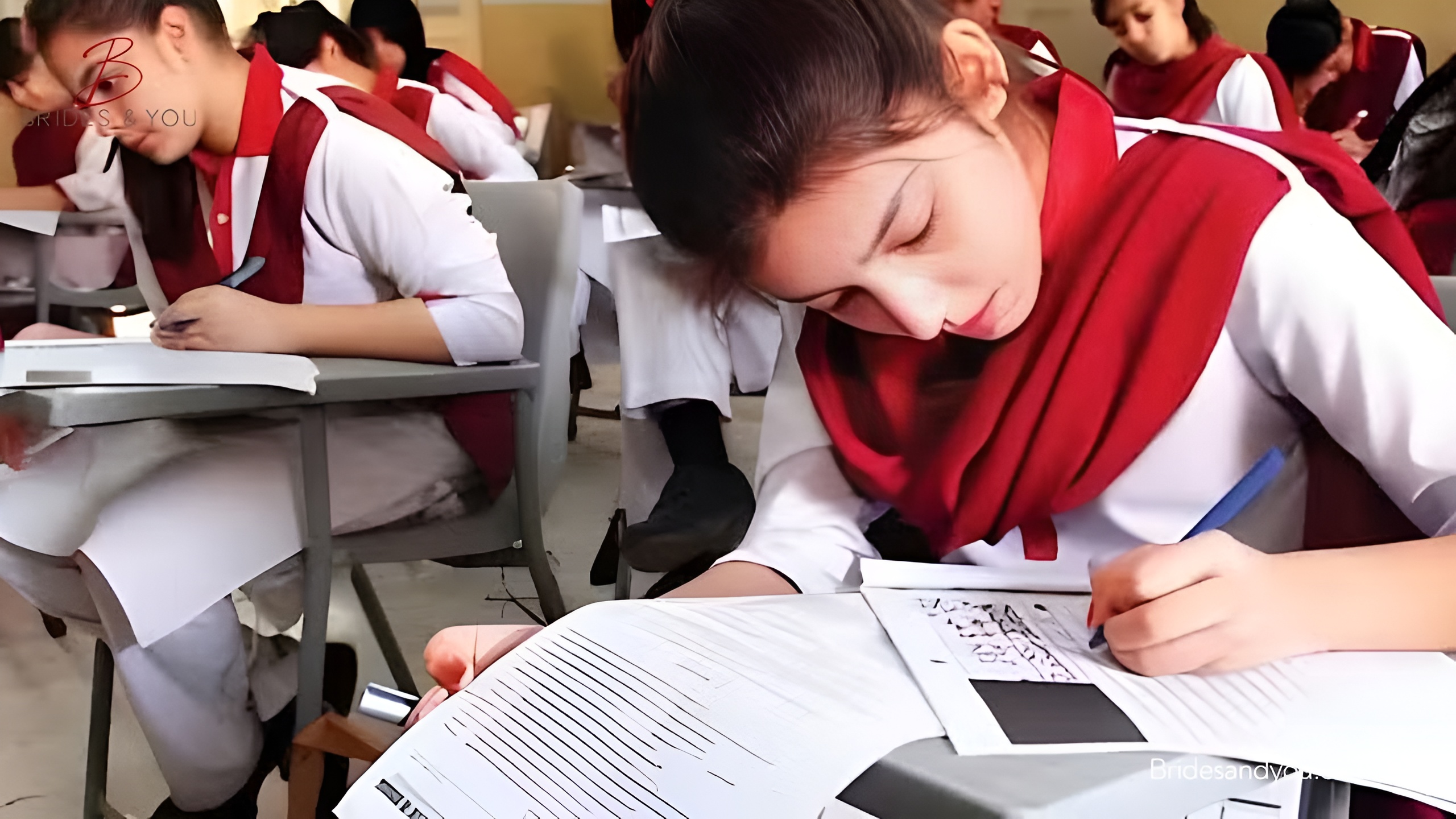
The Punjab Education Department has officially released the long-awaited exam schedule for matric and intermediate students for the 2026 academic year. This announcement brings clarity for thousands of students, parents, and teachers who were waiting for confirmed dates to plan their studies and school activities. According to the notification, matric exams will begin on March 3, 2026, while intermediate exams will start on May 5, 2026.
Along with the exam schedule, the department also approved major updates regarding the admission policy, academic calendar, syllabus, and textbook printing for the upcoming year. These changes aim to make the education system more structured, transparent, and aligned with modern learning needs.
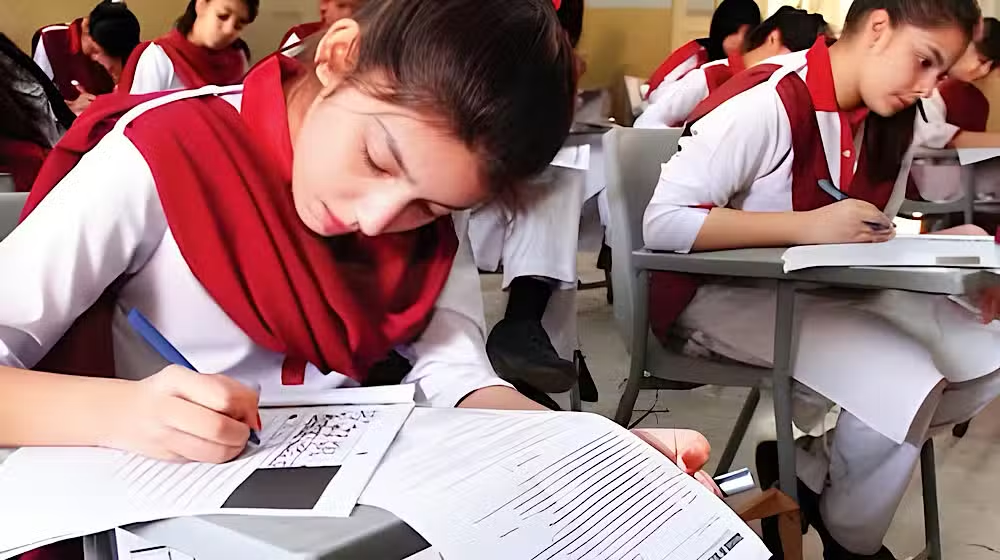
Matric Exams 2026 – Punjab Announces Dates for 2026 Matric and Inter Exams
The Punjab Education Department stated that matric exams will officially begin on March 3, 2026. This schedule gives students around five months of preparation time before appearing in the annual board exams.
Authorities have highlighted that the revised exam structure and updated syllabus will guide students more effectively. The new changes focus on developing conceptual understanding instead of rote memorization.
What Students Should Expect in Matric Exams 2026
- Improved and updated syllabus
- More conceptual questions
- Standardized marking methods across all boards
- Updated textbooks to be provided before the academic year begins
With better preparation guidelines and a clear timeline, students can now create a study plan that matches their board exam goals.
Intermediate Exams 2026 – Punjab Announces Dates for 2026 Matric and Inter Exams
The intermediate board exams will begin on May 5, 2026, as confirmed by Punjab’s education authorities. This date gives intermediate students additional time for preparation after the matric exams season.
Intermediate exams play a major role in shaping a student’s future educational path. Whether students want to enter medical, engineering, IT, arts, or commerce fields, their intermediate scores greatly affect their college admissions.
Key Highlights for Inter Exams 2026
- Exams start on May 5
- Revised policies will support fair assessment
- Updated textbooks and a new curriculum to improve learning quality
- Increased focus on analytical and practical knowledge
Punjab’s boards aim to ensure fair, transparent, and efficient examination procedures in 2026.
New Admission Policy, Textbook Updates, and Revised Academic Calendar
Along with exam dates, Punjab has approved a new admission policy and a revised school calendar for 2026. According to the new plan, the academic session will start on April 1, 2026.
Free Textbooks from April 5
The government also confirmed that free textbooks will be distributed from April 5, 2026, to all students. This early distribution aims to support equal opportunities and reduce the financial burden on families.
New and Updated Textbooks for 2026
Punjab will introduce 29 new or replacement textbooks for classes from Grade 6 to matric. These books will be:
- Printed in December 2025
- Based on modern teaching methods
- Designed to promote analytical thinking
Punjab is moving towards content that supports skill-based learning rather than outdated memorization techniques.
Class 8 Board-Based Exams to Start on February 3, 2026
One of the major changes in Punjab’s education system is the introduction of board-based exams for Class 8, beginning on February 3, 2026. This shift shows the department’s focus on standardized assessment from an early stage.
Why Class 8 Board Exams Matter
- They prepare students for future board exams
- They increase accountability for schools
- They help identify learning gaps earlier
- They promote equal educational standards across the province
This step marks a major transformation in Punjab’s assessment strategy.
Punjab’s Education Crisis – Rising Dropout Rates and Out-of-School Children
While the government is taking steps to improve examination systems and learning quality, Punjab continues to face a serious challenge: rising dropout rates and an increasing number of out-of-school children.
Disturbing Statistics
- In 2025, Punjab recorded 28 million out-of-school children.
- The number is expected to cross 30 million in 2026.
- Many children leave school due to financial pressure, lack of access, or poor school facilities.
This situation highlights the urgent need for educational reforms, better school infrastructure, and support systems for families.
Why Are Students Dropping Out?
- Poverty and financial problems
- Lack of transport or school accessibility
- Early child labor due to household needs
- Outdated teaching styles that do not engage students
- Limited awareness about the importance of education
Although Punjab is improving classroom content and examination processes, the government must address these deeper issues to reduce the dropout crisis.
How the New Education Initiatives Can Help Punjab
The new policies, updated textbooks, and standardized exams are steps in the right direction. If implemented effectively, they can:
- Improve learning outcomes
- Reduce inequalities between urban and rural schools
- Encourage students to stay in school
- Help teachers adopt modern teaching methods
- Prepare students for future academic and career opportunities
Punjab’s education reforms may not solve all problems immediately, but they can lay the foundation for a stronger system over the next few years.
Conclusion
The announcement that Punjab Announces Dates for 2026 Matric and Inter Exams brings clarity and direction to students, teachers, and parents. With confirmed exam dates, updated textbooks, a revised academic calendar, and standardized assessments, Punjab is trying to reshape its education system. However, the province must still address the growing dropout crisis to ensure every child receives quality education.
The upcoming 2026 education year holds both challenges and opportunities. With proper effort and consistent reforms, Punjab can move toward a more stable and inclusive academic future.