
Now Reading: UK Universities Restrict Recruitment of Pakistani and Bangladeshi Students
-
01
UK Universities Restrict Recruitment of Pakistani and Bangladeshi Students

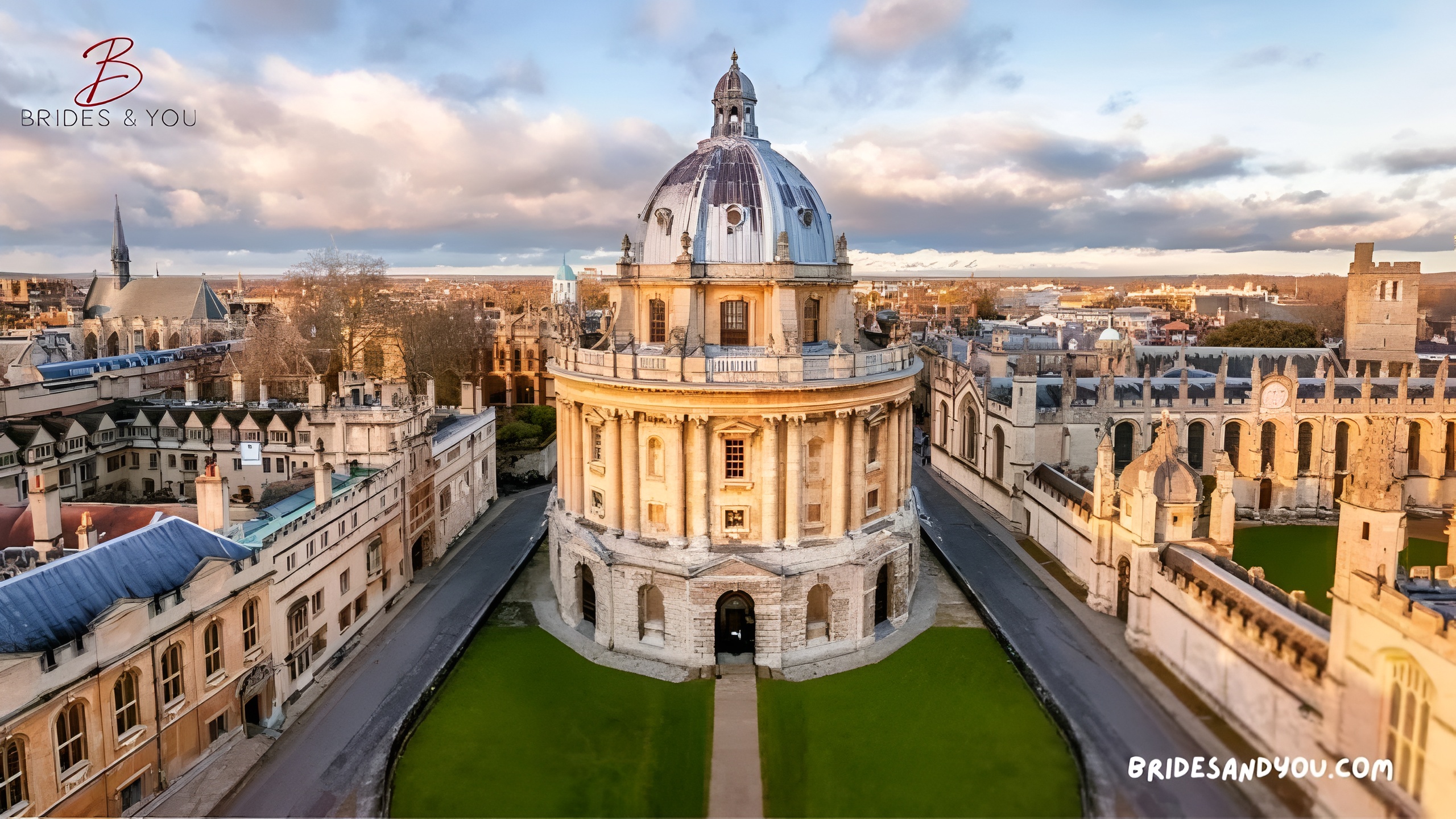
The decision by several prestigious UK universities to limit or suspend admissions for Pakistani and Bangladeshi students has created widespread concern across South Asia. For many young people, the United Kingdom has always been a dream destination for higher education. Its rich academic history, global reputation, and diverse student community make it an ideal place to study and build a career. However, recent changes in immigration regulations and rising visa refusal rates have forced universities to adopt stricter measures.
In this detailed guide, we explain what these restrictions mean, why they were implemented, how different institutions are responding, and what students can do to prepare for the future.

Why UK Universities Are Restricting Recruitment of Pakistani and Bangladeshi Students
The UK government has introduced tougher immigration rules, especially for international students, to prevent misuse of the student visa route. According to the Financial Times, at least nine universities have placed Pakistan and Bangladesh in a “high-risk” category. These universities felt the need to tighten their admissions process to avoid losing their licence to sponsor international students.
One of the main reasons behind the restrictions is the rise in asylum claims from students entering on study or work visas. UK ministers have openly stated that student visas should not be used as a “backdoor” for long-term settlement.
Another major factor is the recent change in compliance thresholds. Starting September 2025, universities must maintain a maximum visa refusal rate of 5%. However, refusal rates for Pakistani and Bangladeshi applicants currently stand at 18% and 22%, significantly higher than allowed. Because of this, universities fear they may lose their right to enrol international students altogether if they continue accepting high-risk applicants without strict screening.
Universities Taking Action Against High-Risk Visa Categories
Multiple UK universities have taken strong steps to protect their status as licensed sponsors.
University of Chester
The University of Chester has completely suspended recruitment from Pakistan until autumn 2026. They stated that an “unexpected rise in visa refusals” forced them to take this decision.
University of Wolverhampton
Wolverhampton University has stopped accepting undergraduate applications from both Pakistan and Bangladesh. However, they may still consider postgraduate applications with stricter screening.
University of East London (UEL)
UEL has paused all recruitment from Pakistan, citing visa compliance concerns. This is a major setback for thousands of South Asian students who prefer UEL for business, engineering, and IT programs.
Other Universities Restricting Admissions
Several other institutions have also adopted similar measures, including:
- Coventry University
- University of Sunderland
- Hertfordshire University
- Oxford Brookes University
- Glasgow Caledonian University
- BPP University (private institution)
These universities claim the restrictions are only temporary, but no clear timelines have been announced for resuming normal admissions.
Understanding the New UK Visa Rules Affecting Students
The UK’s new rules have tightened compliance for universities. Here are the key changes affecting Pakistani and Bangladeshi applicants:
Lower Visa Refusal Threshold
Universities previously had a limit of 10% refusal rate. Now it has been reduced to 5%, making it harder for universities to take risks on applicants from countries with higher rejection levels.
Sharp Rise in Visa Refusals
According to official data, Pakistani and Bangladeshi applicants account for half of the 23,036 student visa refusals recorded by the Home Office in one year.
Increasing Asylum Claims
A concerning trend is the rising number of asylum claims from students who travel initially for study or work. This has led the Home Office to question the legitimacy of many applications.
Stricter Checks and Documentation
Students are now required to submit stronger financial proof, genuine academic intent, and credibility interview performance.
Impact on Students From Pakistan and Bangladesh
For thousands of students, these restrictions are both confusing and heartbreaking. Many students spend months preparing documents, arranging financial proof, and selecting universities. Getting rejected at the final stage because of policy changes is extremely discouraging.
Education advisers in Pakistan are also expressing frustration. Maryem Abbas, founder of Edvance Advisors in Lahore, described the situation as “heartbreaking”, especially for genuine students who did everything correctly but still faced rejection.
She also highlighted a major problem: poor oversight of recruitment agents. Many agents focus only on profits and misguide applicants. This misuse has contributed to the crisis and made it harder for genuine students to succeed.
How Universities Are Responding to the Situation
Universities UK International, a major body representing British universities, stated that institutions must now diversify their international intake and strengthen their verification processes. They admit the new rules are challenging but believe they help maintain trust in the UK education system.
Some universities may implement:
- More detailed credibility interviews
- Stronger screening of financial documents
- Better monitoring of recruitment agents
- Reduced offers to high-risk regions
While these measures may seem strict, they aim to ensure that only genuine students receive opportunities.
What Pakistani and Bangladeshi Students Can Do Now
If you’re planning to apply to the UK, the situation may feel uncertain. However, there are still many steps you can take to improve your chances.
1. Apply Early and Prepare Perfectly
As universities reduce intake, early and complete applications matter more than ever.
2. Strengthen Your Financial Documents
Make sure your bank statements, sponsorship proof, and income sources are transparent.
3. Prepare for Credibility Interviews
Focus on:
- Your study plan
- Why you chose the UK
- Course relevance to your past education
- Your long-term goals
4. Avoid Unlicensed or Unverified Agents
Work with reputable education consultants or apply directly to universities.
5. Consider Alternative Study Destinations
If UK admissions remain restricted, you may also explore:
- Canada
- Australia
- Ireland
- Germany
- Malaysia
What the Future Looks Like for International Admissions
Experts believe these restrictions might not be permanent. Universities heavily depend on international students for revenue. Many institutions charge lower fees and rely on overseas admissions to stay financially stable. International education consultant Vincenzo Raimo explained that this situation creates a “real dilemma” for such universities.
If refusal rates decline and agent misuse reduces, universities may soon reopen admissions for Pakistani and Bangladeshi students. Until then, students must stay alert, follow official updates, and make strong, credible applications.