Now Reading: Kanwal Aftab’s Hajj Makeup Controversy Sparks Massive Debate On Social Media
-
01
Kanwal Aftab’s Hajj Makeup Controversy Sparks Massive Debate On Social Media
Kanwal Aftab’s Hajj Makeup Controversy Sparks Massive Debate On Social Media

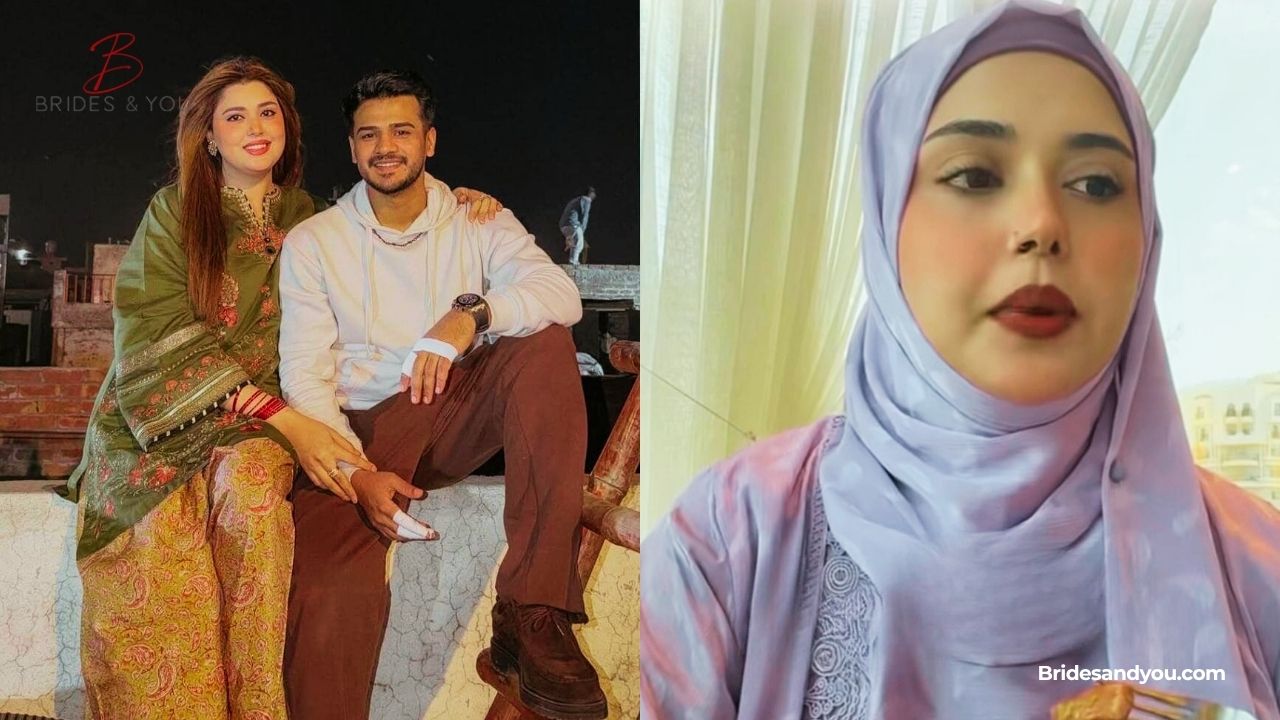
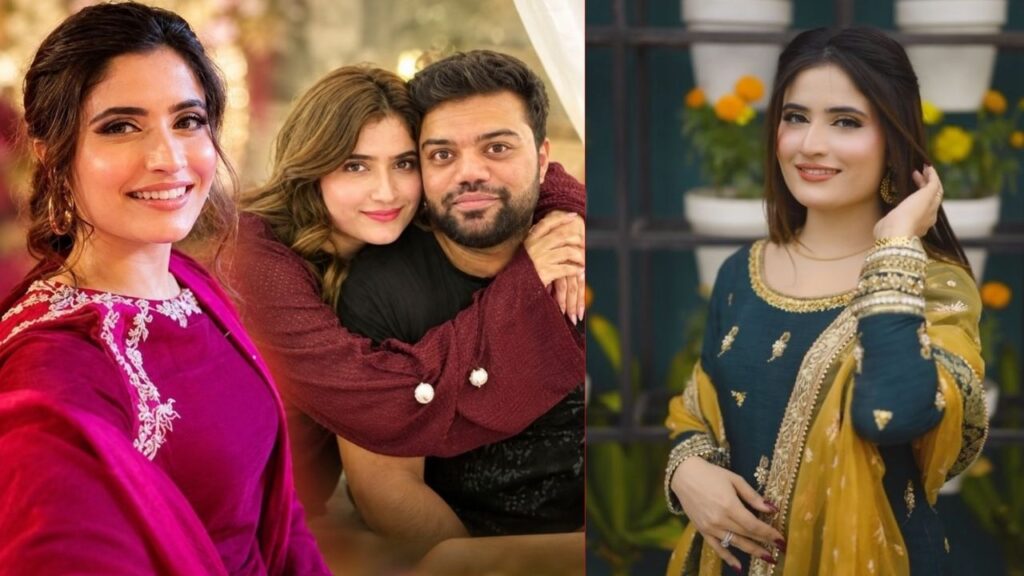
Pakistani influencer Kanwal Aftab has landed in the middle of a heated online discussion after sharing glamorous photos and videos during her Hajj journey. The Kanwal Aftab Hajj makeup controversy quickly became one of the most talked-about topics on social media, with users debating whether makeup should be worn during such a sacred pilgrimage.
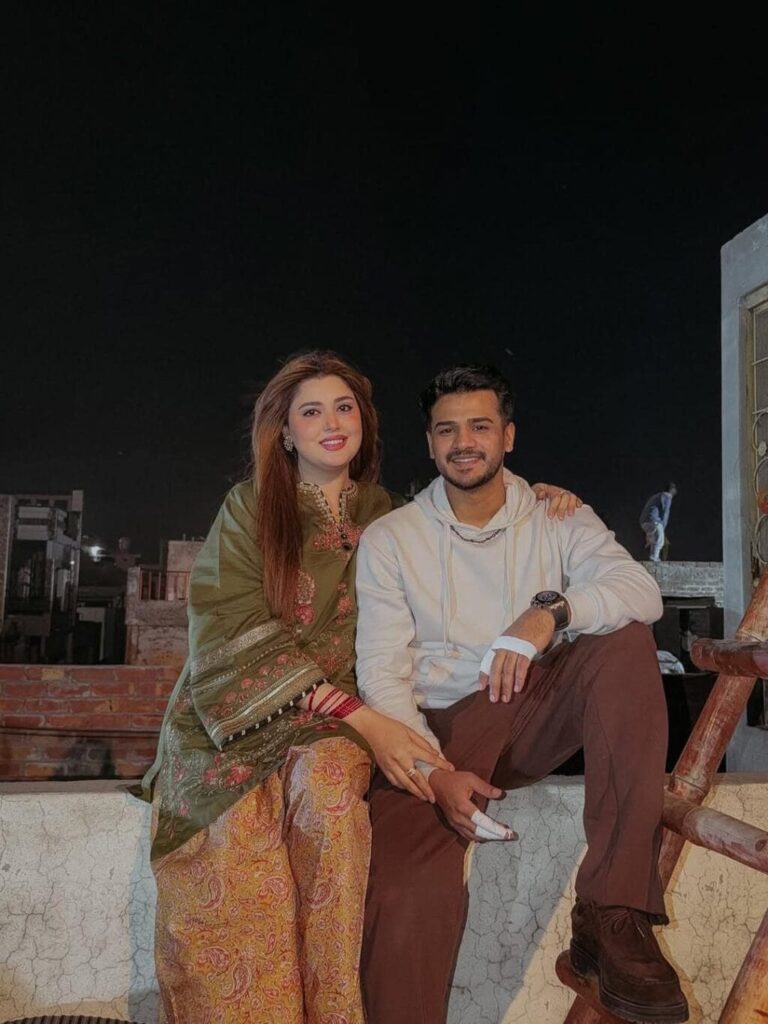
Kanwal Aftab and her husband Zulqarnain Sikandar are among Pakistan’s most popular digital creators. The couple enjoys a massive fan following across TikTok, YouTube, and Instagram, where they regularly share family content, lifestyle updates, and travel moments with millions of followers. Their daughter, Aizal Zulqarnain, is also frequently featured in their vlogs and remains adored by fans.
Kanwal Aftab’s Hajj Journey Draws Attention
The influencer couple recently traveled to Makkah for Hajj 2026 and began posting pictures and short clips from their spiritual journey. While many followers appreciated seeing glimpses of their pilgrimage, one particular look shared by Kanwal Aftab sparked strong reactions online.
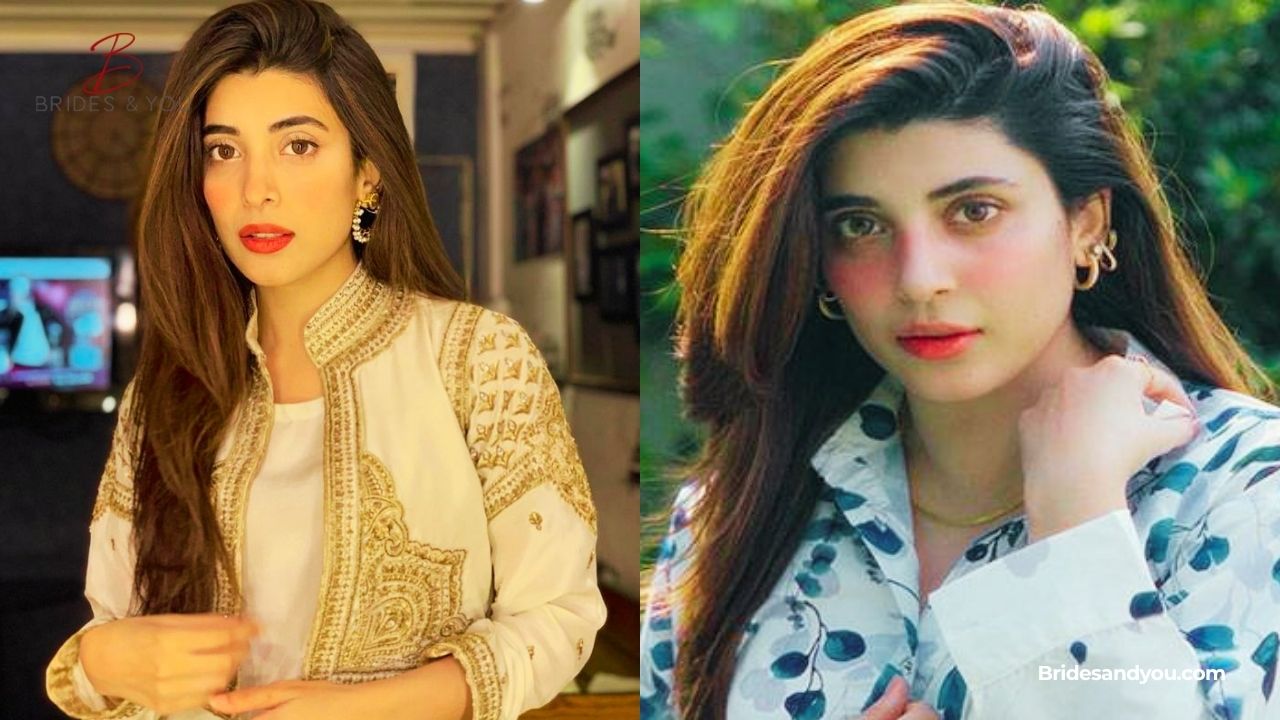
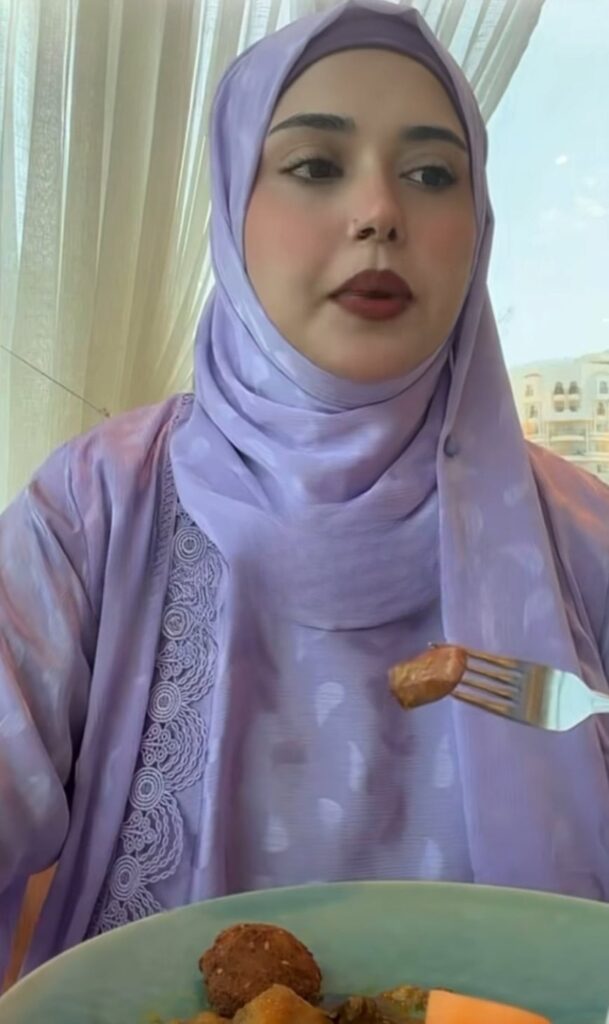
In the viral clips and photos, Kanwal Aftab appeared wearing a full makeup look, including dark eye makeup and deep maroon lipstick, while dressed in Hajj attire. Soon after the content surfaced online, social media users started criticizing her appearance, questioning whether such styling was appropriate during Hajj.
Kanwal Aftab Responds To Criticism
As criticism intensified, Kanwal Aftab addressed the controversy publicly. Responding to comments about her lipstick and makeup, she questioned why people were connecting worship with her appearance. She also clarified that the official Hajj rituals begin on the 8th of Zil Hajj and urged critics to educate themselves before passing judgment.
Her response, however, added more fuel to the debate. While some followers defended her right to personal choice, many others continued expressing disappointment and concern over what they believed was an overly glamorous presentation during a religious journey.
Social Media Reacts Strongly
The Kanwal Aftab Hajj makeup controversy divided social media users, with reactions pouring in across different platforms. Several users argued that makeup during Hajj goes against the spirit of simplicity and modesty associated with the pilgrimage. Others felt influencers should avoid turning religious moments into social media content.
At the same time, some supporters came forward saying people should focus more on personal worship rather than judging appearances online. The ongoing debate reflects how public figures often face intense scrutiny, especially when religion and social media intersect.
Influencers And Public Expectations
Over the years, Pakistani influencers have become highly visible public personalities, and with that visibility comes constant public observation. Every outfit, statement, or social media upload can quickly become a topic of discussion.
For many followers, religious journeys like Hajj carry deep emotional and spiritual significance. Because of this, audiences often expect public figures to present themselves in a more traditional and modest manner during such occasions. On the other hand, influencers continue to balance personal expression with public expectations in the digital age.
As the discussion continues online, the controversy has once again highlighted the growing impact of social media culture on religious and public conversations in Pakistan.