
Now Reading: French Hospital Uses Donkey Therapy To Support Mental Health Recovery
-
01
French Hospital Uses Donkey Therapy To Support Mental Health Recovery

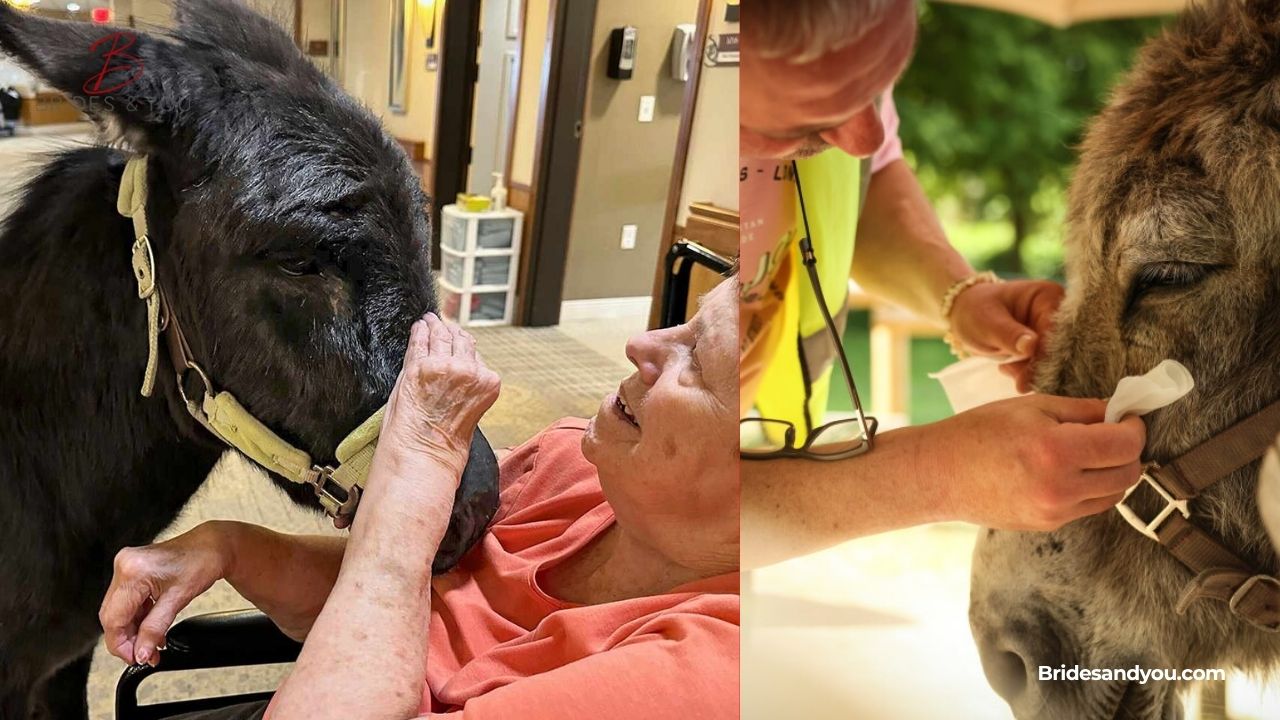
The France Donkey Therapy Mental Health Program is drawing attention for its unusual approach to emotional care. A psychiatric hospital near Paris has introduced guided sessions where patients spend time with donkeys as part of their broader mental health treatment plan. The goal is not to replace medical care but to complement it with calm, structured interaction and routine.


According to reports, the program is being run at Ville-Évrard Hospital. Patients are encouraged to walk the animals, help with basic care, and build a gentle bond over repeated visits. Staff say the predictable rhythm of these activities can help some people feel more grounded and engaged.
What Patients Actually Do In The Sessions
Each participant is usually paired with a specific donkey so that familiarity can develop over time. During sessions, patients may:
- Walk the donkey through the hospital’s outdoor grounds.
- Brush or care for the animal under supervision.
- Spend quiet time observing and interacting with it.
- Talk with staff about their feelings and reactions during the experience.
The emphasis is on routine, presence, and emotional connection rather than performance or achievement.
Why some clinicians are interested in animal-assisted therapy
This program is being presented as a complement to standard psychiatric care, not a replacement. Supporters say structured interaction with calm animals may help some patients feel more engaged, less isolated, and more willing to participate in rehabilitation activities. The reported benefits are observational and individual, not a proven cure for depression or anxiety.
Reported Benefits: Calm, Confidence, And Less Isolation
Several participants described the sessions as soothing and emotionally supportive. One patient reportedly compared the sense of calm to the relief they feel from a relaxing treatment, saying that worries seem to fade temporarily while interacting with the animal.
Staff members have also highlighted practical changes. In one case, a patient with significant mobility limitations was initially reluctant to leave a wheelchair. After several visits with a donkey, the patient reportedly became more willing to stand, move, and participate in activities alongside the animal. Clinicians involved in the program view this as a sign of increased confidence and engagement.
Another participant said the sessions helped reduce feelings of loneliness. For many mental health patients, social withdrawal can be a major challenge, and even simple, nonjudgmental interaction may feel meaningful.

Important context
The hospital is not claiming that donkeys cure mental illness. The sessions are described as a supportive, supervised addition to conventional psychiatric treatment that may help some patients feel calmer, more connected, and more motivated to participate in care.
Why Donkeys Instead of More Common Therapy Animals?
Animal-assisted therapy often brings to mind dogs or horses. Donkeys offer a different dynamic: they tend to move slowly, respond calmly, and encourage patients to match their pace. Advocates of the program say that this slower rhythm can be helpful for people dealing with anxiety, agitation, or emotional overload.
At the same time, researchers generally consider evidence for animal-assisted interventions to be mixed and highly dependent on the setting, patient population, and quality of supervision. Most experts frame such programs as adjunctive therapies—supportive tools used alongside established psychiatric care, medication, counseling, and rehabilitation services.
A Rare Program Within France’s Public Health System
The sessions are reportedly offered without additional cost to eligible patients through France’s public healthcare system. Observers have described the initiative as unusual and possibly unique in the French psychiatric sector because it focuses specifically on donkeys as the therapeutic partner.
Whether the model expands will likely depend on clinical outcomes, patient feedback, staffing resources, and future research. For now, the program stands out as an example of how hospitals are exploring creative, low-tech ways to support emotional well-being while keeping conventional treatment at the center of care.