Now Reading: Tapish Writer Rehana Aftab Criticizes Makers Over Drama’s Changed Ending
-
01
Tapish Writer Rehana Aftab Criticizes Makers Over Drama’s Changed Ending


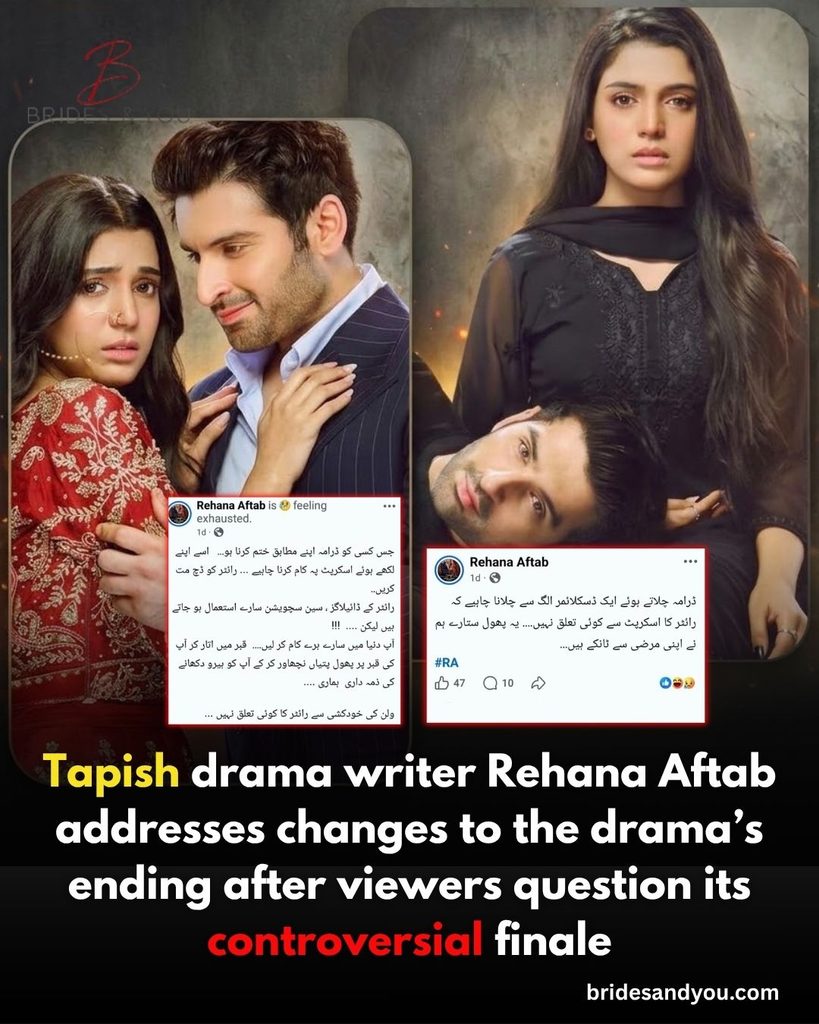
The conclusion of Tapish has become a major talking point among Pakistani drama viewers, but the discussion has now moved beyond audience reactions. Writer Rehana Aftab has publicly criticized the changes made to the drama’s ending, saying that the final version did not reflect what she had written.
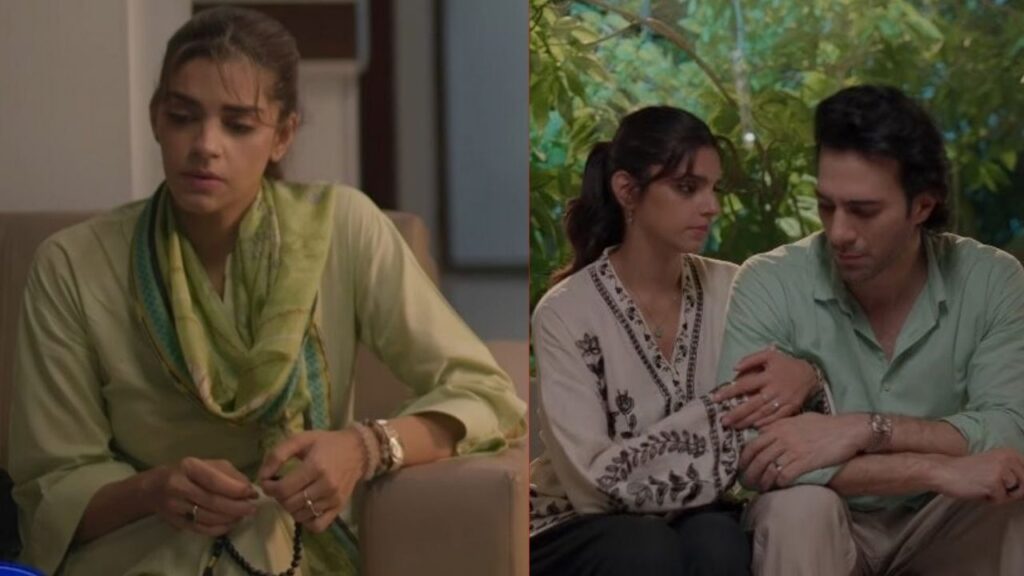
The Geo TV drama, produced by Irum Binte Shahid and directed by Ahmed Bhatti, follows Shahzar, a wealthy young man whose relationship with Shifa takes an increasingly complicated turn. Muneeb Butt plays Shahzar, while the story explores marriage, revenge, and the consequences of destructive behavior.
What Happened in the Final Episode?
The drama concluded this week with Shahzar being shot by Munim Butt. His death left Shifa and her son on their own, bringing the storyline to a tragic close.
The finale quickly became a subject of discussion on social media. Some viewers questioned the direction taken in the final episode, while others said the conclusion felt inconsistent with the story they had been following.
However, the strongest criticism came from the drama’s own writer.
Rehana Aftab Objects to Changes
Following the finale, Rehana Aftab addressed the changes publicly and questioned the decision to alter elements of the story during production.
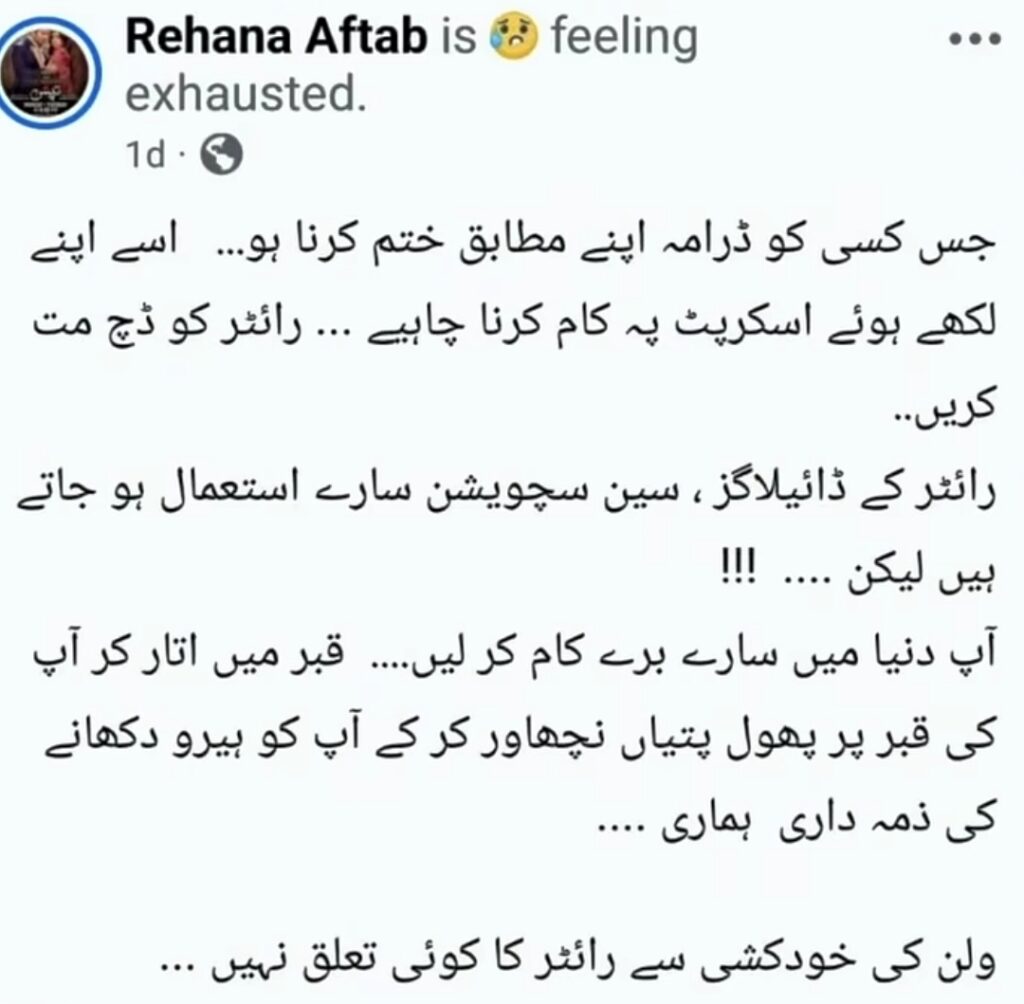
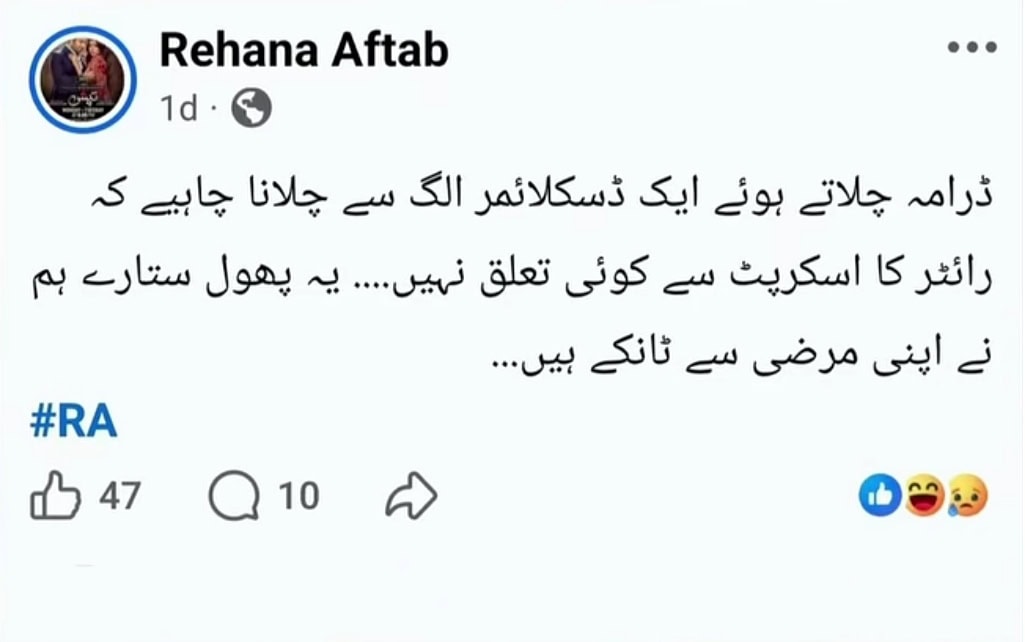
In her remarks, the writer argued that when major creative decisions are changed without following the original script, the writer’s contribution can become disconnected from the final product. She specifically objected to the way the ending portrayed the male lead and to the inclusion of a suicide involving the villain.
Aftab also stated that the suicide was not part of the script she had written.
Her comments highlighted a broader creative issue within television production: the difference between the story originally developed by a writer and the version ultimately presented on screen.
Writer Raises Questions About Creative Control
Aftab’s criticism was particularly focused on the use of her dialogues, scenes, and situations alongside changes to the overall storyline.
She argued that if producers or makers want a substantially different conclusion, they should develop their own script rather than changing a writer’s story after using elements of the original work.
Her comments have drawn attention because they came directly from the person credited with creating the drama’s written story, adding another dimension to the audience debate surrounding the finale.
Viewers Also Questioned The Finale
The ending had already generated mixed reactions online before Aftab shared her concerns.
Several viewers said they had suspected that the storyline had been altered, while others described the final episode as disappointing. Some social media discussions also focused on whether the conclusion properly reflected the development of the characters throughout the drama.
These reactions do not establish why the ending changed, but they show that the finale prompted considerable conversation among viewers.
Tapish Ends On A Divisive Note
With Tapish now concluded, the controversy surrounding its final episode has shifted the conversation from the characters and plot to the creative process behind the drama.
Rehana Aftab’s comments have also brought renewed attention to the importance of a writer’s original narrative in television production. While the drama’s ending remains a subject of debate among viewers, the writer’s public statements have made clear that she does not consider every element of the televised conclusion part of her original script.