Now Reading: Lahore’s Air Quality Crisis: Anti-Smog Guns Fail to Improve the City’s Pollution Levels
-
01
Lahore’s Air Quality Crisis: Anti-Smog Guns Fail to Improve the City’s Pollution Levels
Lahore’s Air Quality Crisis: Anti-Smog Guns Fail to Improve the City’s Pollution Levels


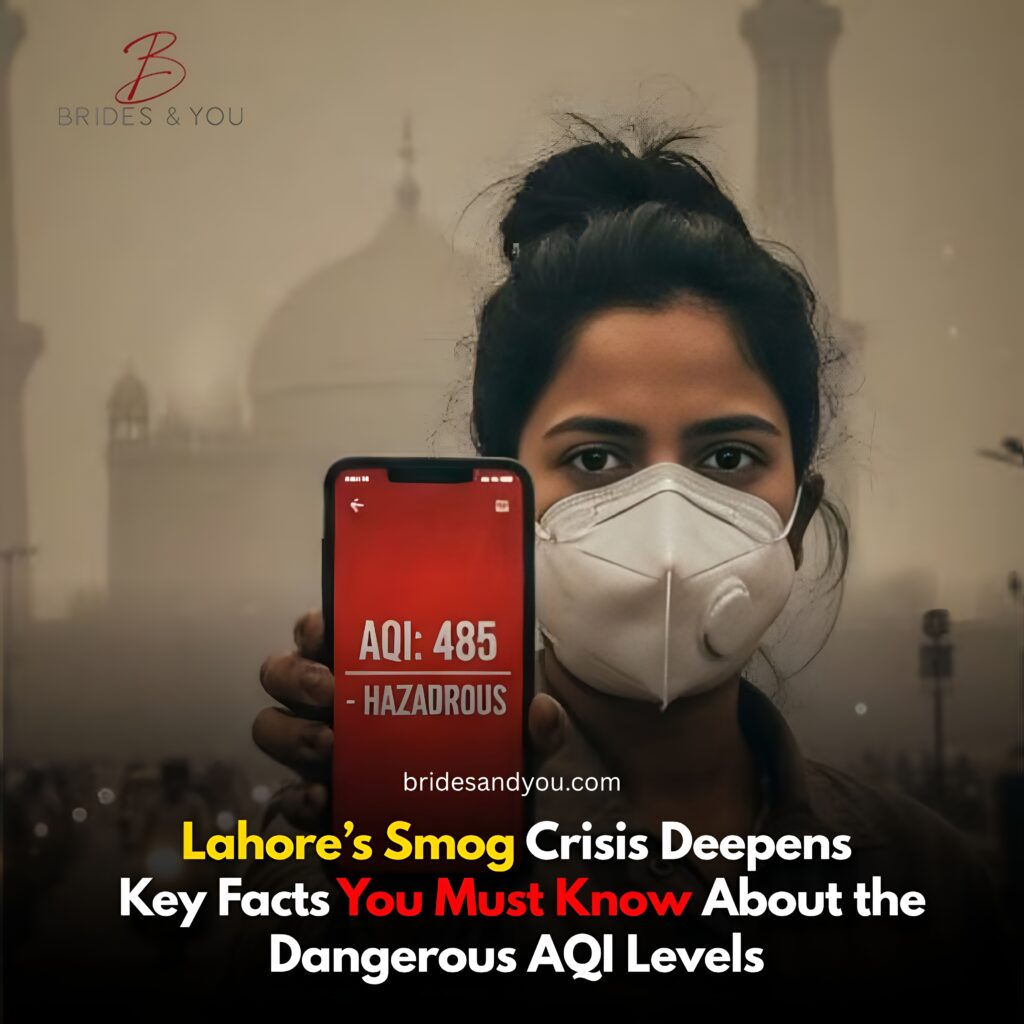
Lahore has once again made global headlines for all the wrong reasons. According to the latest data released by IQAir, the city has topped the list of the world’s most polluted cities, with an alarming Air Quality Index (AQI) of 395, which falls under the “hazardous” category. This ranking paints a grim picture of life in the provincial capital of Punjab, where clean air has become a rare luxury.

Lahore Air Quality Reaches Hazardous Levels
The latest air quality report places Kolkata, India (AQI 247) and Delhi, India (AQI 192) right behind Lahore, while Cairo (Egypt) and Kampala (Uganda) round off the top five most polluted cities. However, Lahore’s situation remains the worst, with smog so thick that visibility drops drastically and breathing becomes difficult during early mornings and late evenings.
Experts warn that the air has reached dangerously toxic levels, posing serious health risks to residents. The elderly, children, and people with respiratory conditions such as asthma or bronchitis are at particular risk.
Health Hazards Caused by Lahore’s Air Pollution
Doctors and environmental experts are urging residents to take necessary precautions. Prolonged exposure to such poor air quality can lead to respiratory infections, cardiovascular problems, lung damage, and even premature death. Many hospitals in the city have already reported an increase in patients suffering from breathing difficulties and throat infections.
Health officials recommend staying indoors as much as possible, avoiding outdoor physical activity, and using N95 masks when stepping outside. Schools have also been instructed to reduce outdoor activities, especially for younger students who are more vulnerable to polluted air.
Why Lahore’s Air Pollution Keeps Getting Worse
The reasons behind Lahore’s air pollution crisis are well-known, yet the problem continues to grow worse each year. Environmental experts attribute the city’s declining air quality to several major factors:
- Vehicle Emissions: Lahore has witnessed a massive increase in vehicles over the past decade. Many of these are outdated or poorly maintained, emitting thick smoke and harmful gases.
- Industrial Pollution: Factories located in and around Lahore often ignore emission control regulations, releasing toxic pollutants into the atmosphere.
- Crop Residue Burning: Every year, farmers in nearby regions burn leftover crop residue, releasing massive amounts of smoke that drift toward the city.
- Weather Conditions: During winter, stagnant air and low wind speeds trap pollutants near the ground, causing the city to be enveloped in smog.
Despite awareness campaigns and occasional government interventions, these problems persist due to weak enforcement of environmental laws.
Anti-Smog Guns: A Solution That Isn’t Working
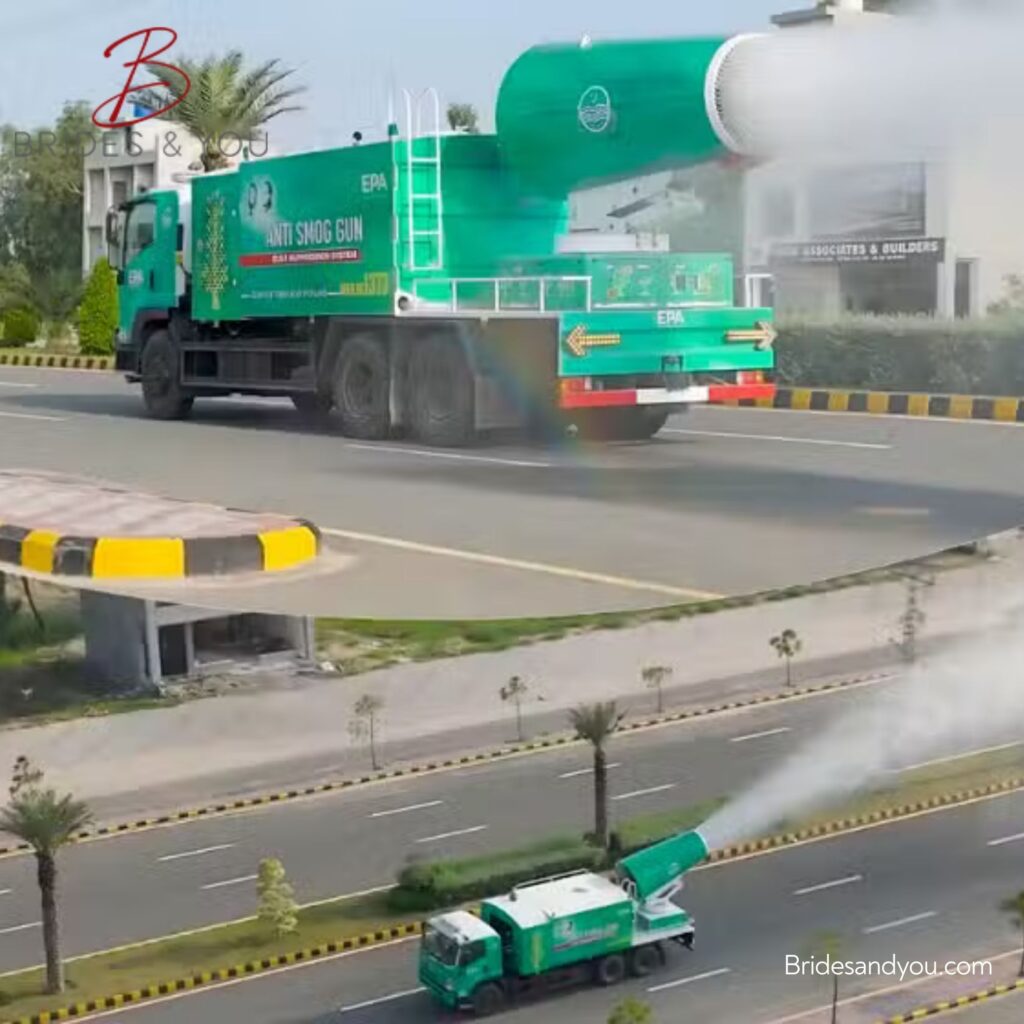
In recent years, the government introduced anti-smog guns in various parts of Lahore to reduce dust and pollutants in the air. These machines spray fine water droplets to settle particles, but their impact has been limited. Experts argue that while these devices may help temporarily in small areas, they cannot address the root causes of pollution.
Many citizens view these efforts as symbolic rather than effective. The anti-smog guns often operate for photo opportunities, but their results are rarely visible in AQI readings.
Environmental activists emphasize that Lahore needs long-term solutions, such as stricter vehicle emission standards, better urban planning, and investment in public transport systems.
Government Efforts and Public Responsibility
The Punjab government has occasionally announced “smog emergency” measures, such as closing schools, limiting factory operations, and restricting outdoor burning. However, these are usually short-term responses that fail to bring lasting change.
To truly improve Lahore’s air quality, collective action is essential. Citizens can play their part by maintaining their vehicles, reducing unnecessary travel, planting trees, and avoiding burning waste. Similarly, authorities must enforce environmental regulations more strictly and invest in cleaner technologies.
Public awareness campaigns and stronger coordination between government departments can help reduce emissions over time.
Hope for a Cleaner Future
While the situation seems severe, it is not impossible to reverse. Cities like Beijing once faced similar crises but successfully improved their air quality through consistent policies, public participation, and technological innovation. Lahore, too, can move in that direction if sustainable practices are prioritized over temporary fixes.
As residents demand cleaner air and better living conditions, the hope remains that one day, Lahore will be known not for its smog, but for its beauty, culture, and vibrant spirit.