
Now Reading: Punjab Proposes Major Changes to CNIC for Improved Emergency Response
-
01
Punjab Proposes Major Changes to CNIC for Improved Emergency Response

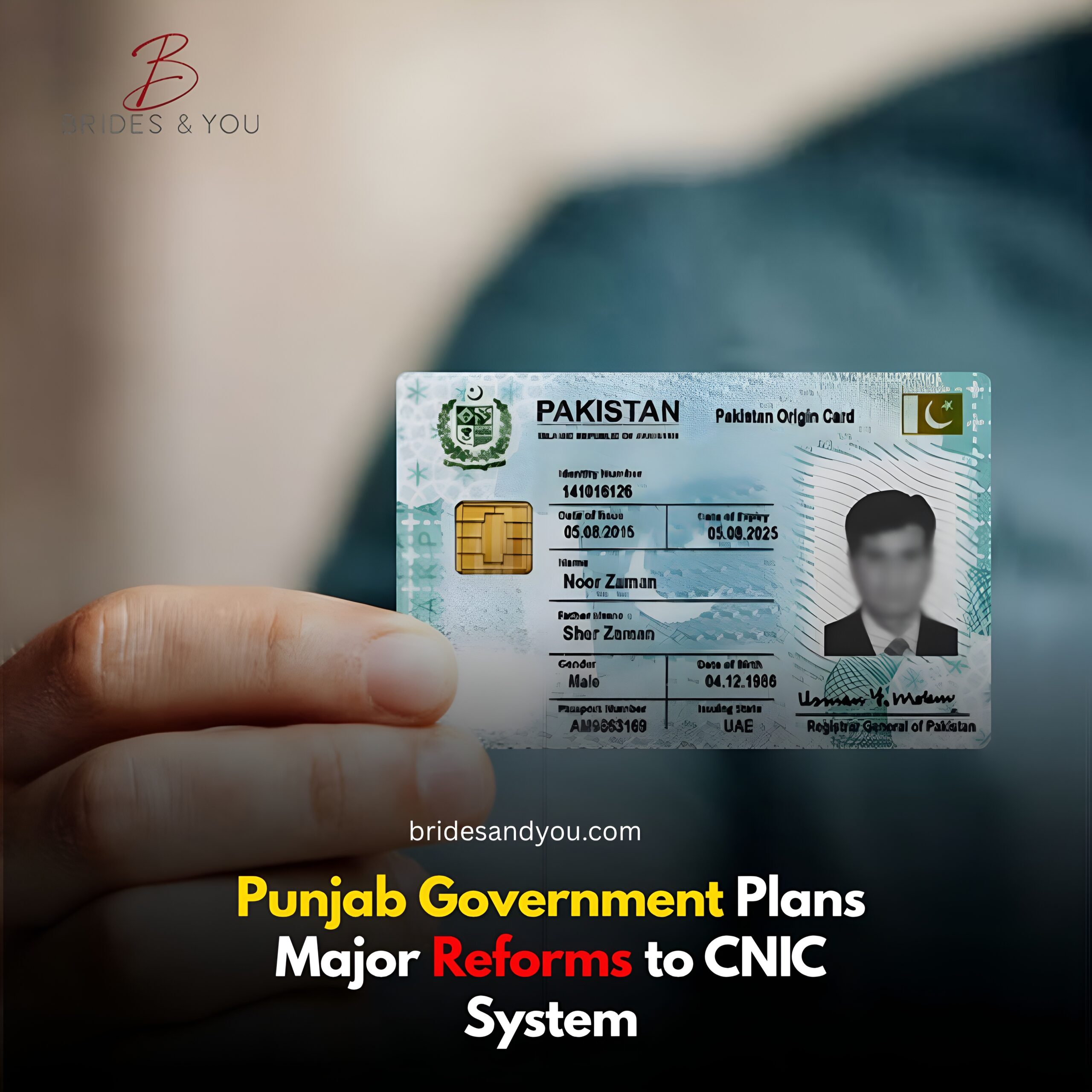
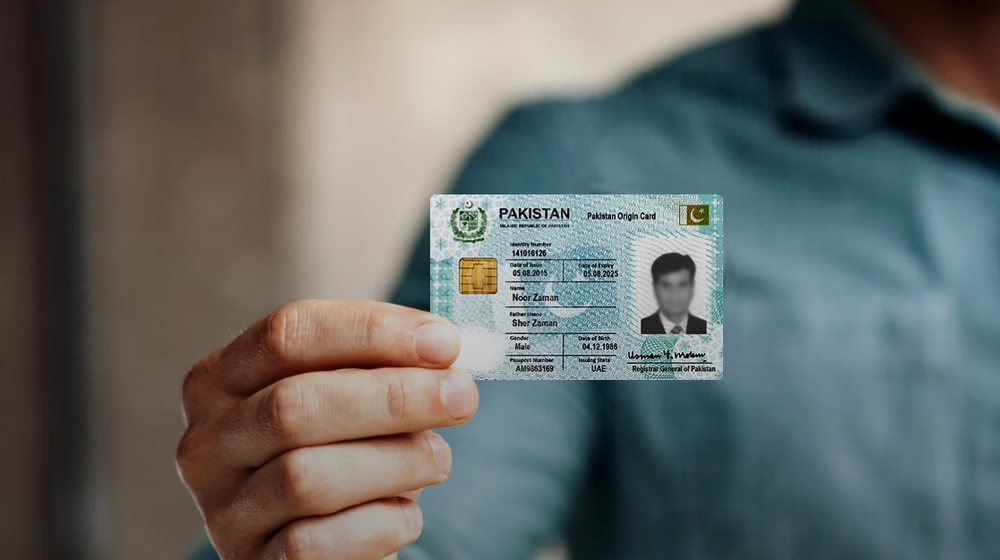
The Punjab Assembly has recently passed a groundbreaking resolution that could soon bring an important update to the Computerized National Identity Card (CNIC). This proposed change, if implemented, will make the CNIC more helpful during emergencies and potentially save many lives.
The resolution, presented by MPA Ahmad Iqbal Chaudhry, calls for the inclusion of blood group information on every citizen’s CNIC. This move is seen as a step forward in improving public safety, medical emergency response, and healthcare efficiency across Pakistan.
Why Punjab Wants to Add Blood Group Information to CNIC
During road accidents or other medical emergencies, doctors often face serious delays when the patient’s blood group is unknown. These critical minutes can make a life-or-death difference. By adding blood group details directly on the CNIC, medical teams can immediately identify the correct blood type and begin treatment without wasting time.
MPA Ahmad Iqbal Chaudhry emphasized that hospitals and blood banks frequently struggle to arrange the right blood during emergencies. He added that displaying blood group information on CNICs could save countless lives by speeding up the transfusion process.
The Role of NADRA in Implementing CNIC Changes
The National Database and Registration Authority (NADRA) is responsible for issuing CNICs to both Pakistani citizens living within the country and those residing abroad. If the Punjab Assembly’s proposal is approved, NADRA will need to update its card design and data collection system to include this new feature.
Currently, CNICs store essential personal details such as name, photograph, date of birth, and address. Adding blood group information will make the card not only an identity document but also a medical reference tool in times of crisis.
This change may also apply to the National Identity Card for Overseas Pakistanis (NICOP), ensuring that Pakistanis living abroad also benefit from this life-saving improvement.
Benefits of Adding Blood Group to CNIC
The proposed modification will offer several advantages beyond emergency care. Here are some key benefits of including blood group details on CNICs:
- Faster Emergency Response:
In accidents or disasters, rescue workers can instantly identify a person’s blood type, helping hospitals prepare for transfusions in advance. - Improved Medical Record Accuracy:
Having blood group details on official documents reduces errors and confusion during medical treatments or surgeries. - Useful for Blood Donation Campaigns:
Authorities can easily identify blood donors in times of national crises, such as earthquakes or floods. - Convenience for Citizens:
People won’t need to carry separate medical cards for basic health information like their blood group.
Challenges and Implementation
While the idea has received strong support, implementing it will require careful planning. NADRA will need to ensure data accuracy and security when updating existing CNIC records. Citizens might be asked to provide verified medical reports to confirm their blood group before it’s added to the card.
The process may also include a renewal phase, where older CNICs are replaced gradually with the updated version. To avoid confusion, NADRA could introduce online and in-person options for citizens to update their information conveniently.
Despite these challenges, the overall public response has been positive. Many people believe this initiative is long overdue and could significantly enhance Pakistan’s emergency response system.
Public and Expert Reactions
Medical experts have praised the Punjab Assembly’s proposal, calling it a “practical and life-saving” initiative. Emergency doctors point out that having blood group information readily available can shorten the time needed for treatment in critical cases.
Social media users have also welcomed the move, urging the government to implement it nationwide rather than limiting it to Punjab. Many Pakistanis have expressed that this idea should be extended to driving licenses, student ID cards, and passports as well.
Conclusion: A Step Toward a Safer Pakistan
The Punjab government’s proposal to include blood group details on CNICs marks an important milestone in Pakistan’s journey toward improved healthcare and safety. It reflects a thoughtful approach to using technology for public benefit.
If approved and successfully implemented, this small yet powerful change could save thousands of lives every year. The resolution sets a positive example for other provinces to follow, ensuring that Pakistanis at home and abroad are better protected during emergencies.
The collaboration between NADRA, healthcare institutions, and provincial authorities will be crucial in turning this vision into reality. Ultimately, the proposal represents a simple but effective way to strengthen the connection between identity, safety, and humanity.