Now Reading: Alina Amir Breaks Silence on Leaked Video Controversy, Calls Out AI Deepfake Harassment
-
01
Alina Amir Breaks Silence on Leaked Video Controversy, Calls Out AI Deepfake Harassment
Alina Amir Breaks Silence on Leaked Video Controversy, Calls Out AI Deepfake Harassment

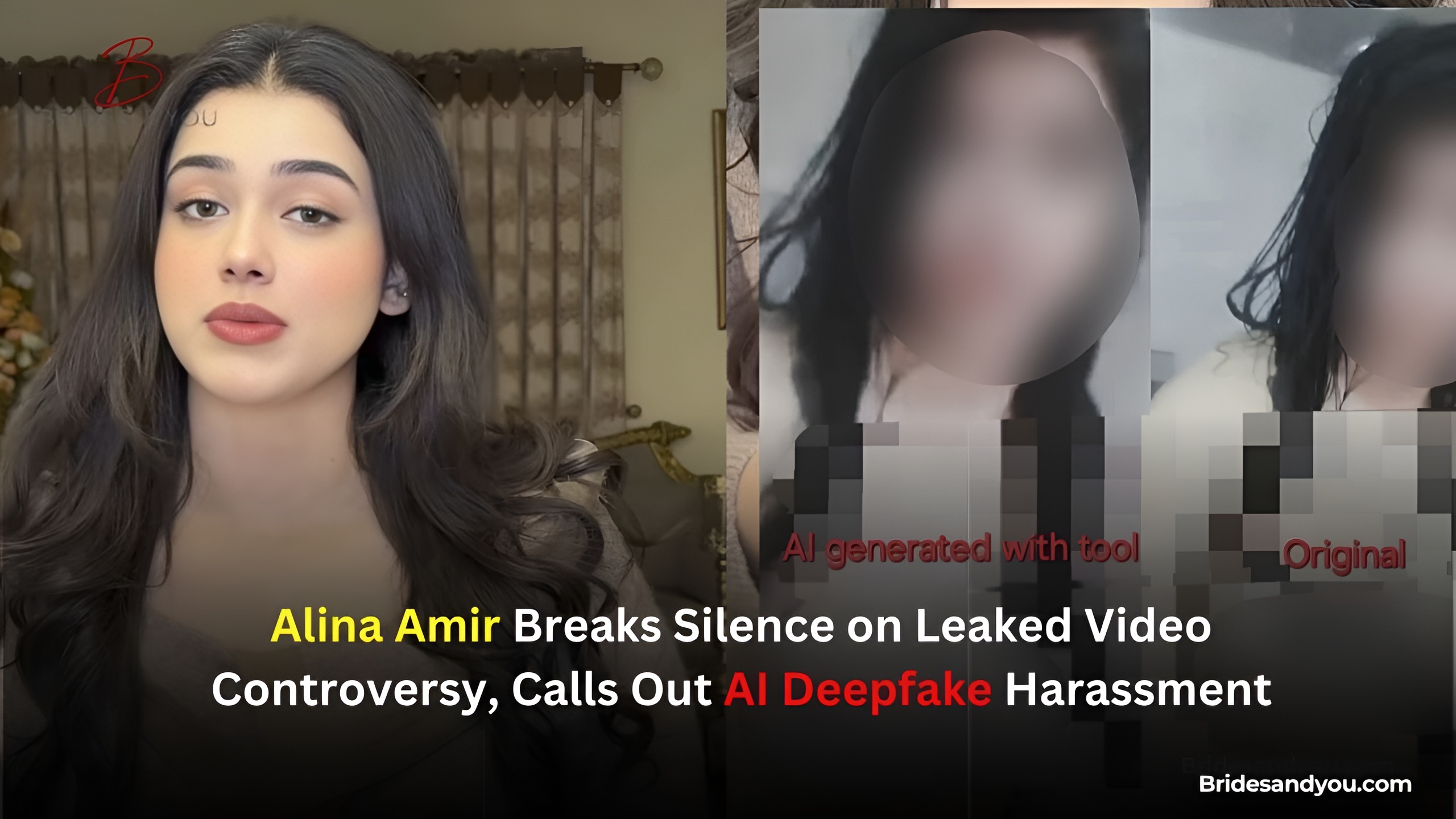
Pakistani social media influencer Alina Amir has finally addressed the controversy surrounding an alleged leaked video that circulated online earlier this week.
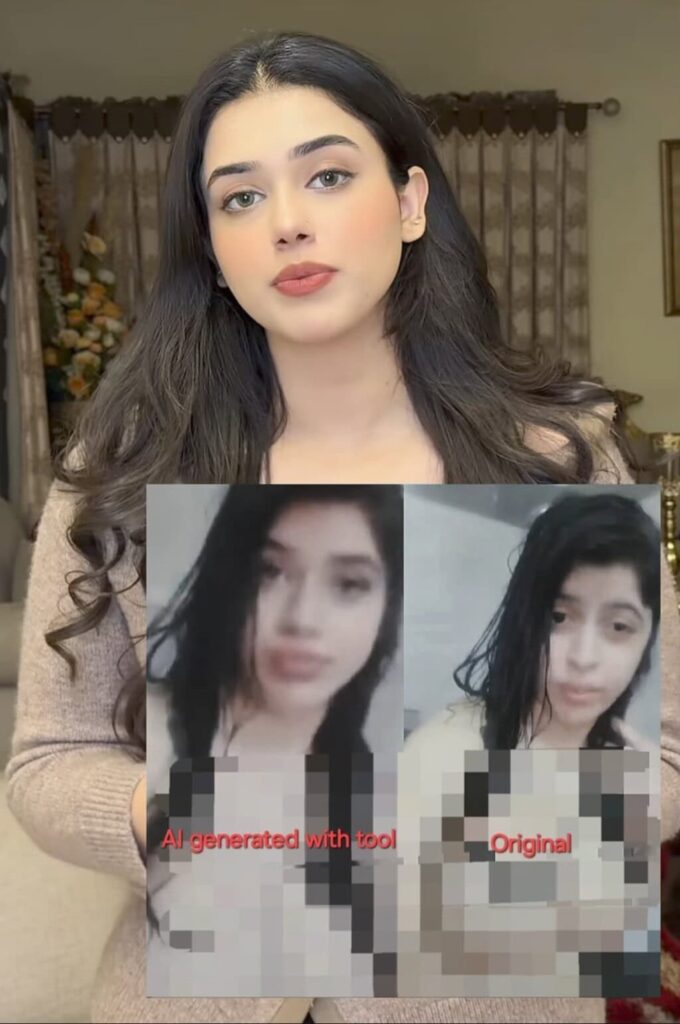
The viral clip sparked intense debate across platforms, with many users questioning its authenticity. Alina has now confirmed that the video was not real and was created using AI deepfake technology.
Her response has triggered a wider conversation about digital safety, cyber harassment, and the growing misuse of artificial intelligence against public figures.
Who Is Alina Amir and Why Is She So Popular?
Alina Amir rose to fame after recreating a popular Bollywood dialogue, “Meri body mein sensation hoti hai,” originally delivered by actress Parineeti Chopra.
The short video clip went viral on TikTok and Instagram, quickly crossing borders and attracting attention from audiences in both Pakistan and India.
Due to the overwhelming response, fans began calling her the “Sarsarahat Girl,” a nickname that stuck as her popularity grew.
Today, Alina boasts over 2.5 million followers on Instagram and nearly 2.3 million followers on TikTok. She has also started appearing at digital events and media gatherings, marking her transition from a viral creator to a recognized internet personality.
What Happened in the Leaked Video Controversy?
A few days ago, social media users began sharing an explicit video, falsely claiming it featured Alina Amir.
The clip spread rapidly, fueled by gossip pages and unverified accounts. Within hours, it became one of the most talked-about topics online, placing Alina under intense public scrutiny.
Soon after, digital experts and close sources clarified that the video was an AI-generated deepfake and not real footage of the influencer.
Despite this clarification, the damage caused by the false content had already taken an emotional toll.
Alina Amir’s Reaction to the Deepfake Video
Breaking her silence, Alina Amir shared a strong and emotional response, explaining why she initially chose not to speak publicly.
She said she tried to ignore the situation at first and did not want to give attention to negativity. However, when the video began appearing repeatedly on her own social media accounts, she felt compelled to respond.
Alina expressed shock over how easily misinformation spreads online and criticized those who share unverified content without checking facts.
She called the act harassment and reminded audiences that creating and spreading fake videos is a punishable crime.
Call for Action Against Cyber Harassment
In her statement, Alina urged authorities and relevant departments to take strict action against those involved in creating and circulating the deepfake.
She also acknowledged and appreciated the efforts of cybercrime units for responding promptly once the issue was reported.
Her message was clear: digital abuse should not be normalized, and influencers deserve the same protection as anyone else.
By speaking up, Alina highlighted the serious consequences of online harassment, especially for women in the public eye.
Public Reaction and Industry Support
Following her statement, many fellow influencers, journalists, and fans rallied behind Alina Amir.
Social media platforms were flooded with supportive comments praising her courage and honesty. Many users appreciated that she addressed the issue responsibly rather than staying silent.
Several digital rights activists also used the moment to raise awareness about AI misuse and the urgent need for stronger cyber laws.
The incident has once again exposed how vulnerable public figures are to online manipulation in the age of artificial intelligence.
Why This Issue Matters Beyond One Influencer
The Alina Amir leaked video controversy is not just about one viral star. It reflects a growing global problem where AI technology is being weaponized to damage reputations.
Deepfake videos are becoming increasingly realistic, making it harder for viewers to tell what is real and what is fake.
Experts warn that without digital literacy and strict enforcement, such incidents could become more common.
Alina’s case has become a reminder for users to verify content before sharing and to think about the real human impact behind viral posts.
Moving Forward: Alina Amir’s Message to Fans
Despite the distressing experience, Alina has reassured her followers that she remains focused on her work and personal growth.
She encouraged fans to stand against online harassment and to report fake content instead of spreading it.
Her stance has turned a difficult moment into an opportunity for awareness and dialogue.
As the influencer continues her journey, many believe her response has strengthened her credibility and earned her even more respect from the digital community.