Now Reading: Dr. Ejaz Waris Responds to Amna Ilyas’s Fiery Remarks Over Dance Performance Criticism
-
01
Dr. Ejaz Waris Responds to Amna Ilyas’s Fiery Remarks Over Dance Performance Criticism
Dr. Ejaz Waris Responds to Amna Ilyas’s Fiery Remarks Over Dance Performance Criticism


The boundary between constructive feedback and personal critique has once again ignited a fiery debate within Pakistan’s entertainment sector. Drama commentator Dr. Ejaz Waris has issued a direct response following intense pushback from actress Amna Ilyas, dismissing her recent public outcry and urging public figures to develop a thicker skin when facing unfavorable reviews.

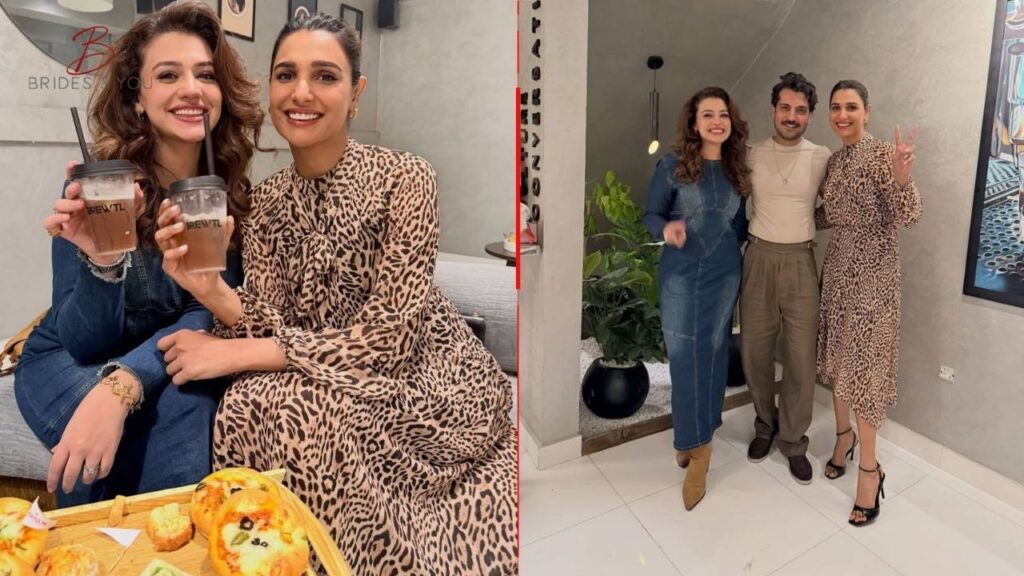
The rift began shortly after Ilyas performed a dance sequence at a high-profile awards ceremony. While the routine drew a mix of praise and backlash from viewers, a video commentary allegedly labeling the performance as “cheap” caught the model-turned-actress’s attention. In a passionate social media statement, Ilyas called out public commentary targeting women, arguing that degrading reviews fuel a larger culture of hostility, moral policing, and systemic violence against women. In her video, she held harsh critics accountable for enabling harmful societal attitudes toward female artists.
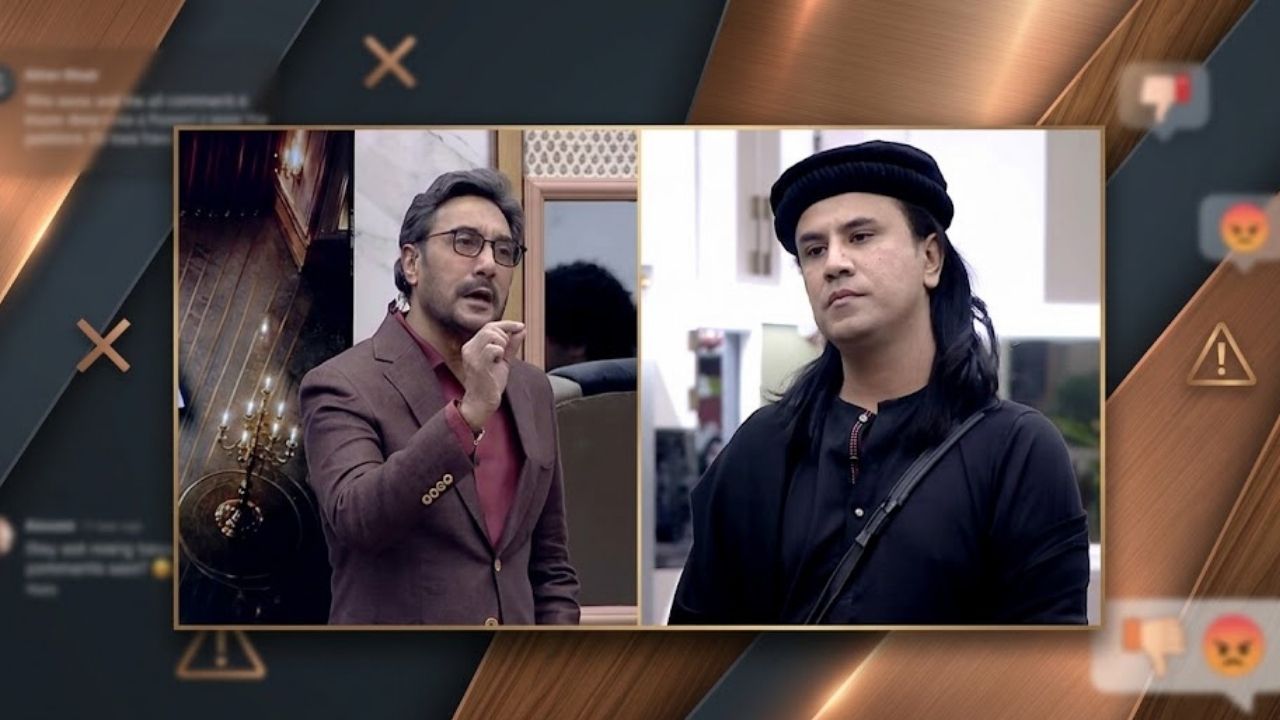
Choosing not to let the matter slide, Dr. Ejaz Waris took to his Instagram story to address the backlash without directly uttering Ilyas’s name. Waris pointed out the double standard in singling out his commentary when countless entertainment outlets and digital reviewers analyze celebrity performances daily. He questioned why his specific reviews raised such intense offense compared to the broader landscape of media critiques.
Emphasizing that reviews are meant to guide rather than destroy, Waris urged industry figures to treat feedback as an avenue for growth instead of taking it as a personal attack. He rounded off his statement by advising celebrities to refrain from using what he termed a “victim card” whenever they meet opposing views online.
This high-profile exchange has transformed a simple performance review into an ongoing industry conversation touching on artist responsibility, freedom of expression, and the line between critique and public harassment.