Now Reading: Jannat Mirza Condemns AI-Generated Video Using Her Face, Raises Concerns Over Privacy
-
01
Jannat Mirza Condemns AI-Generated Video Using Her Face, Raises Concerns Over Privacy
Jannat Mirza Condemns AI-Generated Video Using Her Face, Raises Concerns Over Privacy

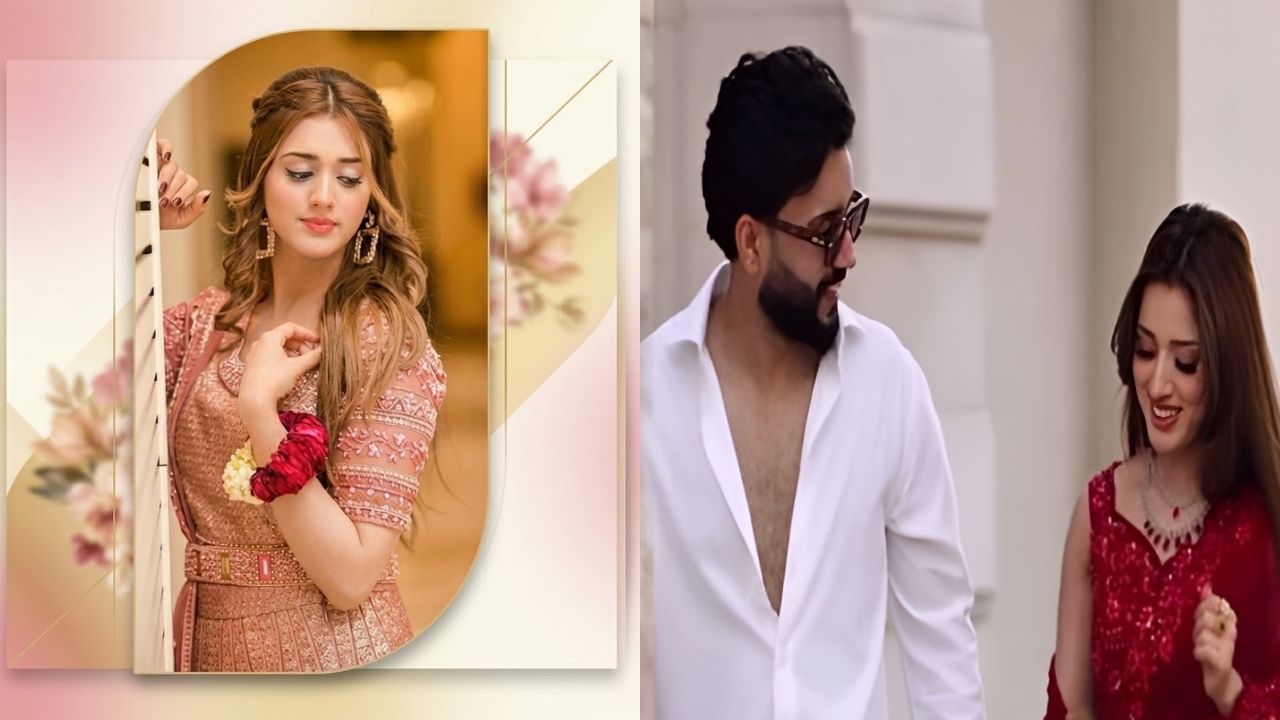
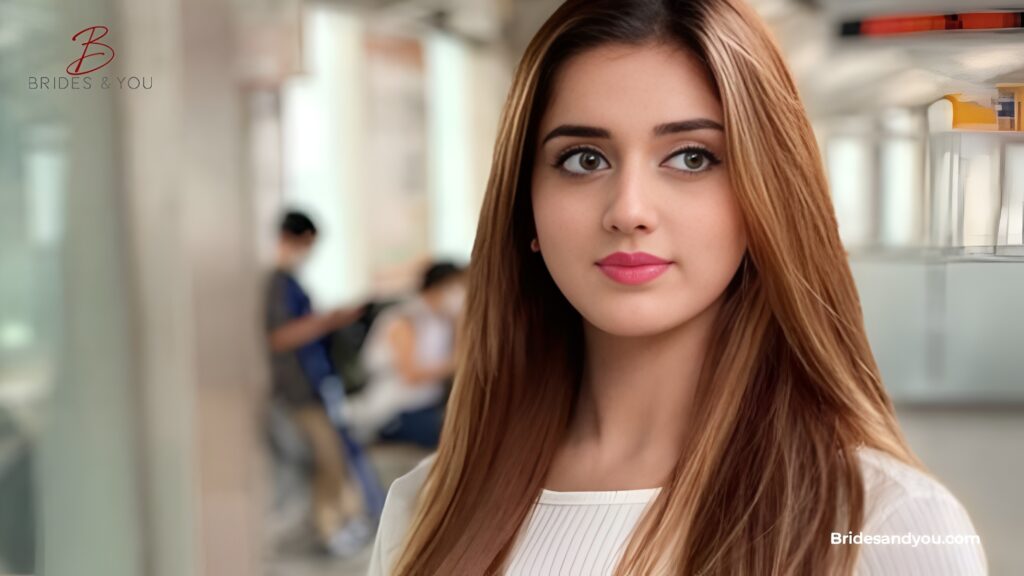
Pakistani social media personality Jannat Mirza has spoken out after an AI-generated video featuring her face circulated online, drawing attention to growing concerns over the misuse of artificial intelligence and personal images.
Rather than treating the clip as harmless online entertainment, Jannat addressed the issue directly on Instagram and made clear that the use of her likeness without permission left her deeply uncomfortable.

Jannat Mirza Responds to the Manipulated Video
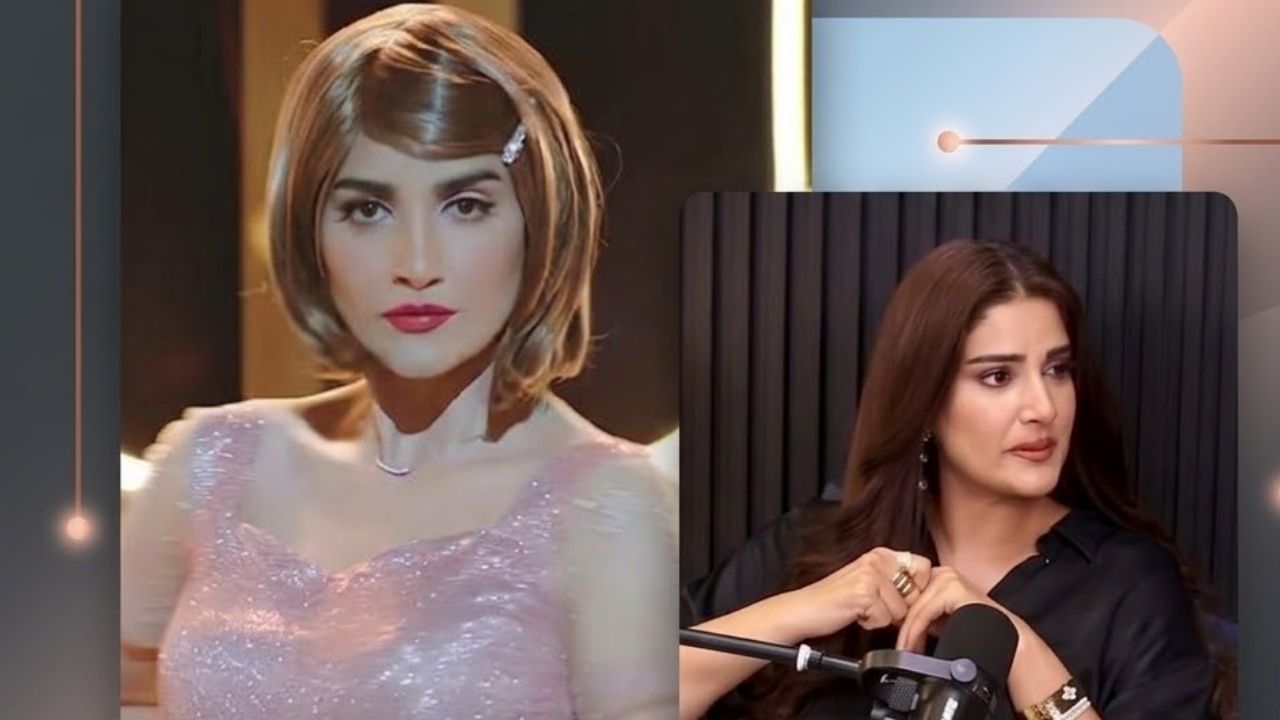
The video that appeared online used AI technology to create a realistic-looking scene featuring Jannat’s face alongside an AI-generated likeness of another creator. The clip was circulated across social media, with some users appearing to view it as a light-hearted edit.
Jannat, however, took a different view of the situation. Sharing the video herself, she stressed that content created without a person’s consent can have serious consequences, particularly when someone’s identity is manipulated into misleading or inappropriate material.
Her response also moved the conversation beyond her own experience. She pointed out that while she is highly active on social media and was able to see the manipulated content, many women may not even know when their photographs or faces are being used in similar ways.
A Wider Concern About Women’s Digital Privacy
Jannat’s comments highlight an increasingly important issue surrounding AI-generated media: the ability to alter or fabricate visual content using a person’s likeness.
She acknowledged that artificial intelligence is a powerful technology, but argued that its use becomes concerning when it is employed to create inappropriate or deceptive videos involving real people without their permission.
For Jannat, the issue is therefore not simply about one edited clip. Her remarks focused on the broader vulnerability created when publicly available photographs can potentially be repurposed without the subject’s knowledge or consent.
She also called for strict action against people who misuse another person’s face in this way.
Why Consent Matters in AI-Generated Content
AI tools have made it increasingly possible to produce realistic-looking visual material, making it harder for viewers to immediately distinguish genuine footage from manipulated content.
Jannat’s reaction brings the question of consent into that discussion. Her position is that the availability of someone’s photographs online should not be treated as permission to place their face into fabricated or inappropriate scenarios.
Her comments are particularly significant because social media personalities routinely share photographs and videos with large audiences. The same public visibility that supports their digital careers can also make their images available for misuse.
Jannat Mirza’s Message Goes Beyond Her Own Experience
One of the central points in Jannat’s response was that the problem could affect anyone, including women who have little or no social media presence.
She explained that even as someone accustomed to being active online, she felt uncomfortable when she encountered the manipulated video. Her concern was that people with less online visibility could have even less awareness of how their images might be used.
The incident has consequently placed attention on a broader digital-safety conversation: how individuals can protect their identities and dignity as AI-generated content becomes easier to produce and share.
For Jannat Mirza, the message is clear: technological capability does not remove the need for consent, responsibility, or accountability when real people’s identities are involved.