
Now Reading: Aliya Ali Defends Her Item Song, Says Viewers’ Eyes Are the Real Problem
-
01
Aliya Ali Defends Her Item Song, Says Viewers’ Eyes Are the Real Problem

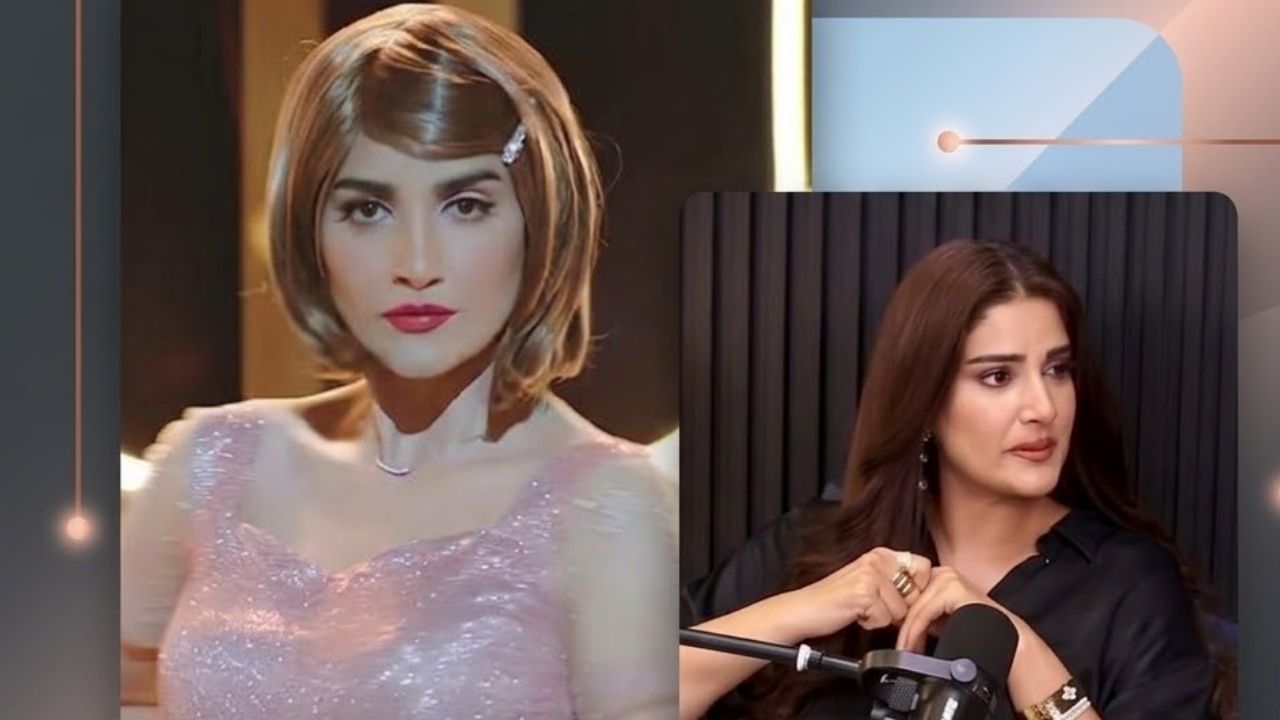
Aliya Ali has spoken candidly about the criticism surrounding one of her earlier item-song appearances, offering a direct response to those who questioned her outfit and on-screen performance.
The Pakistani actor and model, who has worked across television and film, revisited the subject during a recent interview. Her comments focused less on the clothes she wore and more on how audiences choose to interpret what they see on screen.
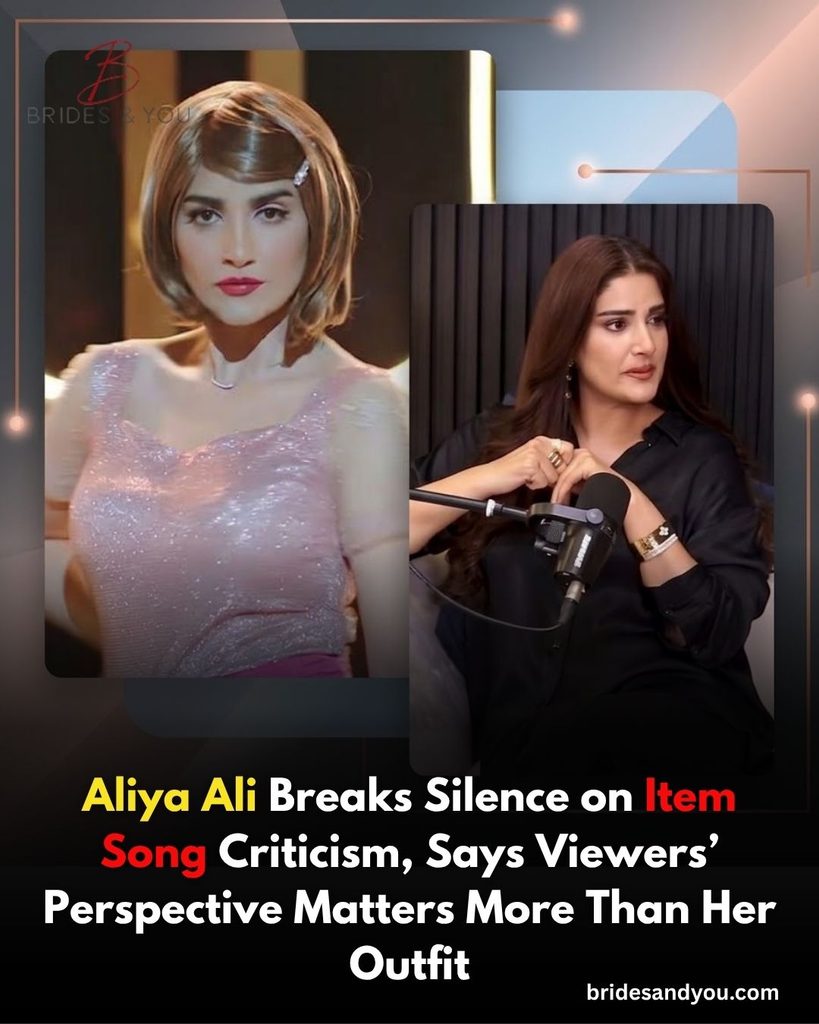
Aliya Ali Explains Her Perspective
The actress previously appeared in an item song in which she performed while wearing a shiny outfit that left part of her midriff visible. Discussing the performance, Aliya Ali maintained that she was not improperly dressed and argued that viewers’ perceptions play an important role in how such appearances are judged.
According to Aliya, she was wearing what she considered a fully covered outfit, with only her midriff exposed. Her comments suggested that the criticism should not automatically be directed at the performer or her clothing.
She went further by saying that the issue lies with the way some people look at women rather than with the performance itself. In her view, the audience’s gaze can influence how an otherwise straightforward performance is perceived.
Her Comments Trigger Online Debate
Aliya Ali’s remarks have since drawn criticism online, with some social media users questioning her reasoning.
Several reactions focused on the fact that an item song is created for public viewing and therefore naturally invites audience attention. Others challenged the actress’s decision to place responsibility on viewers while defending the outfit she wore during the performance.
The debate highlights a familiar conversation within Pakistani entertainment: how female performers are perceived when fashion, dance and screen performances overlap. While some viewers judge such appearances primarily through the lens of modesty and cultural expectations, performers may approach the same material as part of their professional work.
A Wider Conversation Around Screen Performances
Item songs have frequently generated discussion in South Asian entertainment because they combine music, choreography, fashion and visual presentation. Female artists in particular can face scrutiny over costumes and dance performances, sometimes shifting the conversation away from the artistic aspects of the production.
Aliya Ali’s latest comments have brought that discussion back into focus, this time through the actress’s own perspective on how audiences respond to what they see.
Rather than remaining limited to her previous performance, the discussion has also opened questions about responsibility: whether criticism should focus on an artist’s clothing, the creative direction of a performance, or the way viewers interpret it.
For Aliya Ali, her position is clear. She believes the way people look at a performer matters just as much as the outfit or performance being discussed.