Now Reading: Maria B Criticizes Families Who Abandon Children After Divorce and Remarriage
-
01
Maria B Criticizes Families Who Abandon Children After Divorce and Remarriage

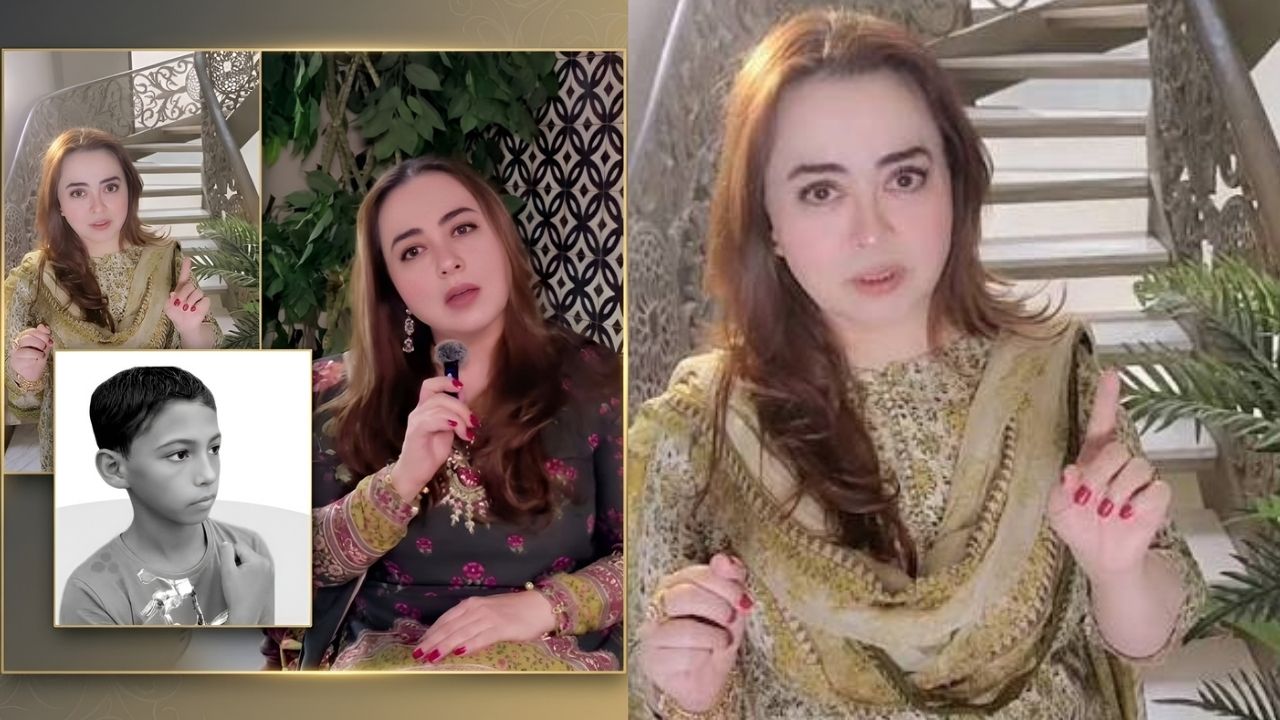
Pakistani fashion designer Maria B has sparked a conversation about child welfare and family responsibilities after sharing a video featuring children living in orphanages who said their parents were still alive but no longer cared for them.
In a video posted on Instagram on October 25, Maria highlighted the experiences of children who said their mothers left them at orphanages following their parents’ divorces. According to their accounts, their mothers subsequently remarried, while neither parent continued to visit or provide care for them.
The designer used the video to question why children are left without family support when their parents and relatives are still alive. Her remarks focused not only on mothers who leave their children behind after remarriage but also on fathers and extended family members who fail to assume responsibility.
Maria B Questions the Role of Fathers and Extended Families
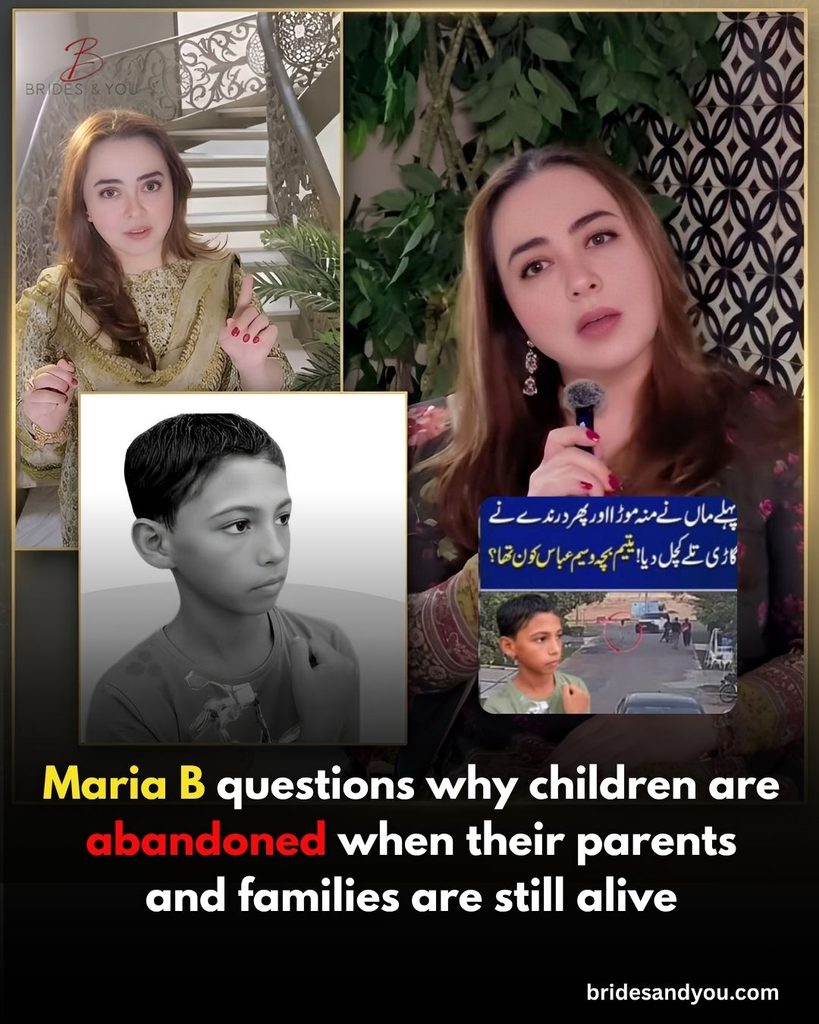
During her commentary, Maria referred to Waseem Abbas, whom she described as a child whose mother was alive despite his being regarded as an orphan. She questioned the circumstances that can lead children to grow up without parental care after a family separation.
“You all remember Waseem Abbas, right? That orphan child who was crushed. But do you know he wasn’t actually an orphan; his mother was alive?” she said.
Maria also raised concerns about the expectations placed on divorced women in some families, suggesting that they may face pressure not to take their children into a second marriage.
She challenged fathers, maternal relatives and paternal relatives to consider their responsibilities towards children following a divorce. According to her, financial support and a safe home should not fall solely on women when other family members are also capable of helping.
Maria further warned that children left without adequate care and supervision may face serious risks. She urged families to recognise their responsibility to protect vulnerable children rather than leaving them in institutions without continued involvement.
Maria B Encourages Financial Independence Among Single Mothers
Acknowledging the difficulties divorced women can face, Maria said financial independence could help single mothers support themselves and their children.
“I know or is difficult to survive for the women who are single mothers but if you don’t have any skills, how will you earn, right?” she said.
She encouraged women to develop skills, work towards financial stability and build independent lives, while also criticising families that refuse to accept responsibility for children after a separation.
Maria added that children should not be treated as a burden when a parent decides to remarry. Her message emphasised the importance of making children’s safety, emotional well-being and future a priority during major family transitions.
Social Media Users Respond to Maria B’s Message
Maria’s remarks prompted discussion among social media users, with the source report noting that several commenters supported her decision to highlight the issue. Some divorced women also shared that they had chosen not to remarry because they wanted to prioritise their children.
The conversation has brought attention to a difficult issue involving parental separation, remarriage, financial pressures and the responsibilities of extended families. While every family situation is different, the experiences described in the video raise important questions about how children can be protected from neglect when their parents separate.
Maria’s central concern was that a divorce or second marriage should never mean that a child is left without care, support or a meaningful connection to family.