Now Reading: Bridal Jewellery Trends for 2027 in Pakistan
-
01
Bridal Jewellery Trends for 2027 in Pakistan

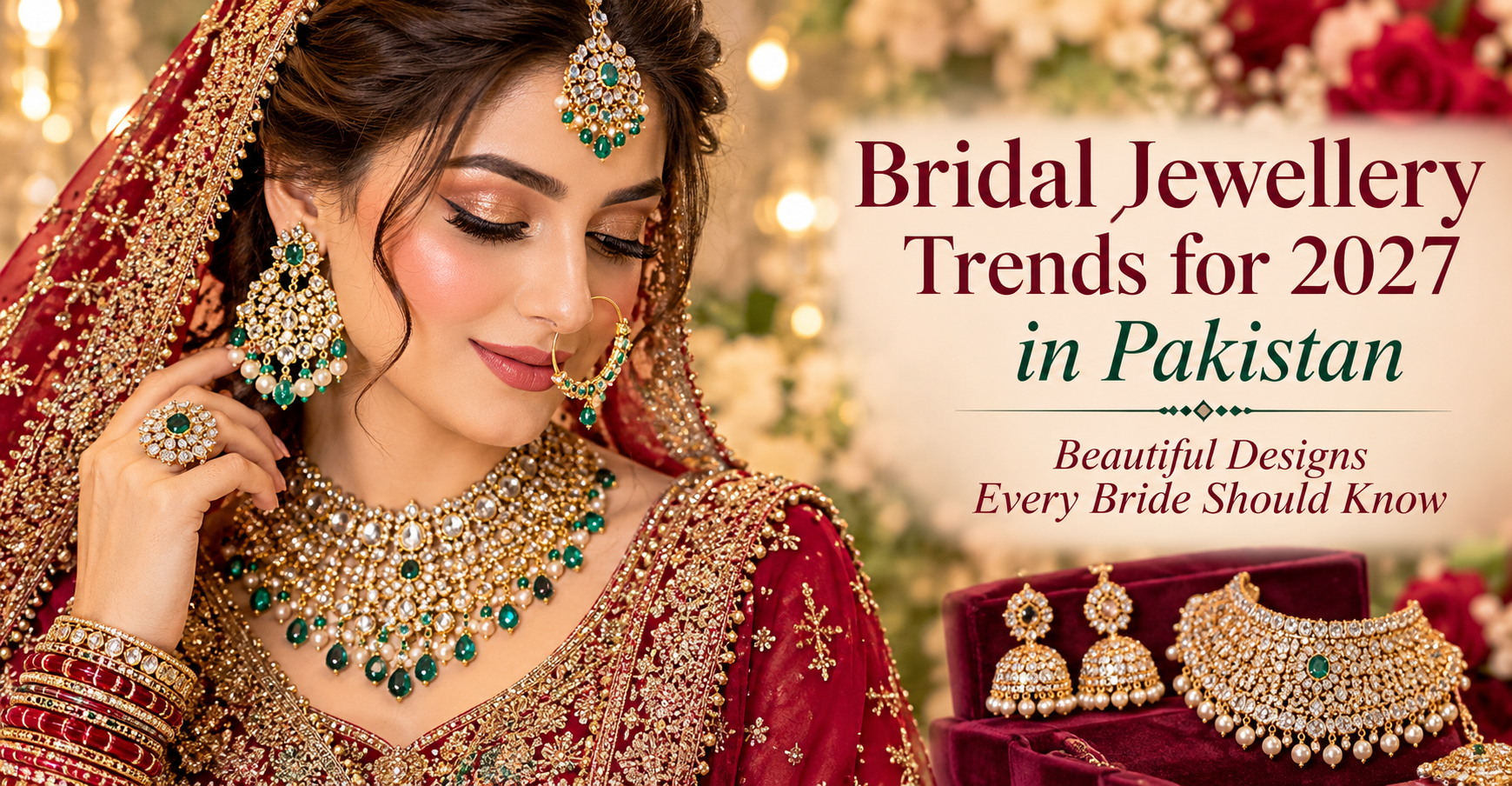
Pakistani weddings are known for their rich traditions, elaborate outfits, and beautiful bridal jewelry. From traditional gold sets and intricate Kundan necklaces to sparkling Polki earrings, colorful gemstones, and statement maang tikkas, jewelry plays an important role in completing a bride’s wedding-day appearance.
As the 2027 wedding season approaches, Pakistani bridal jewellery is expected to reflect a balance between traditional craftsmanship and contemporary styling. Classic designs remain important, but brides are also exploring lighter jewellery, personalised accessories, layered necklaces, and versatile pieces that can be worn beyond the wedding celebrations.
For brides preparing for their Nikkah, Mehndi, Barat or Walima, choosing the right jewellery involves more than following fashion trends. The colour of the outfit, embroidery, hairstyle, neckline, comfort and personal preferences all influence the final look.
This guide explores the most beautiful bridal jewellery trends for 2027 in Pakistan, with practical suggestions for traditional and modern brides, popular jewellery styles, gemstone choices and important buying advice.
1. Traditional Gold Jewellery Remains a Bridal Favourite
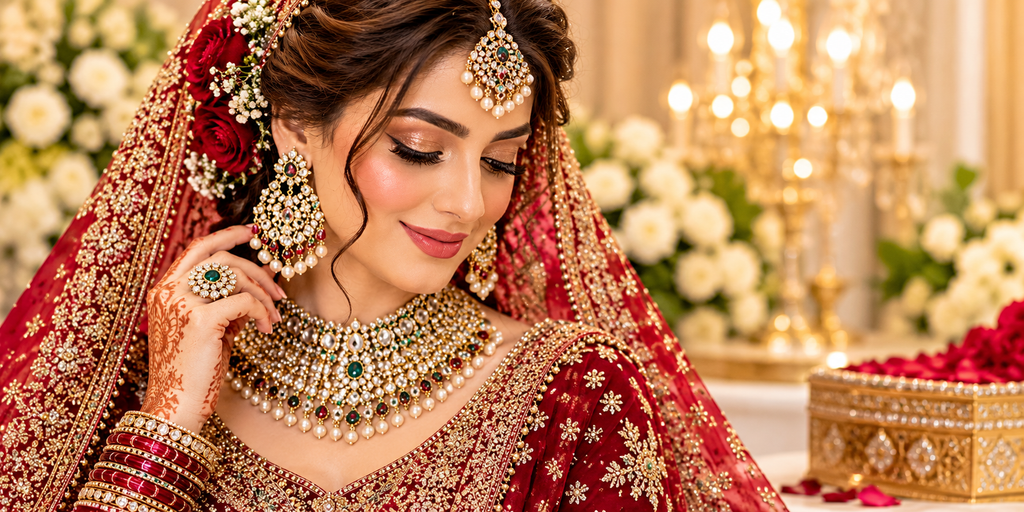
Gold jewellery has a special place in Pakistani wedding traditions. It is valued for its beauty, craftsmanship and lasting significance, making it an important choice for brides who prefer classic wedding looks.
In 2027, traditional gold jewellery is worth considering for brides who want an elegant appearance without relying entirely on contemporary designs.
Elaborate necklaces, antique-finish chokers, engraved bangles and traditional gold earrings can complement heavily embroidered bridal dresses.
Some beautiful styles to consider include:
- Intricately designed gold chokers.
- Traditional long gold necklaces and haars.
- Antique-finish earrings.
- Gold bangles with engraved details.
- Traditional gold jhumkas.
- Layered necklaces with matching pendants.
Gold jewellery looks particularly beautiful with red, maroon, rust, emerald green and ivory bridal outfits.
Styling advice: If your bridal dress features heavy gold embroidery, choose jewellery with a complementary finish. You do not necessarily need an equally elaborate necklace and earrings. A balanced combination can create a more sophisticated appearance.
2. Kundan Bridal Jewellery for a Royal Wedding Look
Kundan jewellery continues to be an important part of South Asian bridal fashion. Its intricate stone settings, traditional appearance and detailed craftsmanship make it a popular choice for Pakistani brides.
For 2027, Kundan-inspired jewellery offers plenty of possibilities for brides who want a traditional look with contemporary styling.
Instead of choosing an extremely heavy matching set, consider combining a statement Kundan choker with lighter earrings or a delicate long necklace.
Popular designs include:
- Kundan chokers with pearl detailing.
- Traditional Kundan rani haars.
- Kundan chandbali earrings.
- Floral Kundan necklaces.
- Kundan maang tikkas.
- Kundan kadas and bangles.
- Pastel stone Kundan sets.
These designs complement traditional lehengas, ghararas, shararas and heavily embroidered bridal outfits.
Styling advice: A Kundan choker with a longer necklace creates a beautiful layered appearance. If your outfit already has elaborate embroidery around the neckline, consider a smaller necklace and statement earrings instead.
3. Polki Jewellery for Elegant Pakistani Brides
Polki jewellery is another beautiful option for brides who appreciate traditional craftsmanship and heritage-inspired designs.
Polki is associated with uncut diamonds, which have a different appearance from conventional faceted diamond jewellery. Their natural-looking surfaces and traditional settings create a distinctive bridal aesthetic.
For a 2027 wedding, Polki jewellery can be considered for both traditional Barat looks and elegant reception outfits.
Popular options include:
- Polki choker necklaces.
- Long Polki haars.
- Polki chandbalis.
- Polki maang tikkas.
- Pearl and Polki combinations.
- Polki bangles and statement rings.
Polki jewellery pairs particularly well with maroon, red, ivory, champagne and antique-gold bridal outfits.
Styling advice: If you want your Polki necklace to stand out, choose relatively simple earrings. Brides who prefer a royal appearance can combine a Polki choker with a longer haar, provided the pieces have enough visual separation.
4. Emerald Green Gemstone Jewellery
Colourful gemstones are an attractive way to introduce personality into a bridal look. Emerald green is particularly worth considering because it creates a striking contrast with traditional red and gold wedding outfits.
Emerald-inspired jewellery also complements ivory, champagne, beige and pastel bridal dresses.
For 2027, brides can explore emerald combinations in both traditional and contemporary designs.
Popular choices include:
- Emerald and diamond chokers.
- Emerald-studded gold necklaces.
- Green gemstone earrings.
- Emerald drop pendants.
- Gemstone cocktail rings.
- Emerald and pearl combinations.
The shade of green can make a significant difference. Deep green stones create a rich, dramatic appearance, while lighter green stones offer a softer finish.
Styling advice: Emerald jewellery looks particularly attractive against red, cream and champagne fabrics. Consider matching the gemstone colour with small details in your outfit rather than coordinating every accessory.
How to Choose Fabrics for Your Bridal Outfit – A Simple Bridal Guide
5. Pearl Bridal Jewellery for Soft and Romantic Looks
Pearls offer a different kind of bridal elegance. Their subtle shine makes them suitable for brides who prefer delicate jewellery rather than heavily embellished designs.
Pearls can also be combined with Kundan, Polki, diamonds and gold to create more detailed bridal accessories.
Some beautiful pearl jewellery options include:
- Multi-strand pearl necklaces.
- Pearl-studded chokers.
- Pearl drop earrings.
- Pearl and diamond bracelets.
- Pearl embellishments on maang tikkas.
- Delicate pearl hair accessories.
For Pakistani brides, pearl jewellery can work particularly well with Nikkah outfits, pastel Walima dresses and contemporary bridal gowns.
Styling advice: A pearl choker with matching drop earrings can create an elegant Nikkah look. For a heavily embroidered outfit, choose smaller pearl accessories to avoid visual competition.
6. Statement Jhumkas and Chandbali Earrings
Earrings can completely change the appearance of a bridal outfit. Even when a bride chooses a relatively simple necklace, statement earrings can provide the glamour needed for the occasion.
Traditional jhumkas and chandbalis remain particularly relevant to Pakistani bridal styling because they complement both classic and contemporary outfits.
For 2027, brides can consider:
- Oversized gold jhumkas.
- Kundan chandbalis.
- Polki drop earrings.
- Pearl-embellished jhumkas.
- Emerald and ruby earrings.
- Antique-finish chandelier earrings.
Jhumkas are especially suitable for Mehndi and Barat outfits, while chandbalis can complement traditional shararas, ghararas and lehengas.
Styling advice: If you select large earrings, avoid wearing too many competing accessories. A simple necklace or no necklace at all can help create a more balanced appearance.
7. Maang Tikka, Jhoomar and Matha Patti
Forehead jewellery is one of the most recognisable elements of traditional Pakistani bridal styling.
A maang tikka adds decoration to the centre parting, while a jhoomar or passa is worn towards one side of the head. Matha pattis and related forehead ornaments offer a more elaborate alternative.
These accessories can make a bridal hairstyle look more complete, particularly when paired with a dupatta.
Beautiful styles to consider include:
- Round Kundan maang tikkas.
- Polki forehead ornaments.
- Pearl-studded matha pattis.
- Traditional gold tikkas.
- Antique-style jhoomars.
- Gemstone-studded passa designs.
Styling advice: Choose your forehead jewellery after finalising your hairstyle and dupatta placement. The accessory should remain visible without becoming uncomfortable or difficult to secure.
8. Traditional Nath Designs with Contemporary Styling
A nath is a traditional nose ornament that can give a Pakistani bridal look a distinctive appearance.
Some brides prefer elaborate nose rings with decorative chains, while others choose smaller designs that feel lighter and more comfortable.
For 2027, brides can consider several options:
- Traditional gold naths.
- Pearl-studded nose rings.
- Kundan naths.
- Delicate Polki nose rings.
- Small gemstone designs.
- Lightweight clip-on alternatives.
A traditional nath can complement a complete bridal set, particularly when the earrings and forehead jewellery share similar detailing.
Styling advice: Check the weight, fitting and chain placement before purchasing. If you are not accustomed to wearing a nose ring, try the design in advance rather than waiting until the wedding day.
9. Layered Necklaces for a Regal Bridal Appearance
Layered necklaces offer a way to create a more elaborate bridal look using individual jewellery pieces.
Instead of wearing one necklace, brides can combine a short choker, a medium-length necklace and a longer traditional haar.
This approach works particularly well with Pakistani bridal lehengas and traditional outfits featuring detailed necklines.
Consider these combinations:
- Kundan choker with a long rani haar.
- Polki necklace with a delicate gold chain.
- Gold choker with a pearl haar.
- Diamond necklace with a longer pendant.
- Traditional gemstone necklace with a second statement piece.
Styling advice: Make sure the necklaces have different lengths so that each piece remains visible. Before the wedding, try the entire combination with your actual bridal dress and dupatta.
Bridal Accessories Guide for Pakistani Brides – Complete Wedding Styling Tips
10. Lightweight Bridal Jewellery for Comfort
Heavy jewellery has traditionally been associated with elaborate wedding appearances, but not every bride wants to wear substantial accessories throughout a long ceremony.
Lightweight jewellery is a practical option for women who want traditional detailing without unnecessary weight.
It can include smaller Kundan earrings, delicate necklaces, lighter bangles and carefully selected forehead accessories.
This approach is particularly useful for Nikkah ceremonies, intimate weddings and reception events.
Why consider lightweight jewellery?
- It is easier to wear for several hours.
- It can be more comfortable during photography.
- It allows greater freedom of movement.
- Individual pieces may be easier to reuse.
- It can complement simpler bridal outfits.
Comfort should be part of the buying decision, especially when planning jewellery for multiple wedding functions.
11. Rose Gold and Mixed-Metal Jewellery
Yellow gold remains a classic choice, but brides who prefer a contemporary appearance can explore different metal colours.
Rose gold offers a warmer, softer finish, while white-gold and silver-toned jewellery can create a cooler and more modern appearance.
Mixed-metal styling is another option for brides who do not want every accessory to have exactly the same finish.
Possible combinations include:
- Rose gold with champagne gemstones.
- Yellow gold with white pearl details.
- White gold with diamonds.
- Antique gold with emerald accents.
- Mixed-metal rings and bracelets.
Styling advice: Mixing metals can look attractive when the pieces share a design element, such as similar gemstones or matching textures. Try the complete combination before making your final selection.
12. Personalised Bridal Jewellery and Family Heirlooms
Personalised jewellery adds sentimental value to a wedding-day appearance. Rather than choosing every piece exclusively for its decorative appeal, brides can incorporate accessories connected to their families and personal stories.
A family heirloom can also become a meaningful part of the wedding outfit.
Ideas include:
- Wearing a mother’s or grandmother’s necklace.
- Adding an engraved wedding-date bracelet.
- Choosing a birthstone pendant.
- Customising a ring with initials.
- Reworking an old necklace into a modern design.
- Combining inherited jewellery with newly purchased accessories.
This approach allows brides to create a look that feels personal rather than simply following seasonal fashion.
13. Minimalist Diamond Jewellery for Nikkah and Walima
Minimalist jewellery is an excellent choice for brides who prefer a refined appearance.
Instead of wearing a complete heavy jewellery set, a bride can choose a few carefully selected accessories that complement her dress.
For a Nikkah or Walima outfit, consider:
- Diamond or diamond-look stud earrings.
- A delicate necklace.
- A solitaire-style pendant.
- A slim bracelet.
- A simple gemstone ring.
- Small pearl drop earrings.
These accessories can complement pastel, ivory, silver, champagne and soft pink outfits.
Minimalist jewellery is also easier to reuse for formal dinners and other celebrations after the wedding.
14. Floral Bridal Jewellery for Mehndi and Mayun
Mehndi and Mayun celebrations offer an opportunity to experiment with colourful accessories and playful designs.
Floral jewellery is a particularly attractive option for brides who want a fresh appearance that complements traditional yellow, green and colourful outfits.
Some ideas include:
- Fresh flower earrings.
- Floral maang tikkas.
- Flower bracelets.
- Pearl and floral hair accessories.
- Colourful bangles.
- Floral hathphools.
Fresh flowers are delicate, so consider their quality, fragrance, weather conditions and preparation time. Artificial floral accessories may be more practical if you need something that lasts throughout a long celebration.
15. Bridal Chooda, Bangles and Hathphool
Wrist and hand accessories are important parts of traditional Pakistani and South Asian bridal styling.
Brides can choose from traditional glass bangles, gold bangles, Kundan kadas, bracelets and decorative hathphools.
A hathphool connects a wrist ornament to one or more rings through decorative chains, creating an attractive detail for photographs of the hands.
Popular options include:
- Traditional red and gold chooda.
- Gold bangles.
- Kundan kadas.
- Pearl bracelets.
- Gemstone-studded cuffs.
- Decorative hathphools.
- Delicate hand chains.
Styling advice: Make sure your bangles fit comfortably and do not interfere with your sleeves or mehndi. If your outfit has heavily embroidered cuffs, select wrist jewellery that does not constantly catch on the fabric.
16. Ruby and Sapphire Jewellery for Colourful Bridal Styling
Emeralds are not the only gemstones worth considering. Rubies and sapphires offer beautiful alternatives for brides who prefer stronger colours.
Ruby jewellery creates a rich red accent, while sapphire offers a deep blue contrast.
Both gemstones can be incorporated into traditional gold settings and contemporary diamond designs.
Ruby jewellery ideas:
- Ruby and diamond chokers.
- Ruby-studded earrings.
- Traditional gemstone necklaces.
- Ruby cocktail rings.
Sapphire jewellery ideas:
- Blue sapphire pendants.
- Sapphire drop earrings.
- Sapphire and diamond bracelets.
- Vintage-inspired sapphire rings.
When purchasing precious gemstones, ask whether the stones are natural, treated or laboratory-created. These differences can affect their price and should be clearly explained by the seller.
17. Vintage-Inspired Jewellery and Antique Finishes
Vintage-inspired jewellery offers brides an opportunity to wear designs that feel timeless and distinctive.
Antique gold finishes, detailed metalwork, traditional stone arrangements and heritage-inspired patterns can create a beautiful connection between old and new bridal fashion.
For Pakistani brides, this aesthetic can work particularly well with traditional embroidery, handcrafted bridal dresses and family heirlooms.
Consider:
- Antique-finish gold chokers.
- Vintage-inspired Polki necklaces.
- Traditional gemstone earrings.
- Heirloom-style bangles.
- Detailed floral rings.
- Old-style pendant necklaces.
Rather than purchasing an entirely vintage-looking set, you can combine one antique-inspired statement piece with simpler modern jewellery.
How to Choose Bridal Jewellery According to Your Wedding Dress
Following the latest bridal jewellery trends is exciting, but the most important consideration is how well your accessories complement your outfit.
Jewellery for a Red Bridal Dress
Red remains a classic choice for Pakistani Barat outfits.
Gold, Kundan, Polki and ruby jewellery can complement red bridal dresses beautifully. Emerald accents can also create an attractive contrast.
Jewellery for a Maroon Bridal Dress
Maroon outfits work particularly well with antique gold, Polki and deep-coloured gemstones.
A layered necklace or statement choker can create a traditional appearance.
Jewellery for an Ivory or White Dress
Pearls, diamonds, white-gold designs and delicate gemstone jewellery can complement lighter bridal outfits.
Jewellery for a Pastel Pink Dress
Rose gold, pearls, diamonds and soft-coloured gemstones can create a romantic appearance.
Jewellery for a Champagne or Beige Dress
Yellow gold, antique finishes and diamond jewellery are attractive options for champagne-toned outfits.
Jewellery for an Emerald Green Dress
Gold and diamond combinations can create a striking look. Emerald accessories can also work, provided the shades complement rather than compete with the outfit.
These are suggested combinations rather than strict rules. The embroidery, neckline and overall design of your dress should influence the final choice.
How to Match Jewellery with Your Bridal Hairstyle
Your hairstyle affects how much of your jewellery will be visible.
Traditional bridal bun: A bun or updo works beautifully with large jhumkas, chandbalis, maang tikkas and jhoomars.
Open hairstyles: Delicate earrings, visible necklaces and smaller forehead accessories can complement loose hair.
Centre-parted hairstyle: This is particularly suitable for maang tikkas and matha pattis.
Side-parted hairstyle: A traditional jhoomar or passa can create an attractive focal point.
If you are wearing a dupatta over your head, check that it does not cover important jewellery details.
What Jewellery Should a Pakistani Bride Wear for Each Wedding Function?
A Pakistani wedding often includes several celebrations, and each event offers an opportunity to create a different appearance. The exact traditions vary between families and regions, so brides should adapt these suggestions to their own celebrations.
Mehndi
Mehndi is an opportunity to wear colourful and playful accessories.
Consider:
- Floral jewellery.
- Colourful bangles.
- Lightweight jhumkas.
- Kundan earrings.
- Hathphool.
Mayun
For Mayun, a bride may prefer a softer and simpler appearance.
Consider:
- Fresh flower accessories.
- Yellow or gold-toned bangles.
- Small earrings.
- Delicate floral hair ornaments.
Nikkah
Nikkah styling can range from traditional to minimal, depending on the outfit and personal preference.
Consider:
- Pearl necklaces.
- Delicate diamond jewellery.
- Small Kundan sets.
- Simple maang tikkas.
- Lightweight earrings.
Barat
The Barat look is often the most elaborate bridal appearance.
Consider:
- A statement Kundan or Polki necklace.
- A long haar.
- Matching jhumkas.
- Maang tikka or jhoomar.
- Nath.
- Traditional bangles or chooda.
Walima
For Walima, brides can explore more contemporary combinations.
Consider:
- Diamond or Polki jewellery.
- Elegant drop earrings.
- A refined necklace.
- A delicate bracelet.
- Minimal forehead accessories.
Complete Bridal Jewellery Buying Guide for Pakistan
Bridal jewellery can represent a significant expense, particularly when purchasing real gold, diamonds and precious gemstones. A little research before shopping can help you make better decisions.
1. Decide Between Real and Artificial Jewellery
Real jewellery can be an investment and may carry long-term sentimental value. Artificial jewellery offers more flexibility for brides who want elaborate designs without purchasing every piece in precious metals.
You can also combine both.
For example, wear a family gold necklace as the main accessory and complete the look with an artificial Kundan or Polki-inspired set.
2. Understand Gold Purity
Gold purity is measured in karats, with 24-karat gold representing pure gold.
Common gold purities include:
| Gold purity | Approximate gold content |
|---|---|
| 24K | 99.9% |
| 22K | 91.7% |
| 21K | 87.5% |
| 18K | 75% |
| 14K | 58.3% |
Higher-purity gold contains a greater proportion of gold, but the appropriate choice also depends on the design, durability and intended use.
Ask the jeweller for the stated purity, actual gold weight, making charges and written purchase details. Where available, request independent testing or recognised hallmark documentation.
3. Understand the Four Cs of Diamonds
If you are purchasing diamond jewellery, learn about the four Cs:
- Cut: Refers to the diamond’s proportions and how effectively it interacts with light.
- Colour: Describes the degree of colour in the diamond.
- Clarity: Evaluates internal inclusions and external blemishes.
- Carat: Measures the diamond’s weight, not its physical size.
Ask for an appropriate grading report for significant purchases. The Gemological Institute of America (GIA) provides detailed information about diamond grading and the four Cs.
4. Ask About Gemstone Authenticity
Do not assume that every green, red or blue stone is a natural emerald, ruby or sapphire.
Ask the seller whether a gemstone is natural, synthetic or treated. Request documentation where appropriate and make sure the description on your receipt matches what you are purchasing.
5. Compare Prices Before Buying
Visit more than one jeweller before making an expensive purchase.
Compare:
- Gold weight and purity.
- Gemstone quality.
- Diamond grading.
- Making charges.
- Design and craftsmanship.
- Return and exchange policies.
- Repair and maintenance services.
For artificial jewellery, also check the quality of the base metal, stone settings, fastening and finishing.
6. Plan Your Jewellery Budget
Rather than spending your entire budget on one bridal set, divide it according to the wedding functions.
For example, prioritise your main wedding jewellery, then allocate separate amounts for Mehndi, Nikkah and Walima accessories.
This approach can help you create different looks without purchasing unnecessarily expensive pieces for every event.
Practical Tips for Wearing and Caring for Bridal Jewellery
Beautiful jewellery deserves proper care, particularly when it includes valuable metals and gemstones.
Follow these recommendations:
- Store necklaces, earrings and bangles separately to avoid scratches and tangling.
- Keep jewellery away from perfume, hairspray and harsh chemicals.
- Put jewellery on after applying makeup and fragrance.
- Check necklace clasps and earring fastenings before each event.
- Store pearls separately and protect them from cosmetics and chemicals.
- Have valuable pieces inspected for loose stones and damaged settings.
- Keep purchase receipts, certificates and insurance records safely.
- Follow the jeweller’s cleaning instructions for each material.
For expensive pieces, professional cleaning is preferable to using unverified household cleaning methods.
Frequently Asked Questions About Bridal Jewellery Trends for 2027 in Pakistan
What are the most beautiful bridal jewellery trends for 2027 in Pakistan?
Traditional Kundan and Polki sets, statement gold necklaces, emerald gemstone jewellery, pearls, layered haars, jhumkas and personalised accessories are all attractive options for Pakistani brides. These are style directions to watch rather than confirmed market-wide rankings.
Is Kundan jewellery still suitable for Pakistani brides in 2027?
Yes. Kundan jewellery remains a strong traditional choice because it complements Pakistani bridal outfits and can be styled in both elaborate and relatively lightweight designs.
Which jewellery is best for a red Pakistani bridal dress?
Gold, Kundan, Polki and ruby jewellery are classic choices. Emerald accents can also provide a beautiful contrast against red fabric.
Should a Pakistani bride choose real gold or artificial jewellery?
The decision depends on budget, personal preference and intended use. Real gold may offer long-term value as a precious-metal purchase, while artificial jewellery allows brides to experiment with different styles at a lower initial cost.
Which jewellery is best for a Walima outfit?
Pearls, diamonds, Polki and delicate gemstone designs can complement contemporary Walima outfits, particularly in pastel, ivory and champagne shades.
How many jewellery sets does a bride need?
There is no fixed requirement. A bride can use one versatile set across several events or choose different accessories for Mehndi, Nikkah, Barat and Walima.
How can a bride make heavy jewellery more comfortable?
Choose well-balanced earrings, check necklace weight and fastening, and try the complete jewellery combination before the wedding. Avoid wearing unfamiliar or particularly heavy accessories for the first time on the wedding day.
Final Thoughts
The bridal jewellery trends for 2027 in Pakistan offer plenty of inspiration for women preparing for their wedding celebrations. Traditional gold, Kundan and Polki remain beautiful choices, while pearls, colourful gemstones, minimalist designs and personalised accessories provide opportunities for a more individual appearance.
The best bridal jewellery is not necessarily the most expensive or elaborate. It is the jewellery that complements the outfit, feels comfortable throughout the celebration and reflects the bride’s personal style.
Whether you prefer a traditional royal Barat look, a delicate Nikkah ensemble or a contemporary Walima appearance, thoughtful jewellery choices can make every wedding outfit more memorable.
Choose pieces that you will enjoy wearing, take care when purchasing valuable jewellery and give equal importance to comfort and craftsmanship. A beautiful bridal look should feel just as special as it looks.