Now Reading: Punjab’s Traditional Wedding Songs Fade as DJs Transform Celebrations
-
01
Punjab’s Traditional Wedding Songs Fade as DJs Transform Celebrations
Punjab’s Traditional Wedding Songs Fade as DJs Transform Celebrations

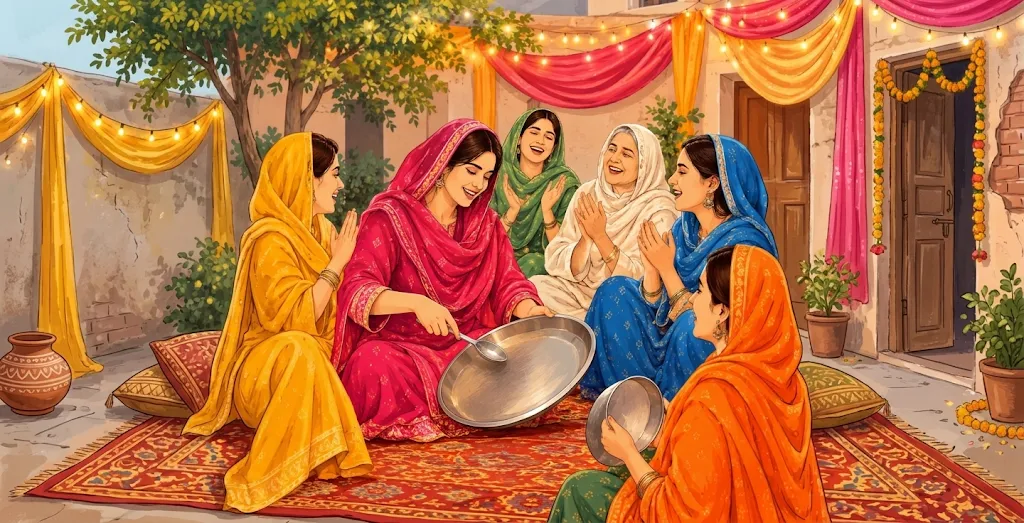
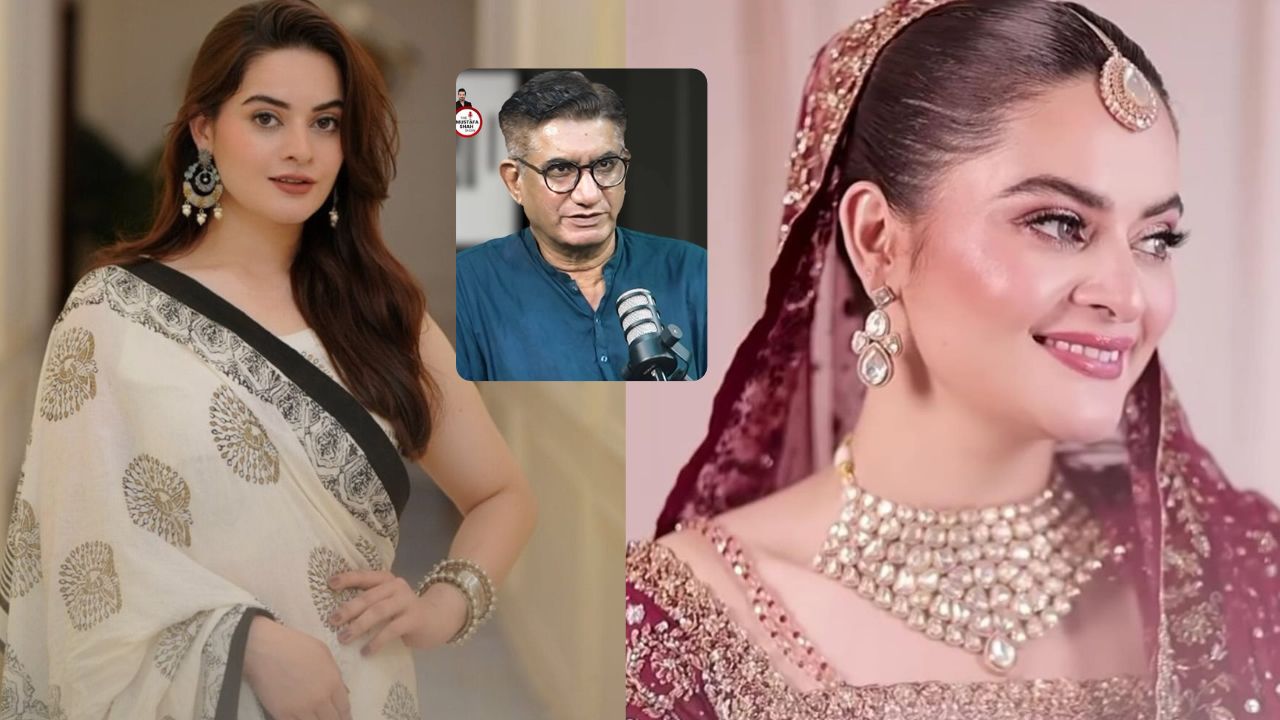
Before DJs, elaborate sound systems, and professionally organized mehndi nights became part of wedding celebrations, Punjabi households had their own unique way of making music. A metal tray, a few spoons, rhythmic clapping, and the lively voices of women were once enough to turn an ordinary courtyard into a festive gathering.
Today, those simple musical evenings are gradually disappearing, replaced by modern wedding entertainment and increasingly elaborate celebrations. The change reflects evolving lifestyles, but it also raises questions about the future of Punjab’s traditional wedding music and cultural heritage.
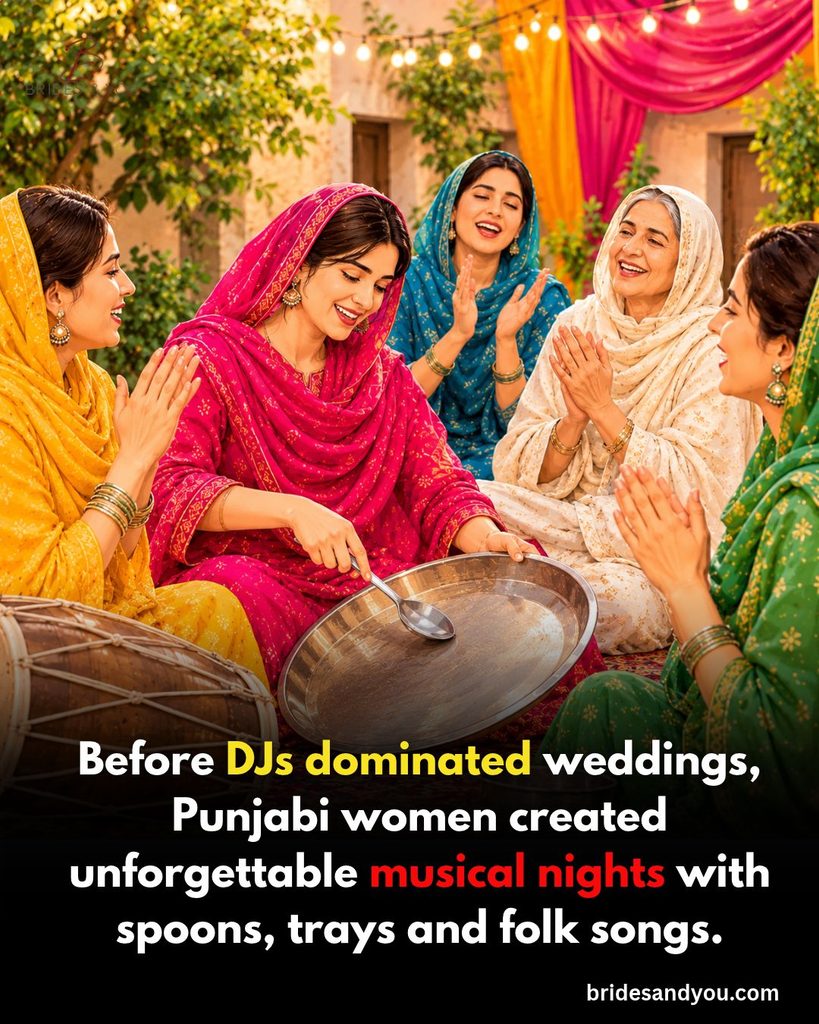
When kitchen utensils became musical instruments
In traditional Punjabi households, wedding celebrations often began four or five days before the main ceremony. Women from the family and neighboring homes would gather in courtyards or spacious rooms, creating an atmosphere filled with folk songs, laughter, and spontaneous musical performances.
At the center of these gatherings was the parat, a large, shallow metal vessel traditionally used for kneading dough. Women would strike it with spoons or ladles to produce rhythmic metallic beats, while others accompanied the music with clapping and singing.
These informal gatherings required neither professional musicians nor expensive equipment. Instead, the women themselves created the entertainment, taking turns leading songs and encouraging everyone to participate.
Folk songs that celebrated love, family, and emotions
Traditional musical gatherings featured several forms of Punjabi folk singing, including suhag, boliyan, and tappay. Their lyrics reflected different aspects of wedding life, from the excitement of a new beginning to the emotional experience of a bride leaving her parental home.
According to housewife Madeeha Bibi, these performances often continued late into the night, bringing families together through music and improvised percussion.
Humour was equally important. Women exchanged playful verses about relationships between mothers-in-law, daughters-in-law, and sisters-in-law, turning familiar family situations into entertaining musical moments.
Beyond celebrating the bride and groom, these songs captured childhood memories, parental affection, and the emotional bonds that shaped family life.
More than music: A space for women and generations
These gatherings also offered women an opportunity to reconnect with relatives and neighbors, share experiences, and take a break from their everyday responsibilities.
Elderly Vehari resident Sakeena Bibi highlighted the social importance of these occasions, explaining that they allowed women to enjoy meaningful interaction within their communities.
They also played a significant role in preserving cultural knowledge. Older women passed traditional songs and melodies to younger generations, keeping an oral tradition alive through family gatherings.
Meanwhile, wedding preparations continued around the music. Some women stitched bridal clothes, decorated dupattas, and arranged wedding accessories, while others helped with household responsibilities. Music, work, and family bonding naturally became part of the same celebration.
Why traditional wedding gatherings are disappearing
Changing lifestyles have significantly transformed the way Pakistani families celebrate weddings. Informal musical evenings that once extended across several days are increasingly being replaced by organized mehndi functions, DJs, recorded music, and professional entertainment.
Event planner Hashir identified several reasons behind the decline, including the weakening of the joint family system, smaller residential spaces, busy routines, changing social preferences, and the commercialization of weddings.
He also noted that the tradition has not disappeared completely. Dholki gatherings continue in some households, although they are increasingly incorporated into formal mehndi celebrations rather than organised as spontaneous family occasions.
Preserving Punjab’s musical heritage
Rahib Hussain, a producer at a local radio station, emphasized that traditional wedding songs and women’s musical gatherings represent an important part of Punjab’s intangible cultural heritage.
These practices, he explained, reflected family relationships, social values, emotions, and women’s everyday experiences rather than serving as entertainment alone.
Preserving this heritage requires documenting traditional songs, recording the memories of elderly women, and introducing younger generations to the cultural significance of these customs.
Modern wedding celebrations do not necessarily have to abandon traditional practices. Dholki nights, folk performances and informal family singing can continue alongside contemporary entertainment.
As DJs and elaborate musical arrangements become increasingly common at Pakistani weddings, the memory of women gathering around a metal parat remains a reminder of a different kind of celebration.
Sometimes, all it took to fill a home with happiness was a spoon, a metal tray, a familiar folk melody and a group of women singing together.