
Now Reading: Sharmila Faruqui Karachi Paris Comparison Sparks Massive Backlash Across Social Media Platforms
-
01
Sharmila Faruqui Karachi Paris Comparison Sparks Massive Backlash Across Social Media Platforms
Sharmila Faruqui Karachi Paris Comparison Sparks Massive Backlash Across Social Media Platforms

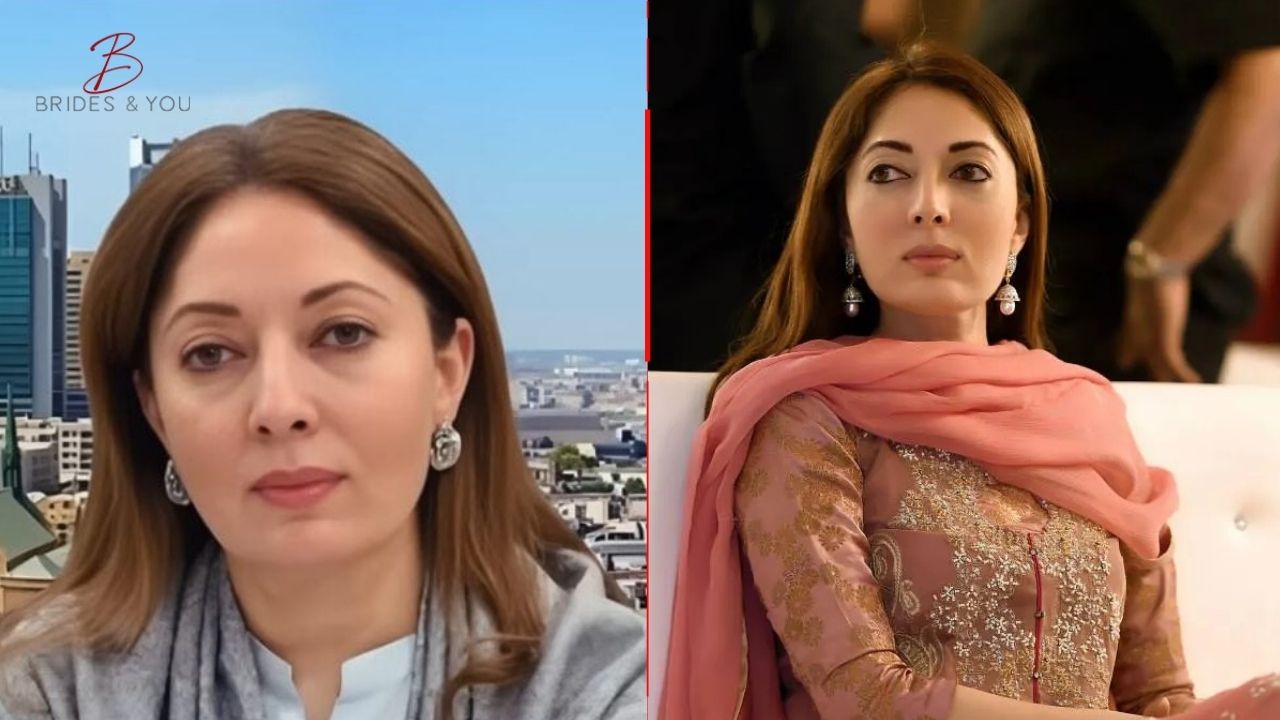
The Sharmila Faruqui Karachi Paris Comparison has taken social media by storm, igniting heated debates across Pakistan. A recent TV appearance turned into a viral moment, putting the politician under intense public scrutiny.
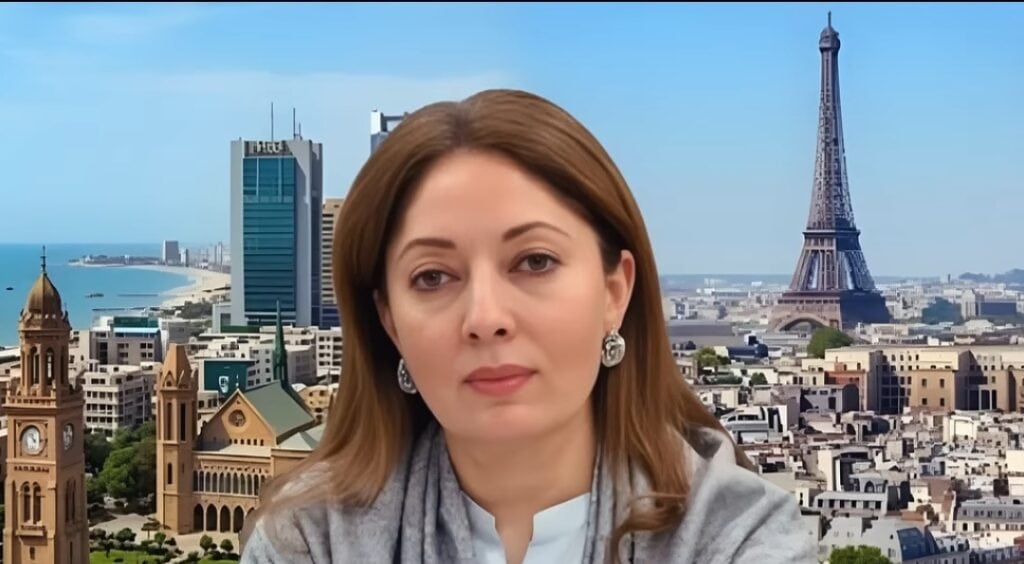
During a talk show conversation, Sharmila Faruqui described life in Karachi in a way that many viewers found surprising. Her comparison of the bustling metropolis to Paris quickly grabbed attention. However, instead of praise, the statement triggered widespread criticism online.
Public Reaction Turns Harsh
Soon after the clip circulated, social media users reacted strongly. Many questioned the accuracy of the comparison. Others expressed frustration, highlighting the everyday challenges faced by Karachi residents.
Some users pointed out issues like infrastructure, traffic congestion, and public services. Meanwhile, others used humor and sarcasm to respond. Memes and witty comments flooded timelines within hours.
As a result, the statement became a trending topic. It also opened up a broader discussion about how public figures portray major cities.
Why The Statement Sparked Debate
Karachi remains Pakistan’s largest city and economic hub. However, it also struggles with urban challenges. Therefore, comparing it to a global city like Paris felt unrealistic to many.
Moreover, critics argued that such statements can disconnect leaders from public realities. On the other hand, some supporters defended Faruqui. They believed her comment reflected a sense of national pride rather than a literal comparison.
The Power Of Viral Moments
In today’s digital age, even a single remark can spark nationwide debate. The Sharmila Faruqui Karachi Paris Comparison proves how quickly narratives can shift online.
Furthermore, viral moments often highlight the gap between perception and reality. Public figures now face greater accountability, as audiences analyze every word closely.
Final Thoughts
While the controversy continues, it has undeniably captured public attention. Whether seen as optimism or disconnect, the statement has fueled important conversations about Karachi’s image.
Ultimately, such moments remind us of the influence of words in shaping public opinion. And in the era of social media, every statement carries weight far beyond the screen.