Now Reading: Fiza Ali Labour Day Controversy Sparks Debate Over Celebrity Content Ethics Online
-
01
Fiza Ali Labour Day Controversy Sparks Debate Over Celebrity Content Ethics Online
Fiza Ali Labour Day Controversy Sparks Debate Over Celebrity Content Ethics Online

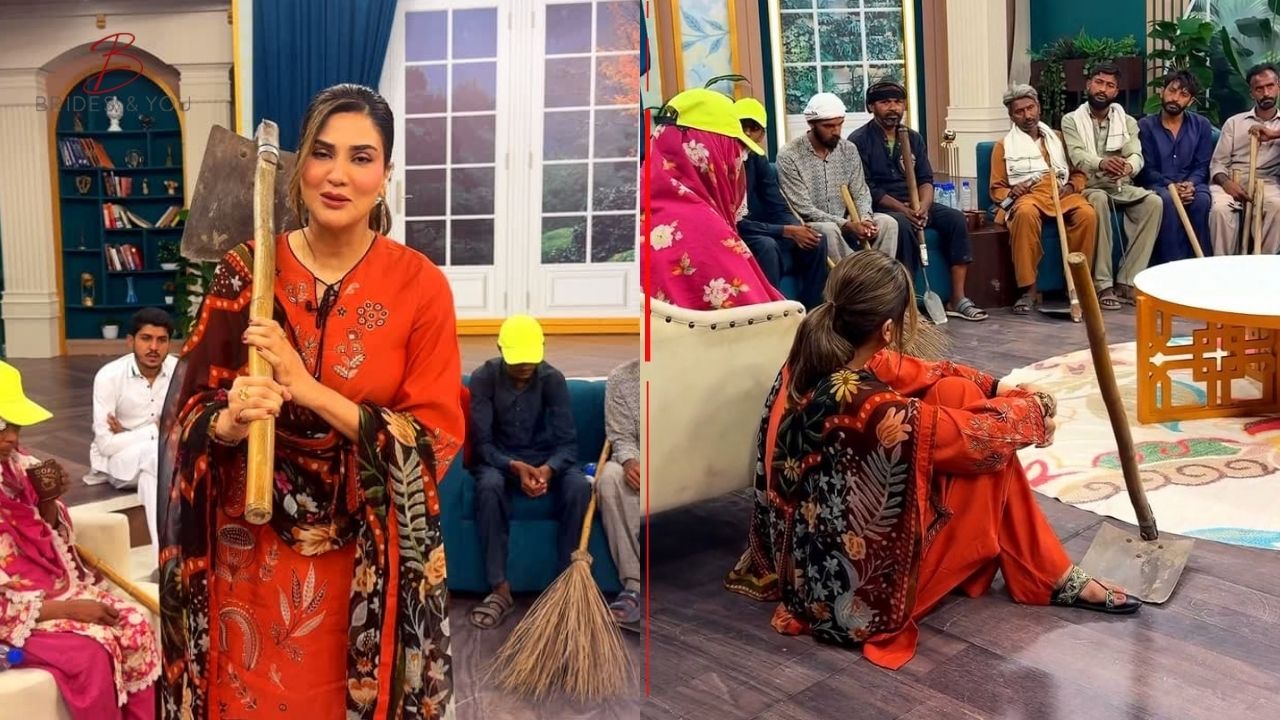
The Fiza Ali controversy has once again put the spotlight on how celebrities engage with sensitive social themes. This time, the debate erupted after her Labour Day video went viral across social media platforms, drawing mixed reactions from viewers.
Known for her bold media presence, Fiza Ali chose to mark Labour Day by featuring workers from different professions in a short video. The clip showed her interacting with labourers while delivering a message of appreciation. However, what was intended as a tribute quickly turned into a topic of heated online discussion.

Fiza Ali Controversy Gains Momentum Online
As the video gained traction, the Fiza Ali controversy started trending, with many users questioning the intent behind the content. While some viewers appreciated the acknowledgment of hardworking individuals, others felt the execution lacked authenticity.
Critics argued that the presentation appeared staged rather than sincere. Social media users pointed out that the focus seemed more on visual appeal than genuine storytelling. As a result, the conversation shifted from appreciation to skepticism.
Meanwhile, a section of fans came forward in her defense. They highlighted that celebrities often use their platforms to bring attention to important issues. According to them, even if the approach was imperfect, the message still held value.

The Fine Line Between Awareness And Content
This situation reflects a broader trend in the entertainment industry. Celebrities today constantly balance between raising awareness and creating engaging content. However, audiences have become more perceptive. They quickly identify when a message feels forced or overly curated.
Moreover, Labour Day carries emotional and social weight. Therefore, any content related to it naturally invites scrutiny. In this case, the Fiza Ali controversy underscores how easily public perception can shift, especially when dealing with sensitive subjects.
Social Media Reactions Shape Celebrity Narratives
In today’s digital age, public opinion evolves rapidly. A single video can spark thousands of reactions within hours. Consequently, celebrities face increasing pressure to ensure their content resonates authentically.
While Fiza Ali has not directly responded to the criticism, the ongoing discussion highlights an important reality. Audience expectations are changing, and authenticity now plays a crucial role in shaping celebrity image.
Final Thoughts
Ultimately, the Fiza Ali controversy is more than just a viral moment. It reflects the evolving relationship between celebrities and their audiences. As viewers demand more genuine engagement, public figures may need to rethink how they present socially driven content.
Whether seen as a misstep or a meaningful attempt, the conversation itself signals a shift in how entertainment and social awareness intersect in today’s digital world.