Now Reading: Khalil Ur Rehman Qamar Reacts To Fariha Farrukh Viral Controversy
-
01
Khalil Ur Rehman Qamar Reacts To Fariha Farrukh Viral Controversy

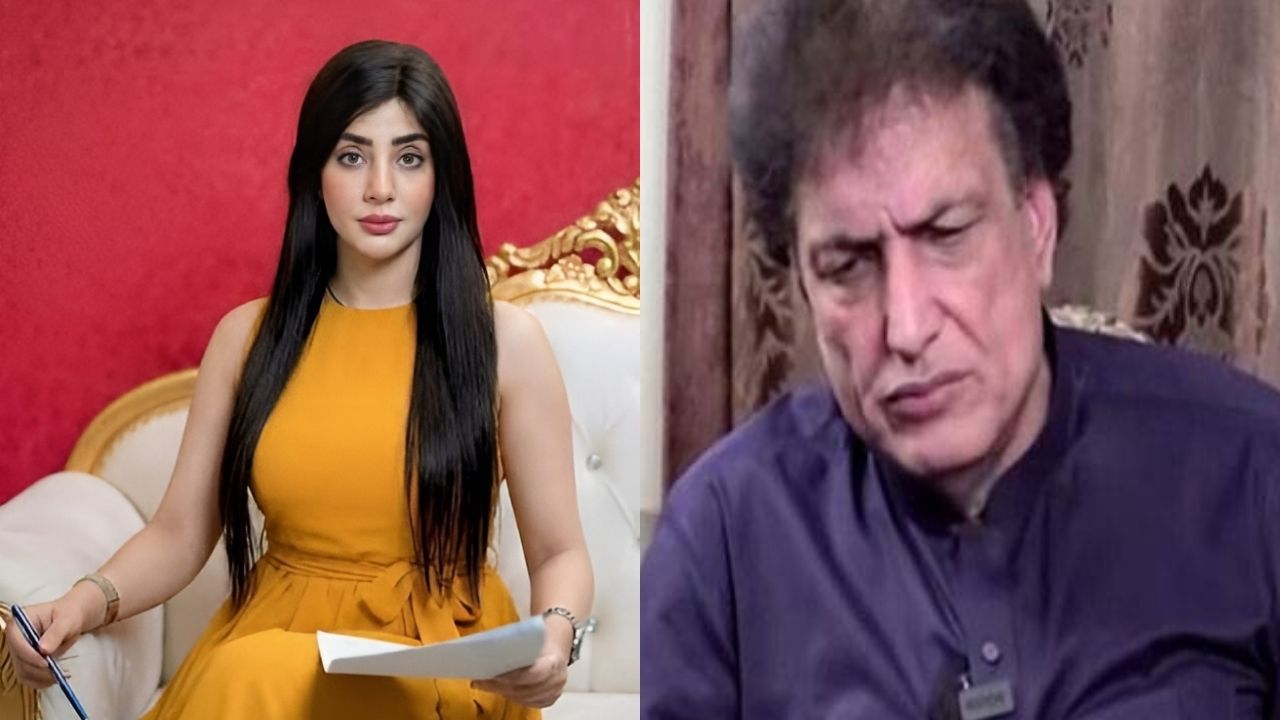
The ongoing social media debate surrounding influencer Fariha Farrukh has taken a new turn after renowned Pakistani writer and filmmaker Khalil Ur Rehman Qamar shared his views on the matter.
During a recent media appearance, Khalil Ur Rehman Qamar on Fariha Farrukh controversy became a topic of discussion when he was asked to comment on the influencer’s viral remarks that have been circulating widely across social media platforms.
However, the veteran writer made it clear that he had no interest in engaging with what he described as inappropriate discussions. Responding firmly, Qamar stated that he does not participate in conversations that lack substance and believes such topics should not be given unnecessary attention.
Qamar Calls For Responsible Content Consumption
While addressing the issue, Khalil Ur Rehman Qamar stressed that not every viral trend deserves public discussion. According to him, society is already exposed to many unpleasant realities, but that does not mean they should be transformed into entertainment or become the focus of public discourse.
He emphasized that content with little social value should not be amplified through media coverage or social media engagement. The writer urged audiences to be more mindful about the type of content they consume and promote online.
Responsibility Lies With Authorities, Says Qamar
Speaking further, Qamar argued that controlling the spread of harmful online content is not solely the responsibility of individuals. He maintained that government institutions and relevant authorities should play a more active role in regulating material that negatively impacts society.
According to him, effective measures are needed to discourage trends that may contribute to the decline of public standards. He also suggested that authorities should take action whenever necessary to prevent such content from reaching wider audiences.
Social Media Users Share Mixed Reactions
As expected, Khalil Ur Rehman Qamar on Fariha Farrukh controversy quickly generated discussion online. While some social media users agreed with his stance on regulating harmful content and promoting responsible online behavior, others believed that individuals should have the freedom to express themselves without excessive restrictions.
The debate continues to divide opinions, with supporters and critics sharing their perspectives across various digital platforms. The controversy has once again highlighted the ongoing conversation about social media influence, freedom of expression, and the responsibility of content creators in today’s digital age.
Whether one agrees with Qamar’s views or not, his comments have undoubtedly added another layer to an already widely discussed controversy, keeping the topic at the center of online conversations.