Now Reading: Sunanda Sharma Gives ‘Sammi Meri Waar’ a Fresh Punjabi Revival
-
01
Sunanda Sharma Gives ‘Sammi Meri Waar’ a Fresh Punjabi Revival

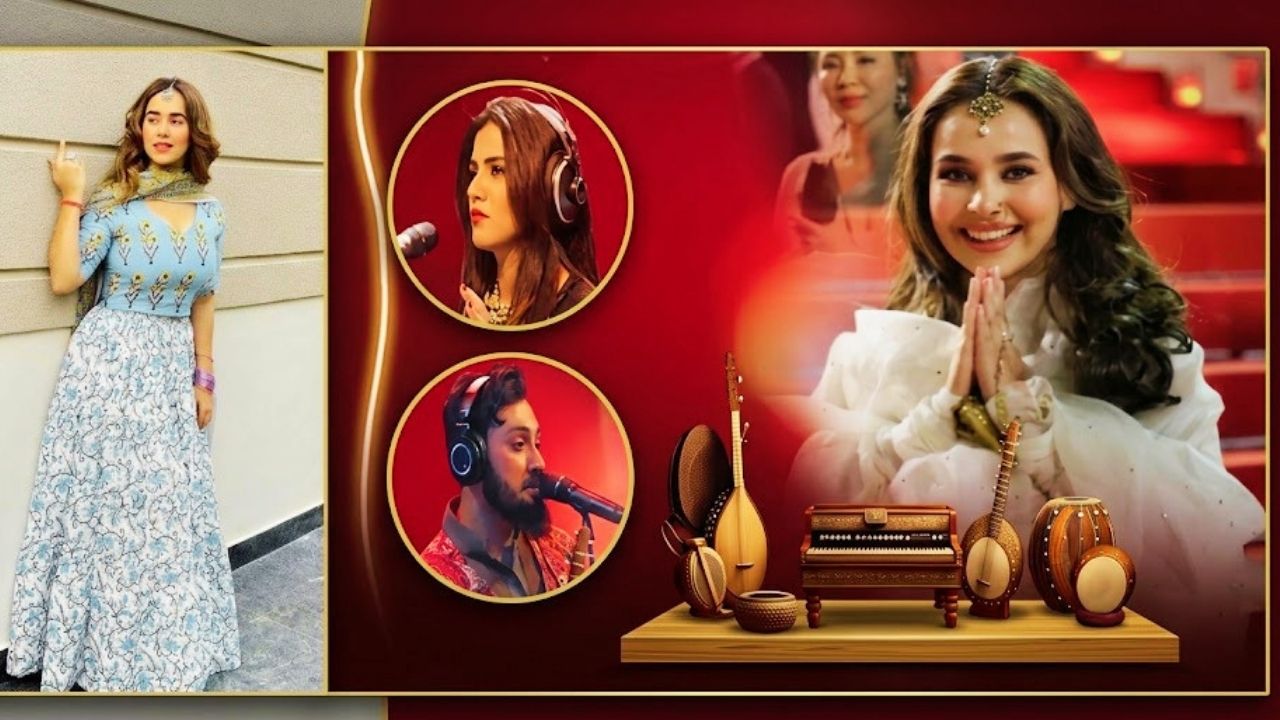
Punjabi singer Sunanda Sharma is revisiting a beloved folk favourite with her own rendition of ‘Sammi Meri Waar’, offering listeners a fresh interpretation while preserving the song’s traditional Punjabi identity.
The familiar track holds a special place in contemporary Punjabi music, particularly after Quratulain Balouch and Umair Jaswal performed it during Coke Studio Season 8. Their memorable rendition combined the emotional strength of the folk song with a contemporary musical arrangement, helping introduce it to an even wider audience.

Sunanda Sharma Reimagines a Familiar Favourite
Known for her contribution to Punjabi music, Sunanda Sharma has now put her own vocal stamp on the celebrated song. Rather than moving away from its folk character, her rendition approaches the track from a different musical perspective.
Her version gives audiences an opportunity to hear ‘Sammi Meri Waar’ through a new voice while retaining the Punjabi essence that has made the song enduringly popular.
The revival also highlights the continued appeal of traditional Punjabi music among contemporary artists. Folk compositions such as this one continue to find new audiences when musicians reinterpret them through their individual styles.
From Punjabi Folk Tradition to Coke Studio Fame
‘Sammi Meri Waar’ has its roots in Punjabi folk tradition and has long been connected with cultural celebrations and traditional singing.
The song received renewed attention through its appearance on Coke Studio Season 8, where Quratulain Balouch and Umair Jaswal delivered a powerful performance. Their vocals and Umair Jaswal’s energetic stage presence helped establish that rendition as one of the memorable musical moments associated with the season.
While that performance remains the most widely recognised modern version, Sunanda Sharma’s take introduces another chapter to the song’s journey.
A New Voice for a Timeless Folk Song
Sunanda’s rendition reflects the way Punjabi folk music continues to evolve without losing its cultural roots. By bringing a well-known composition to a new generation through her own vocal style, she adds another contemporary interpretation to a song that has already travelled far beyond its traditional setting.
For fans of Punjabi music, the rendition offers a chance to revisit a familiar melody from a different perspective while celebrating the folk heritage behind it.