
Now Reading: Conversations Before Marriage: 3 Essential Topics Every Couple Should Discuss
-
01
Conversations Before Marriage: 3 Essential Topics Every Couple Should Discuss


Beyond the Bridal Outfit: What Couples Must Actually Agree on Before the Wedding Day
In Pakistan, wedding preparations often revolve around bridal outfits, jewelry, venues, and guest lists. Families put considerable time and effort into making the shaadi memorable, but amid the celebrations, some of the most important discussions about married life can get overlooked.
How will the couple manage their finances? What role will their families play in everyday decisions? Will both partners be able to pursue their career ambitions, and do they share similar expectations about children and where they will live?
These questions might not seem as exciting as choosing a wedding dress, but they deserve attention before the big day. Discussing them early gives couples an opportunity to understand each other’s priorities, address differences, and build a more realistic picture of life together.
Here are three essential conversations every couple should consider before marriage.
1. Money Matters: Who Earns, Spends, and Makes Decisions?

Money can be a sensitive subject, particularly when couples come from families with different financial expectations. One person may expect both partners to contribute to household expenses, while the other may assume that one spouse will take primary responsibility for managing them.
Neither arrangement should be left to assumption.
Before marriage, couples should discuss their income, savings, debts and regular financial commitments. They should also talk about financial responsibilities towards their parents, particularly if either partner expects to support family members after marriage.
Another important question is how financial decisions will be made. Will both partners have an equal say in major purchases? How much should they save each month? Would they prefer to maintain separate accounts, shared savings or a combination of both?
Financial transparency does not mean that couples must share every expense or adopt one particular arrangement. It means understanding each other’s circumstances and agreeing on a system that feels fair to both.
Questions to discuss before the wedding:
What are our current financial commitments, savings and debts?
How will we divide household expenses?
Do either of us expect to provide financial support to our parents or relatives?
How will we approach major purchases, emergencies, and long-term savings?
What financial independence and transparency do we expect from each other?
A clear conversation about money can help couples avoid misunderstandings and make financial decisions as a team.
2. Family Boundaries: How Involved Will the In-Laws Be?
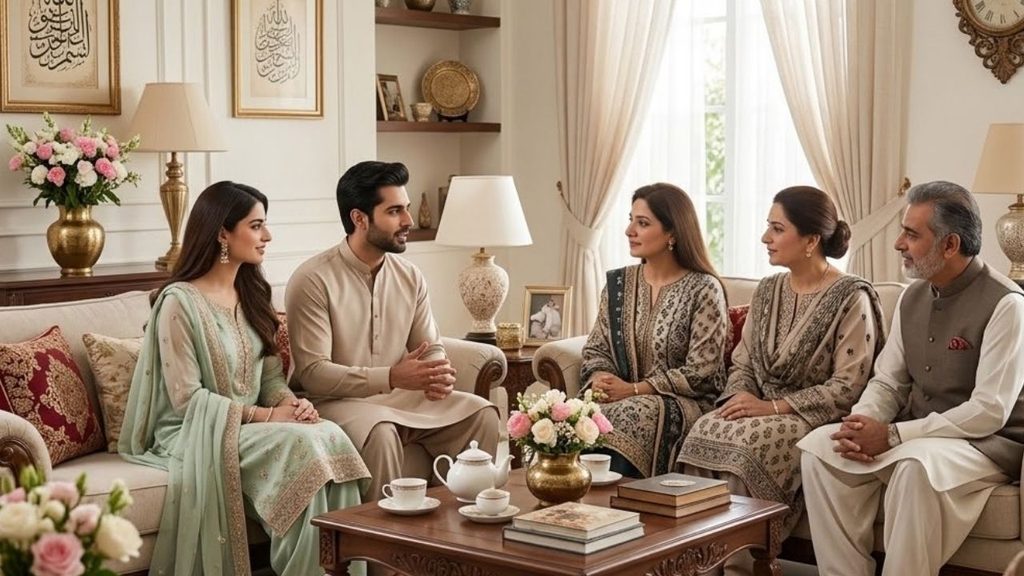
Family relationships are an important part of many Pakistani marriages. Parents often contribute to wedding arrangements, offer advice and remain closely involved in their children’s lives. Their support can be valuable, but differences in expectations can become difficult when couples have never discussed boundaries.
For example, one partner might expect to establish an independent household, while the other may anticipate living with their parents. Similarly, one family may prefer frequent visits and shared decisions, whereas the other may place greater importance on privacy.
Neither preference is automatically right or wrong. The important thing is to discuss these expectations honestly before marriage.
Couples should consider where they will live, how they will divide time between both families, and how much involvement they expect from relatives in personal decisions. They should also discuss how disagreements involving parents or siblings will be handled.
Setting boundaries does not mean disrespecting elders or distancing oneself from family. It means ensuring that both spouses feel heard and that decisions affecting their marriage are approached together.
Questions to discuss before the wedding:
Will we live independently or with family?
How will we divide time between both sides of the family during weekends, Eid and other occasions?
Which decisions should remain between us as a couple?
How will we handle disagreements involving our parents or relatives?
What privacy and personal boundaries do we both consider important?
These conversations can help couples balance family relationships with the need to build their own partnership.
3. Future Expectations: Careers, Children, and Where to Live
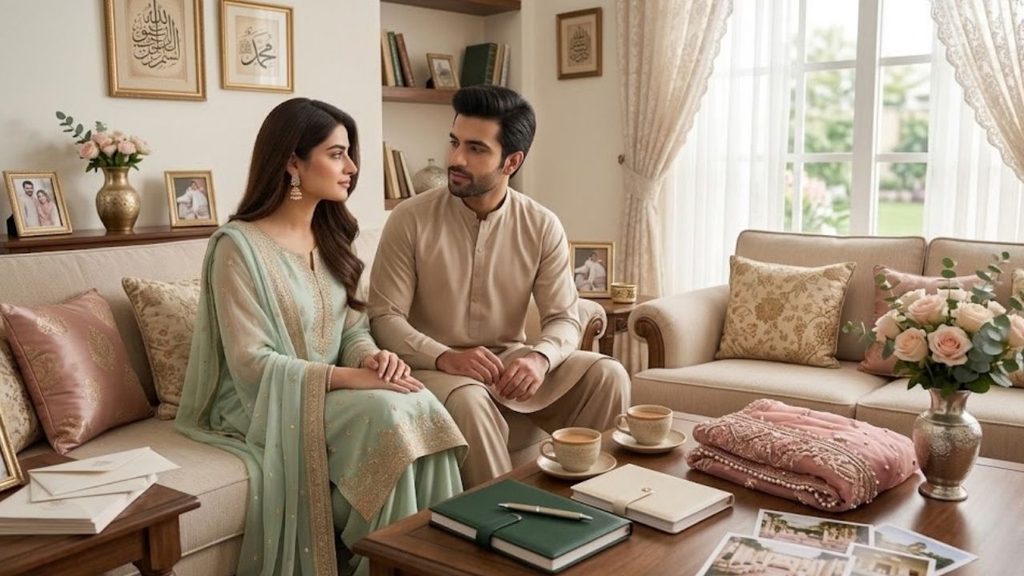
Marriage can bring changes to daily routines, professional ambitions, and long-term plans. Couples may discover that they have different ideas about these matters, even when they agree on most other things.
Career expectations are an important starting point. If both partners work, how will they manage household responsibilities? What happens if one receives a job offer in another city or wants to pursue further education? If one partner decides to start a business or change careers, what support will they expect from the other?
These discussions are particularly important when family expectations influence decisions about employment, relocation, or household roles.
Children are another subject that deserves an honest conversation. Couples should discuss whether they want children, their expectations about timing, and how they imagine sharing parenting responsibilities. It is equally important to recognize that personal circumstances and priorities may change over time.
Where to live also matters. Some couples may want to remain close to their families, while others may need to relocate for work or prefer a different city. Understanding these preferences early can make future decisions easier to navigate.
Beyond these practical considerations, couples should discuss what emotional support, communication, and partnership mean to them. Expectations about household chores, personal time, friendships, and resolving disagreements can influence everyday married life.
Questions to discuss before the wedding:
What are our career, education, and personal goals for the next five years?
How will we share household responsibilities?
Do we both want children, and what are our expectations about parenting?
Where would we prefer to live, and are we open to relocating?
How will we communicate when we disagree or face difficult decisions?
Couples do not need to predict every detail of their future. They do, however, need to understand each other’s priorities and be willing to adapt as circumstances change.
How to Have These Conversations Without Turning Them Into Arguments
Discussing money, in-laws, and future plans does not need to feel like an interview. Couples can approach one subject at a time, choose a comfortable setting, and allow each person to explain their expectations without interruption.
The aim is not to agree on absolutely everything. It is to understand differences, identify possible compromises, and recognize any major incompatibilities before making a lifelong commitment.
If a discussion becomes tense, taking a break and returning to it later can help. Couples who find certain topics particularly difficult may also benefit from premarital counselling or guidance from a qualified relationship professional.
Families arranging matches can support this process by allowing prospective partners sufficient time and privacy to discuss their expectations. These conversations should not be treated as signs of doubt or disrespect. They are an opportunity for both people to make informed decisions about their future.
Most importantly, couples should not feel pressured to ignore unresolved concerns simply because wedding preparations are underway. Important questions deserve thoughtful answers, not assumptions that everything will work itself out after the shaadi.
A Strong Marriage Begins Beyond the Wedding Day
A beautiful bridal outfit, a carefully chosen venue, and a memorable celebration can make a wedding special. But married life is shaped by the everyday decisions that follow: managing expenses, respecting family relationships, supporting each other’s ambitions, and navigating unexpected challenges together.
The goal is not to enter marriage with every problem solved. It is to begin with honesty, mutual respect, and a shared willingness to work through differences.
Before the next wedding appointment, couples can set aside time to discuss three essentials: money, family boundaries, and future expectations. These conversations may not feature in the wedding album, but they can help both partners approach married life with greater clarity and confidence.