
Now Reading: Pre-Wedding Diet Plan for Brides: Foods for Healthy, Glowing Skin
-
01
Pre-Wedding Diet Plan for Brides: Foods for Healthy, Glowing Skin
Pre-Wedding Diet Plan for Brides: Foods for Healthy, Glowing Skin

The countdown to a wedding often comes with a long beauty checklist. From choosing the perfect outfit to booking salon appointments, brides spend weeks preparing for their big day. But while skincare and makeup receive plenty of attention, everyday eating habits deserve a place in the preparation routine, too.
A thoughtful pre-wedding diet plan can help brides meet their nutritional needs, maintain their energy, and support healthy skin and hair. The good news is that this does not require expensive supplements, imported superfoods, or a strict diet that leaves you hungry.
Everyday foods such as eggs, lentils, yogurt, seasonal fruit, vegetables, whole-wheat roti, nuts, and fish can provide many of the nutrients the body needs. The key is knowing how to combine them into balanced, satisfying meals.
For brides preparing for a Pakistani wedding, where celebrations may stretch across several events, a practical eating routine can be particularly helpful. Here is how to build one that fits around your schedule without turning wedding preparation into another source of stress.
Can Your Diet Help You Achieve a Bridal Glow?
Healthy-looking skin is influenced by several factors, including genetics, hormones, sleep, skincare, and overall health. Food is not a magic solution for acne, pigmentation, or dryness, but a varied diet helps supply nutrients needed for normal skin function.
Protein supports the maintenance and repair of body tissues. Vitamin C contributes to normal collagen formation, while essential fatty acids play important roles in the body’s cells. Iron and other minerals are also necessary for normal bodily functions.
This is why a balanced approach makes more sense than relying on a single beauty food. Eating oranges every morning, for example, will not automatically give you flawless skin. Including a range of nutrient-rich foods throughout the week is a more useful long-term habit.
The aim is to arrive at your wedding feeling nourished, comfortable, and energetic, not to meet an unrealistic standard of perfection.
1. Build Your Breakfast Around Protein and Fiber
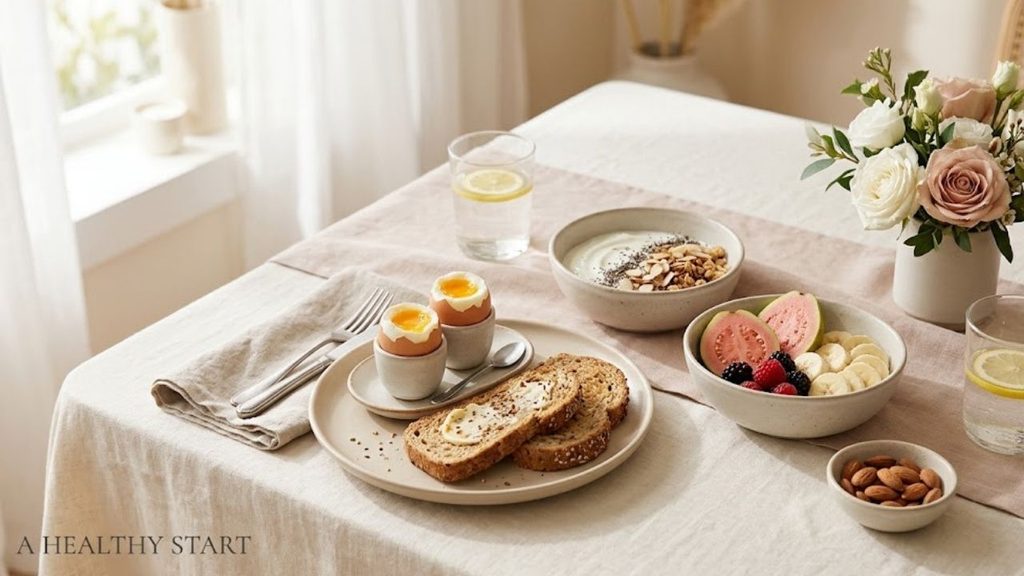
Wedding preparations can begin early, especially when appointments, shopping, and family commitments fill the calendar. Skipping breakfast may leave you hungry later and make it harder to maintain regular eating habits.
Choose a breakfast that combines protein with fiber-rich carbohydrates and, where possible, fruit or vegetables.
Here are some easy options:
- Two eggs with whole-wheat toast and cucumber.
- Oats cooked in milk, topped with banana and a few nuts.
- Besan chilla with plain yogurt.
- Whole-wheat roti with an egg or chickpea filling.
- Plain yogurt with seasonal fruit and seeds.
There is no need to abandon familiar Pakistani breakfasts. An egg paratha prepared with a moderate amount of oil can fit into a balanced diet, too. What matters is the overall pattern of your meals, not whether every item belongs to a trendy wellness menu.
Bridal tip: If you have a busy morning, prepare overnight oats, boil eggs in advance, or keep fruit and unsalted nuts ready for an easy breakfast.
2. Choose Seasonal Fruits for Everyday Nutrition
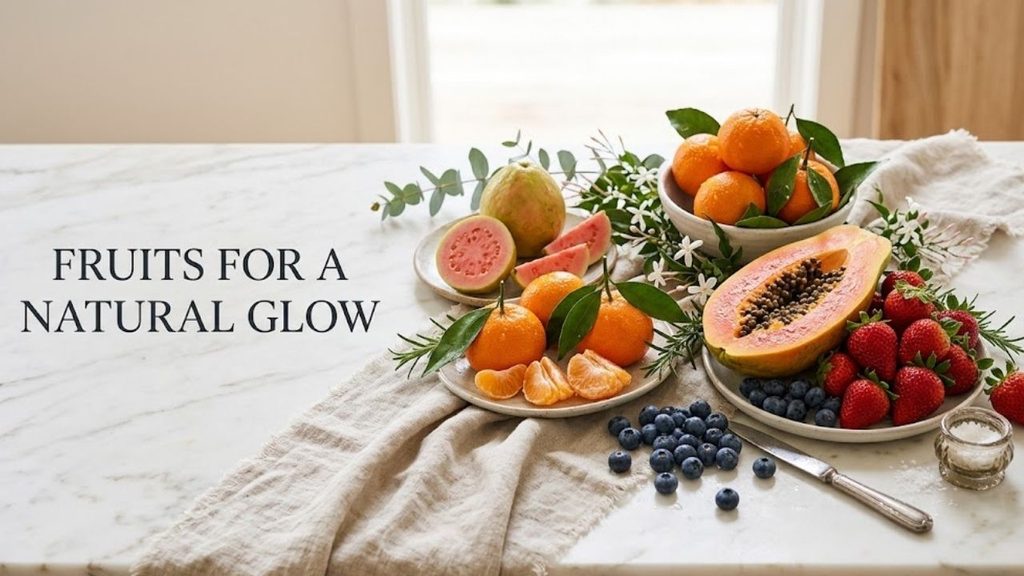
Fruit is a simple way to add fiber, vitamins, and variety to your diet. Many seasonal options available in Pakistan are nutritious and affordable, so a bridal wellness routine does not need to depend on costly imported produce.
Consider rotating these choices:
Guava: A useful source of vitamin C and fiber.
Kinnow and oranges: Provide vitamin C and make convenient snacks.
Papaya: Supplies vitamin C, carotenoids, and fiber.
Bananas: Provide carbohydrates and potassium, making them a practical option when you need something quick.
Watermelon: Contains water and contributes to overall fluid intake.
Apples: Offer fibre and are easy to carry while travelling between appointments.
Whole fruit is generally a better everyday choice than replacing it with sweetened juice. You can also pair fruit with yogurt or nuts for a more satisfying snack.
Remember that no fruit can guarantee clear skin or remove pigmentation. Think of fruit as one part of a varied diet rather than a standalone beauty treatment.
3. Add Vegetables to Lunch and Dinner
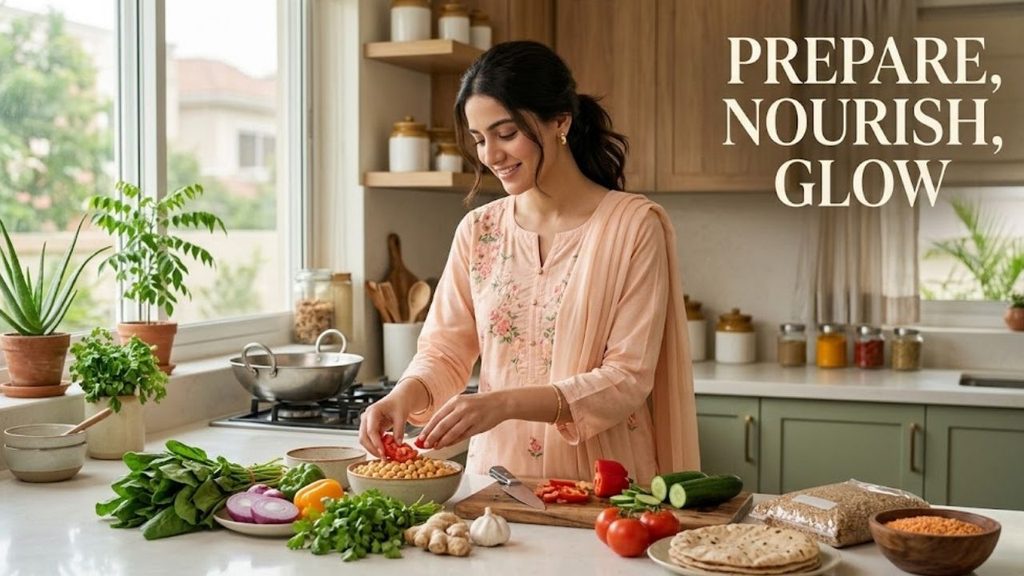
Vegetables provide a combination of fiber, vitamins, minerals, and beneficial plant compounds. Eating a variety of colors throughout the week is an easy way to broaden your nutrient intake.
Tomatoes, carrots, spinach, capsicum, cucumber, cauliflower, okra, and seasonal leafy greens are all useful choices.
For example, you could serve a vegetable sabzi alongside daal and roti, add cucumber and tomatoes to lunch, or prepare a mixed vegetable dish with chicken or chickpeas.
Fresh, frozen, and cooked vegetables can all contribute to a healthy diet. You do not need to eat raw salads at every meal, particularly if cooked vegetables suit your digestion or preferences better.
A practical approach is to include vegetables at lunch and dinner and add fruit to one or more meals or snacks. Gradually increasing variety is more sustainable than attempting a dramatic dietary change just before the wedding.
4. Eat Enough Protein for Hair and Body Health
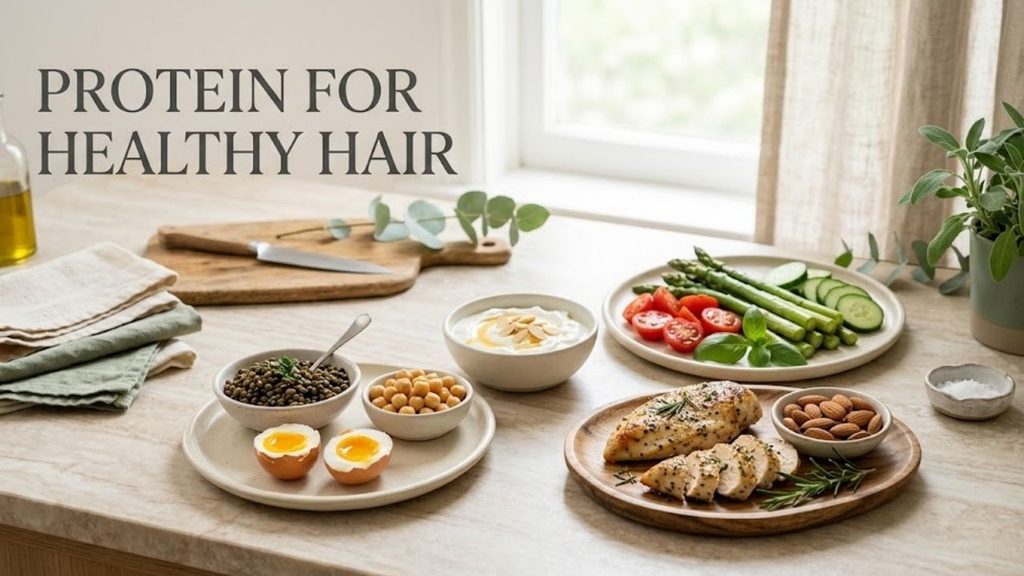
Hair shedding is a common concern among brides, particularly when they are juggling stress, busy schedules, and changing eating habits. Adequate nutrition is important for normal hair growth, although hair loss can have many causes.
Protein is one of the nutrients the body needs to maintain and repair tissues. Consistently eating too little protein or following a severely restrictive diet may contribute to nutritional problems.
Good protein sources include:
- Eggs and chicken.
- Fish.
- Daal, chickpeas, and kidney beans.
- Milk and yogurt.
- Paneer and other cottage cheeses.
- Tofu and other soy foods.
- Nuts and seeds.
For a simple Pakistani lunch, try daal with roti and yogurt. At dinner, you could have chicken with vegetables and rice, or chickpeas with a vegetable curry.
Vegetarians can obtain protein from pulses, dairy products, soy foods, nuts, and seeds. The best choices depend on your dietary preferences, appetite, and individual needs.
If you experience sudden or persistent hair shedding, consult a healthcare professional rather than assuming that a particular food or supplement will solve the problem.
5. Include Healthy Fats Instead of Cutting Out All Oil
A common bridal diet mistake is treating every source of fat as something to avoid. In reality, the body needs certain fats, and dietary fat helps with the absorption of vitamins A, D, E, and K.
Useful sources include walnuts, almonds, seeds, olive oil, and oily fish. Other cooking oils can also fit into a balanced eating pattern when used in appropriate amounts.
You can sprinkle seeds over oatmeal, add a small handful of nuts to a snack, or include fish in your weekly meals if it is available and suits your diet.
There is no need to purchase expensive supplements or specialty oils simply because they are promoted for beauty. A varied diet with familiar ingredients is a sensible starting point.
6. Pay Attention to Iron and Other Essential Nutrients
Wedding preparations are demanding enough without dealing with preventable fatigue. Iron is needed to make hemoglobin, which carries oxygen around the body. Iron deficiency can cause tiredness and may also be associated with hair loss.
Foods containing iron include meat, poultry, lentils, chickpeas, beans, leafy green vegetables, and iron-fortified foods.
If your meals rely mainly on plant-based iron sources, combine them with vitamin C-rich foods such as guava, tomatoes, or citrus fruit. Vitamin C can help the body absorb iron from plant foods.
Iron is not the only nutrient worth considering. Vitamin B12, folate, zinc, and other nutrients also play important roles in health, and requirements vary from person to person.
Avoid taking high-dose iron, zinc, biotin, or other supplements solely for a bridal glow without checking whether you need them. Supplements are not automatically beneficial, and excessive amounts of certain nutrients can be harmful.
If you regularly feel unusually tired or notice significant hair loss, a healthcare professional can assess whether a deficiency or another condition may be responsible.
7. Drink Water Regularly Throughout the Day
Between salon appointments, shopping trips, and family gatherings, it is easy to forget to drink enough. Keeping water nearby is a simple habit that can help you maintain normal hydration.
Water is an excellent everyday choice. Milk, unsweetened beverages, soups, and water-rich foods also contribute to fluid intake.
Cucumbers, oranges, melons, and tomatoes can add to your overall fluid intake while providing other nutrients.
However, drinking excessive amounts of water will not guarantee brighter skin or remove toxins in the way some beauty trends suggest. Your needs depend on your activity level, the weather, and your health.
A useful habit: Drink regularly across the day, particularly when you are out in warm weather or physically active. Do not force yourself to drink excessive amounts in pursuit of a beauty benefit.
8. Should Brides Avoid Sugar to Prevent Breakouts?
You do not need to ban desserts, mithai, or your favorite wedding treats to prepare for your big day.
However, a diet dominated by sugary drinks, sweets, and highly refined snacks may leave less room for foods that provide essential nutrients. Some research also suggests that a lower-glycemic dietary pattern may improve acne in certain people, although the evidence is not conclusive and diet alone cannot treat every case of acne.
Instead of imposing strict restrictions, try these practical swaps:
- Replace some sugary drinks with water.
- Choose fruit or plain yoghurt for an everyday snack.
- Have roasted chickpeas or a handful of nuts when you need something convenient.
- Pair carbohydrates with protein and vegetables when planning meals.
- Enjoy sweets in moderate portions rather than making them your main source of energy.
You can still enjoy traditional foods during wedding festivities. A sustainable routine should leave room for celebrations instead of making you feel guilty about every treat.
If you have persistent acne, consult a dermatologist. Dietary changes may help some people, but they are not a substitute for appropriate treatment.
A Practical Seven-Day Pre-Wedding Diet Plan
This sample menu uses familiar foods that are relatively easy to find in Pakistan. It is designed as a flexible example, not a personalised prescription or a weight-loss diet.
Portions should be adjusted to your appetite, activity level, dietary needs, and health circumstances. Add snacks when hungry, and substitute foods according to availability and preference.
| Day | Breakfast | Lunch | Dinner |
|---|---|---|---|
| Monday | Eggs, whole-wheat toast and fruit | Daal, roti and cucumber-tomato salad | Chicken, vegetables and rice |
| Tuesday | Oats with milk, banana and nuts | Chickpea curry with roti and salad | Fish, vegetables and roti |
| Wednesday | Besan chilla with yoghurt | Chicken or bean wrap with vegetables | Mixed vegetable sabzi, daal and roti |
| Thursday | Vegetable omelette and whole-wheat bread | Rajma or lobia with rice and salad | Chicken or tofu with vegetables |
| Friday | Plain yoghurt, fruit and oats | Daal with roti and cooked vegetables | Fish or chickpeas with rice |
| Saturday | Egg paratha with yoghurt | Chicken curry, roti and vegetables | Lentil soup, whole-wheat bread and salad |
| Sunday | Oatmeal or eggs with fruit | Homemade chicken pulao with raita and salad | Vegetable curry, beans or daal, and roti |
Snack ideas for any day: Guava, kinnow, banana, plain yoghurt, roasted chickpeas, boiled eggs, or a small handful of nuts.
Drinks: Water throughout the day, with unsweetened drinks as preferred.
You can repeat favourite meals, exchange lunch and dinner, or use leftovers to save time. The purpose is to make balanced eating easier not to follow a rigid schedule.
A Simple Shopping List for Brides
Preparing a few essentials at the start of the week can make healthy choices more convenient when wedding planning becomes hectic.
Protein: Eggs, daal, chickpeas, beans, chicken, fish, milk, and yoghurt.
Fruits: Guava, bananas, apples, kinnow, oranges, and other seasonal options.
Vegetables: Spinach, carrots, tomatoes, cucumbers, capsicum, and seasonal sabzi ingredients.
Carbohydrates: Whole-wheat atta, oats, rice, and whole-grain bread.
Healthy fats: Almonds, walnuts, seeds, and cooking oil.
Choose what fits your budget and preferences. There is no requirement to buy every item on this list, and frozen vegetables or convenient pantry staples can be useful alternatives.
What Brides Should Avoid Before the Wedding
The final weeks before a wedding are not the right time to experiment with extreme diets or unverified beauty treatments.
Keep these precautions in mind:
Avoid crash dieting. Severe calorie restriction and skipped meals can leave you tired and may increase the risk of nutritional deficiencies.
Do not rely on detox drinks. Special juices or teas are not necessary to cleanse your body, and some products marketed for detoxification can cause harm.
Be cautious with beauty supplements. High doses of certain vitamins and minerals may be harmful, particularly when you do not have a deficiency.
Do not introduce several new skincare products at once. Irritation or breakouts may be difficult to manage close to the wedding. Seek professional advice for persistent skin concerns.
Do not expect overnight results. Nutritional improvements support general health, but visible changes in skin and hair vary from person to person.
Sleep and Stress Matter, Too
Food is only one part of the preparation process. Long days, late nights, and wedding-related pressure can make it difficult to maintain healthy habits.
Try to protect your sleep schedule as much as possible. Take short breaks between appointments, fit in a walk when convenient, and ask family members for help when the planning becomes overwhelming.
Keep your skincare routine familiar and appropriate for your skin type. If you have an ongoing skin or hair concern, getting advice early is generally more useful than trying several new treatments in the final days.
A wedding is an important celebration, but preparing for it should not require exhausting yourself in the process.
When Should You Start a Pre-Wedding Diet Plan?
Starting several weeks or months ahead gives you more time to establish regular meals, improve food variety, and find options that work with your schedule.
There is no universal timeline for achieving a particular skin appearance. Diet cannot guarantee freedom from acne, pigmentation, or hair problems, and those concerns may need professional treatment.
In the final week, focus on consistency rather than dramatic changes. Eat familiar, balanced meals, drink fluids regularly, get enough rest, and avoid trying untested supplements or restrictive diets.
If you are pregnant, have a medical condition, take medication that affects nutrition, or have a history of disordered eating, seek personalised advice from a qualified healthcare professional or registered dietitian before making major dietary changes.
The Takeaway: Focus on Feeling Your Best
A useful pre-wedding diet plan is not about eating as little as possible or trying to change your appearance in a few days. It is about giving your body the nutrients it needs while making room for the excitement and occasional stress of wedding preparation.
Build meals around a variety of fruits and vegetables, protein sources, whole grains, and healthy fats. Choose affordable seasonal foods, keep water available, and maintain a routine that you can realistically follow.
Most importantly, do not measure your bridal preparation by whether your skin looks flawless or your body matches a particular ideal. Healthy habits can support your well-being, but they cannot promise perfection.
Your wedding day is a celebration, not an examination. Nourish yourself, give yourself time to rest, and make room to enjoy the moments leading up to it.
For more expert advice, explore our guide to Best Bridal Health Tips For A Naturally Glowing Wedding Look and discover simple ways to feel confident, healthy, and radiant on your wedding day.