Now Reading: Nida Yasir Faces Backlash After Abeel Jawed’s Emotional Account of Husband’s Death
-
01
Nida Yasir Faces Backlash After Abeel Jawed’s Emotional Account of Husband’s Death
Nida Yasir Faces Backlash After Abeel Jawed’s Emotional Account of Husband’s Death

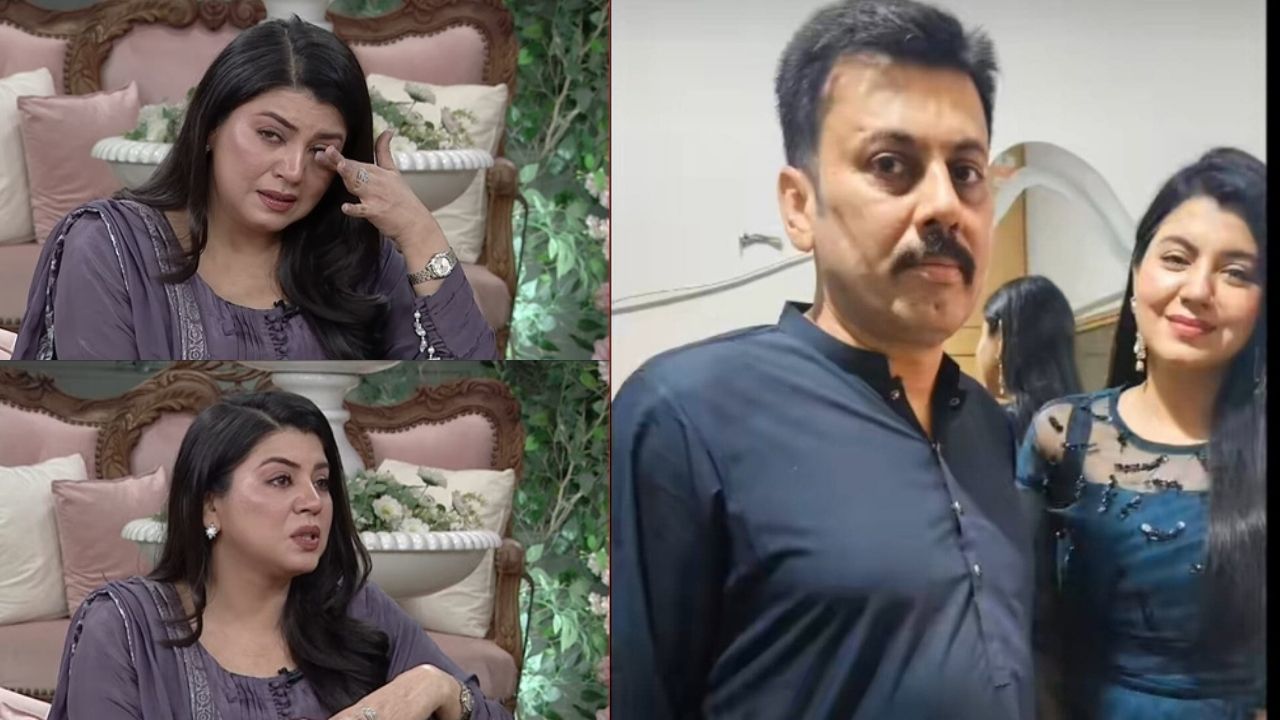
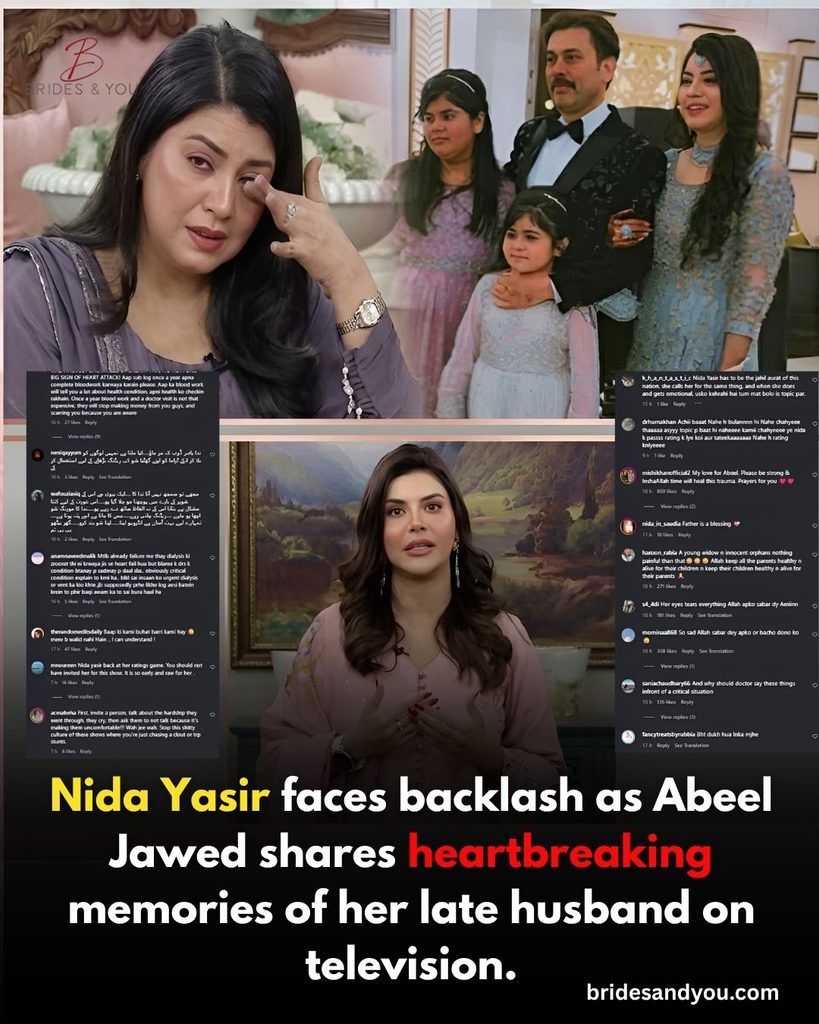
Pakistani television host Nida Yasir has faced criticism on social media after actress Abeel Jawed became emotional while remembering her late husband during an appearance on Good Morning Pakistan. The interview has prompted a debate about the emotional impact of revisiting personal tragedies on television.
Abeel, who previously co-hosted the cooking show Handi on Masala TV alongside the late culinary expert Zubaida Tariq, spoke candidly about losing her husband, Shehzad, in May 2026. Her account of the sudden loss and its impact on her family moved viewers, while some questioned whether such painful memories should be discussed in a televised setting.
Abeel Jawed Recalls Her Husband’s Final Hours
During the conversation, Abeel described how her husband had not appeared seriously unwell before she took him to the hospital. She initially suspected that his oxygen levels might be low, but the medical discussions that followed took an unexpected turn.
According to Abeel, doctors discussed possible interventions, including dialysis and ventilator support. She recalled that Shehzad became frightened after hearing about the proposed procedures. Within a few hours, his heart failed, leaving her struggling to process how quickly the situation had deteriorated.
Her recollection offered a glimpse into the shock of losing a loved one unexpectedly and the uncertainty families can experience during a medical emergency.
A Mother’s Painful Struggle After Loss
Abeel also spoke about the prospect of raising her daughters without their father. She explained how difficult it was to imagine becoming a single parent, particularly because she had never anticipated facing such a devastating change in her family’s life.
One of her most heartbreaking memories involved her younger daughter, Hoorain. Abeel recalled that the child struggled to understand the permanence of her father’s death. After seeing him for the last time, Hoorain reportedly cried and asked when he would return home and how long he would remain in the grave.
Abeel further revealed that her daughters continued sending voice messages to their father after his passing, despite being unable to receive a response. Their actions reflected the difficulty of understanding death at a young age and adjusting to the absence of a parent.
Social Media Users Question the Interview
Following the broadcast, some social media users criticized the programme for revisiting such deeply painful experiences. They questioned whether discussing the details of a personal tragedy on television could add to the emotional burden of someone who is still grieving.
Others responded with sympathy for Abeel and her daughters, offering prayers and messages of support as they continue to navigate life without Shehzad.
The discussion has highlighted a broader question about the responsibilities of television programmes when handling sensitive personal stories. While sharing experiences of loss can help people feel less alone, the timing, framing and emotional well-being of guests remain important considerations.
For Abeel, the interview brought deeply personal memories into the public eye. The subsequent reaction reflects the delicate balance between telling real-life stories and ensuring that grief is treated with compassion and sensitivity.