Now Reading: Alizeh Shah Falak Shabir Controversy Sparks Heated Social Media Debate
-
01
Alizeh Shah Falak Shabir Controversy Sparks Heated Social Media Debate

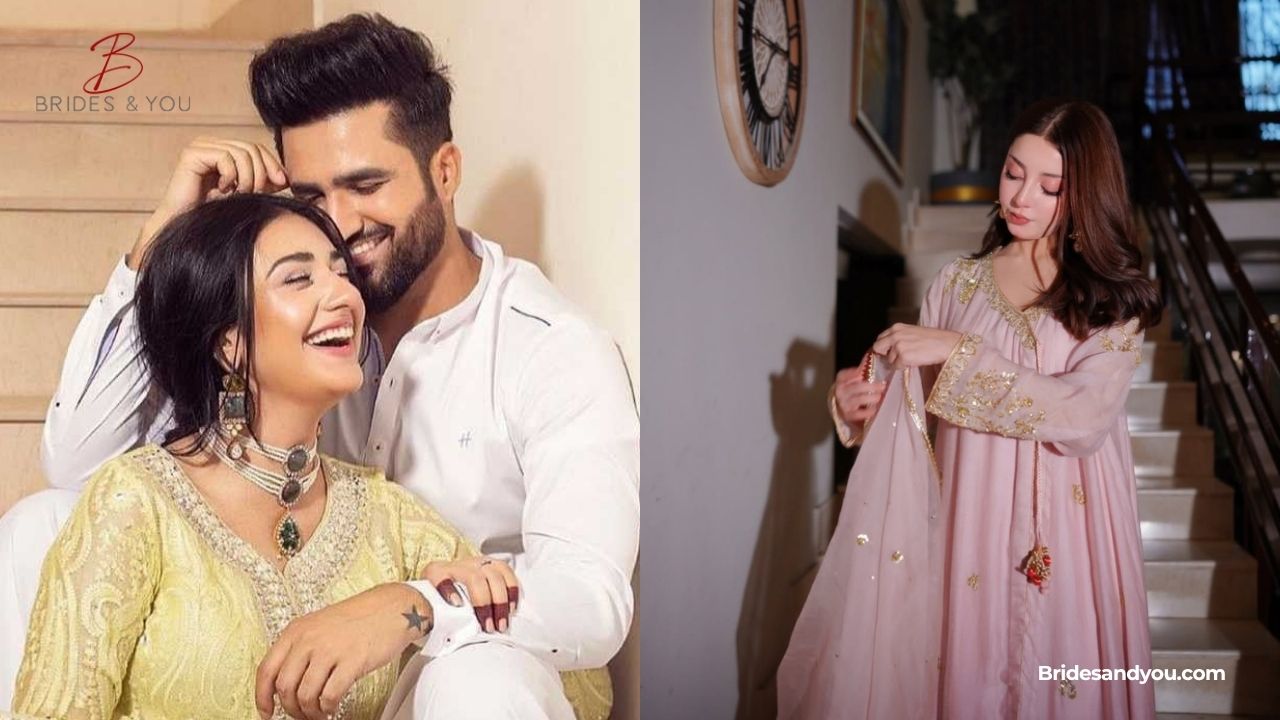
The Alizeh Shah Falak Shabir controversy has become a major talking point on social media after the actress publicly criticized singer Falak Shabir through a series of Instagram Stories. The latest exchange has sparked discussions about women’s safety, social responsibility, and the role public figures play when addressing sensitive social issues.

What Triggered the Controversy?
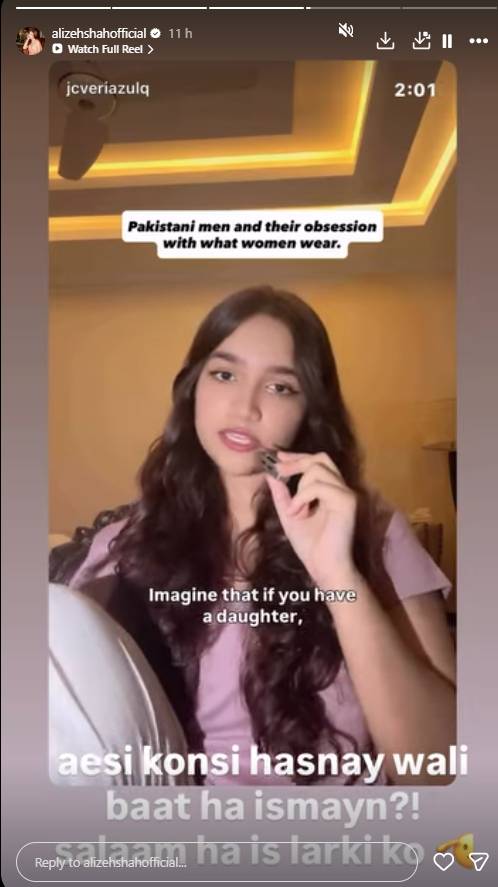
The situation began when Alizeh Shah shared a video discussing serious issues faced by women, including rape, acid attacks, victim-blaming, and society’s constant focus on women’s clothing choices. The video carried a strong message highlighting what it described as the ongoing obsession with policing women’s attire.
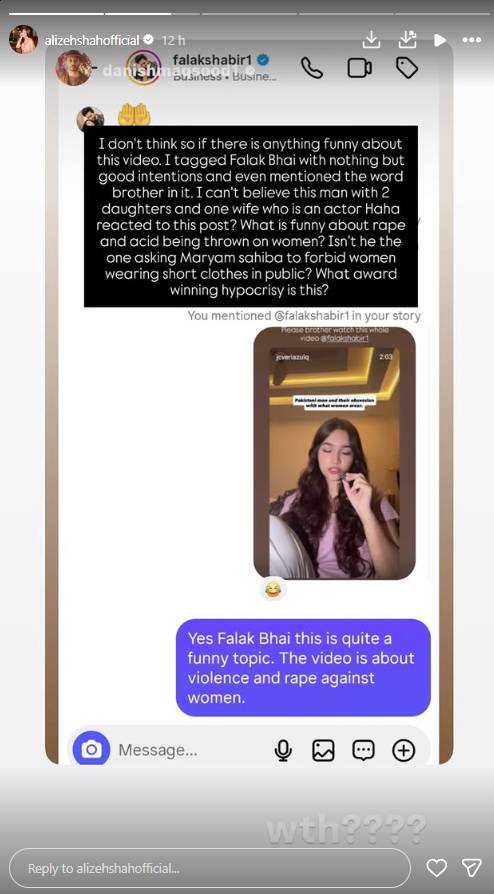
According to Alizeh, a social media user tagged Falak Shabir in the post while referring to him respectfully and sharing the content with positive intentions. However, the actress later claimed that Falak’s account reacted to the post with a laughing emoji, something she found deeply upsetting.
Alizeh Shah Questions the Alleged Reaction
Expressing her disappointment, Alizeh questioned how a discussion centered on violence against women could be viewed as something humorous. She shared multiple Instagram Stories addressing the issue and voiced concern over what she described as an inappropriate response to a serious topic.
The actress also referred to Falak Shabir’s previously discussed opinions regarding modesty and women’s clothing. In her posts, she accused the singer of displaying contradictory behavior and called out what she believed to be a double standard.
Support for Women’s Rights and Awareness
As the conversation continued, Alizeh reshared the original video and praised the creator for speaking openly about gender-based violence and societal attitudes toward women.
She also reposted content from social media commentators who criticized the alleged emoji reaction. Several of these posts questioned why anyone would react with laughter to content addressing rape, acid attacks, and victim-blaming.
Screenshots circulating online appeared to show a notification allegedly linked to the reaction, further fueling debate among social media users.
Social Media Reacts
The Alizeh Shah Falak Shabir controversy quickly gained momentum across various platforms. Many users supported Alizeh’s stance, arguing that discussions about women’s safety should always be treated with seriousness and sensitivity.
Others called for clarification regarding the alleged reaction, noting that social media interactions can sometimes be accidental or misunderstood. As a result, opinions remain divided, with online communities continuing to debate the situation.
A Wider Conversation Beyond Celebrity Feuds
Beyond the disagreement between the actress and singer, the incident has reignited broader conversations about gender-based violence, victim-blaming, and public accountability.
Alizeh later shared another story featuring a message encouraging people to speak the truth and stand against wrongdoing. The post appeared to reinforce her position and underline the importance of addressing social issues openly.
While neither side has publicly resolved the matter, the discussion continues to attract attention and highlights the growing expectation for celebrities to engage responsibly when sensitive social topics are involved.