
Now Reading: Pakistan Weather Alert: Heavy Rain and Snowfall Expected Across Northern Areas
-
01
Pakistan Weather Alert: Heavy Rain and Snowfall Expected Across Northern Areas

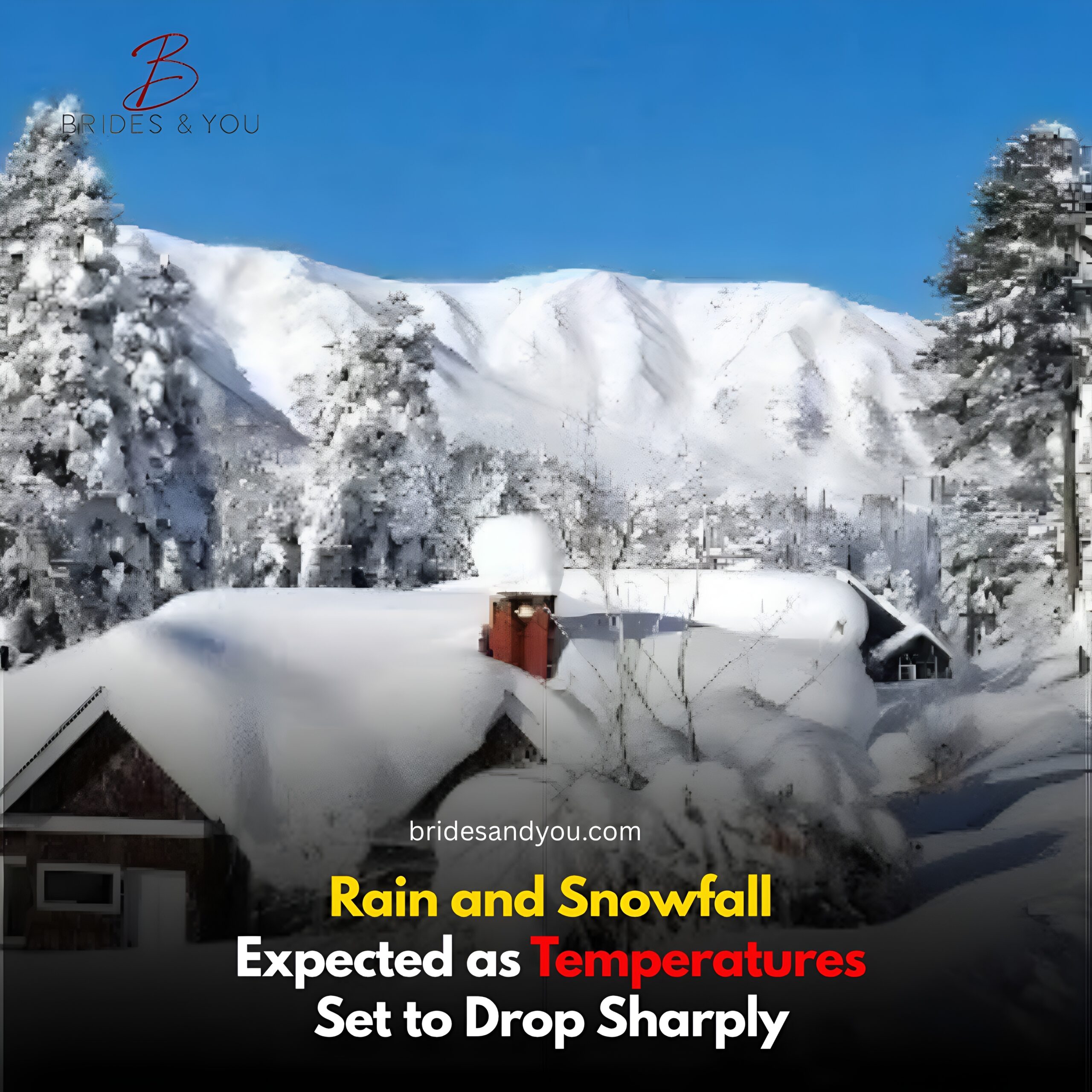
The Pakistan Meteorological Department (PMD) has released an important weather alert for the upper parts of the country. As a strong westerly wave is expected to enter northern Pakistan on the night of November 3, citizens should prepare for a significant temperature drop, heavy rainfall, and snowfall in several regions. The spell will last until November 5, bringing cold winds and stormy weather across hilly and plain areas alike.

Westerly Wave to Hit Northern Pakistan
According to the Pakistan Meteorological Department, a powerful westerly system will enter from the western borders and impact the northern and upper central regions of the country. This system will trigger rain, thunderstorms, and snowfall in multiple districts, marking the beginning of the winter season in many areas.
The wave is expected to remain active for two to three days, covering a wide range of territories and transforming the current mild weather into a cold and wet spell.
Rain, Thunderstorms, and Snowfall Forecast in Major Areas
The PMD has listed several districts likely to experience moderate to heavy rainfall, windstorms, and snowfall over mountains.
Khyber Pakhtunkhwa (KP):
The affected areas include Chitral, Dir, Swat, Kohistan, Shangla, Battagram, Buner, Mansehra, Abbottabad, Haripur, Malakand, Bajaur, Mohmand, Khyber, Swabi, Nowshera, Peshawar, Mardan, Charsadda, Kurram, Orakzai, Hangu, Kohat, and the Galliyat region.
In these areas, rain and thunderstorms are expected, with snowfall likely at higher elevations such as Malam Jabba, Kalam, and Naran.
Kashmir and Gilgit-Baltistan:
In Kashmir, regions like Neelum Valley, Muzaffarabad, Rawalakot, Poonch, Hattian, Bagh, Haveli, Sudhanoti, Kotli, Bhimber, and Mirpur are predicted to receive rain and snowfall, turning the region into a winter wonderland.
In Gilgit-Baltistan, areas including Diamir, Astore, Skardu, Gilgit, Hunza, Ghanche, and Shigar may experience heavy snowfall and freezing temperatures.
Punjab Plains:
The twin cities of Islamabad and Rawalpindi, along with Murree, Attock, Chakwal, Talagang, Jhelum, Sargodha, Khushab, Gujranwala, Sialkot, Narowal, and Lahore, are also likely to experience rain and windstorms. The rainfall will bring temporary relief from smog but will lead to a sharp temperature drop afterward.
Significant Temperature Drop Expected Nationwide
One of the key impacts of this weather system will be a notable fall in both day and night temperatures. After the rainfall, cold and dry air will dominate, causing the mercury to plunge in most parts of the country.
Daytime temperatures are expected to drop by 5 to 8 degrees Celsius, while nights will become considerably colder, especially in the northern valleys and plains of Punjab and Khyber Pakhtunkhwa.
This marks the official onset of winter in many parts of Pakistan, as the country transitions from a warm October into a chilly November.
Temporary Relief from Fog and Smog
The recent weeks have seen dense smog and fog across Punjab and upper Sindh, reducing visibility and affecting daily life. According to the PMD, rain and winds during this spell will temporarily clear the atmosphere, providing much-needed relief from smog-related breathing issues and travel disruptions.
However, authorities warn that smog may return once the weather clears, especially if air pollution remains high due to crop residue burning and vehicular emissions.
Safety Advisory for the Public
The PMD and disaster management authorities have issued several precautionary guidelines for the general public, travelers, and farmers.
- Farmers are advised to plan their agricultural activities according to the latest weather updates, as heavy rain and wind could affect standing crops.
- Travelers and tourists are urged to avoid unnecessary trips to hilly and mountainous areas during the spell, as landslides and slippery roads could make travel risky.
- General public should stay alert for potential power disruptions and damage to weak structures due to windstorms and hail.
- Citizens are also encouraged to keep warm, as sudden temperature changes could trigger seasonal illnesses like flu and fever.
Conclusion: Prepare for the Cold and Stay Updated
With the Pakistan Weather Alert in place, it’s crucial for everyone to stay informed and cautious over the next few days. The incoming rain and snowfall will not only beautify the northern landscape but also mark the beginning of Pakistan’s winter season.
Residents are advised to follow official weather updates from the Pakistan Meteorological Department and local authorities to stay safe and prepared.