Now Reading: Guilty as charged: Meta’s child safety cover-up costs it $942 million
-
01
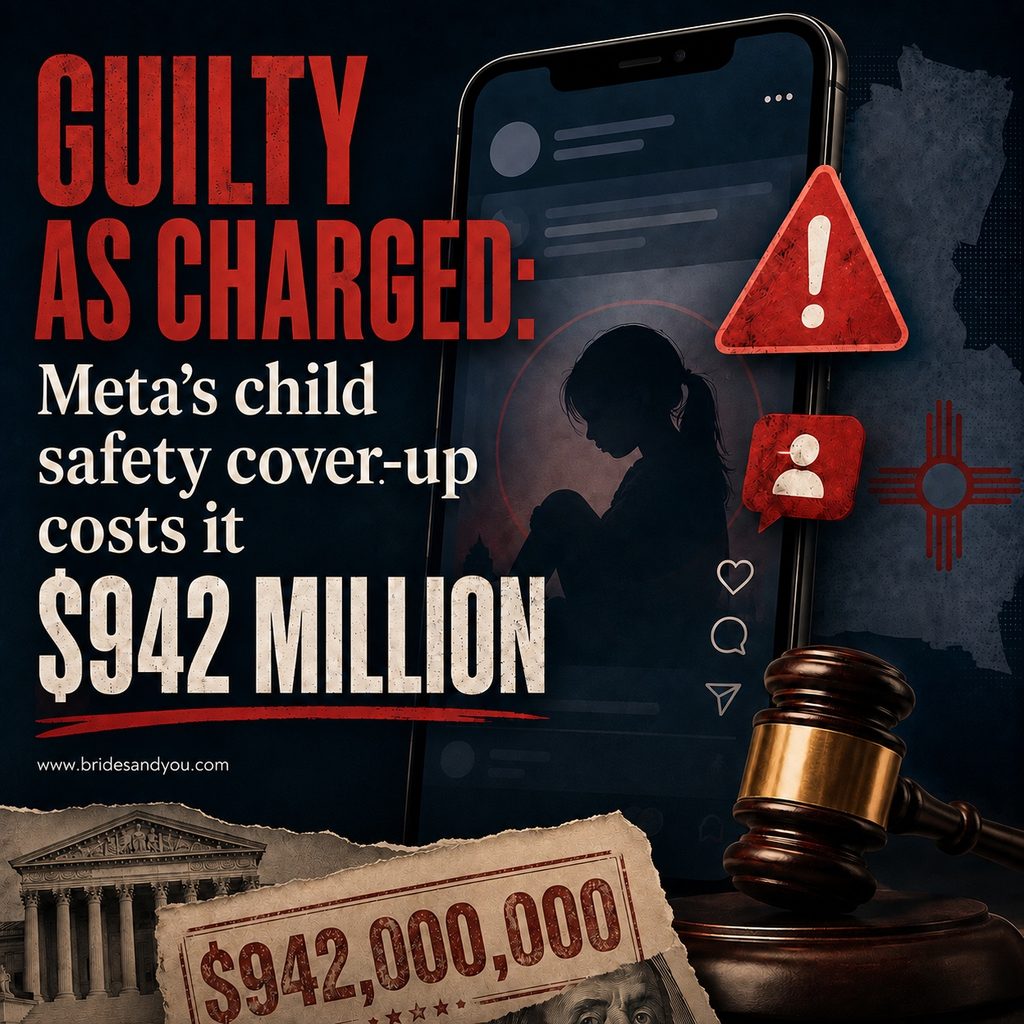
Guilty as charged: Meta’s child safety cover-up costs it $942 million

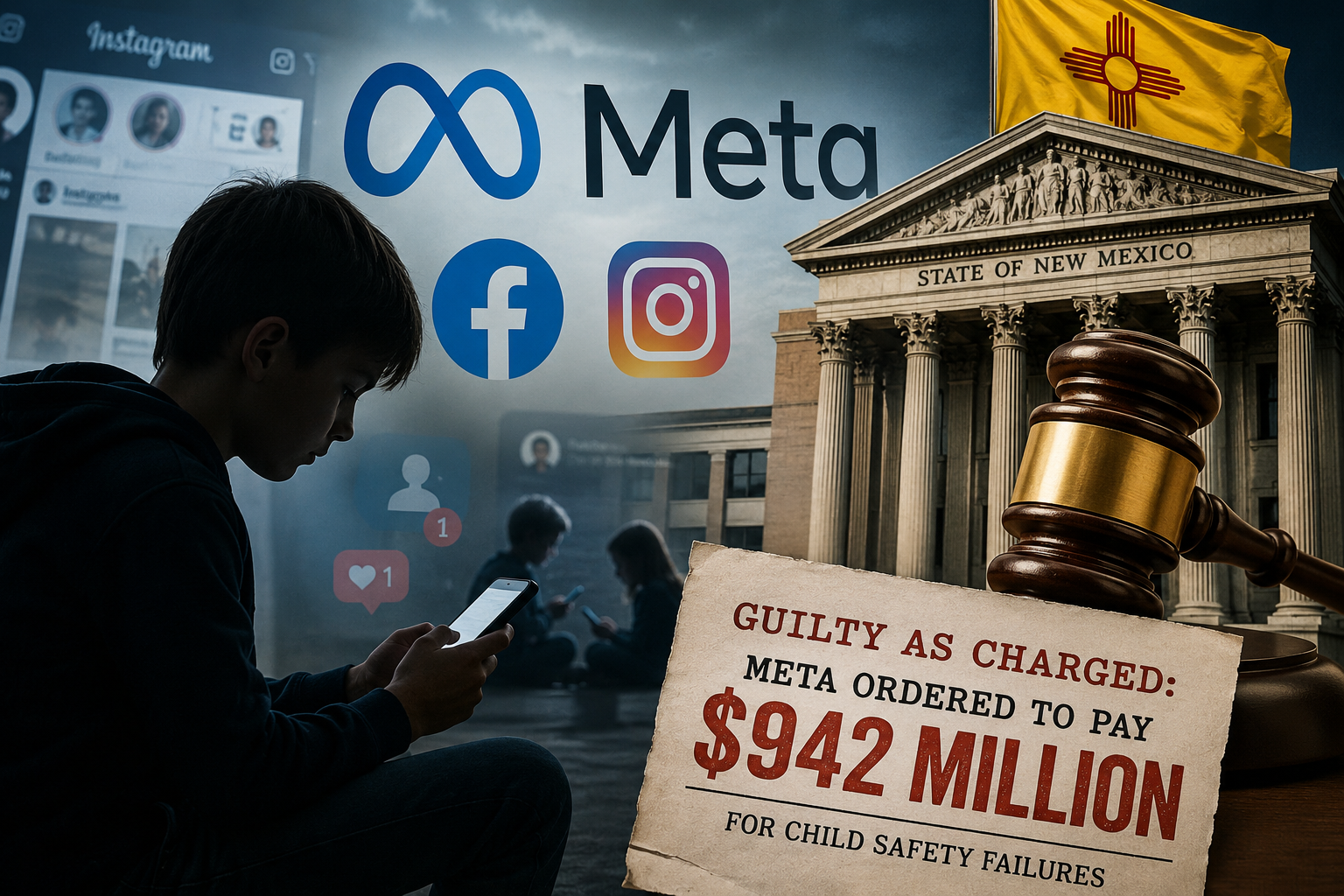
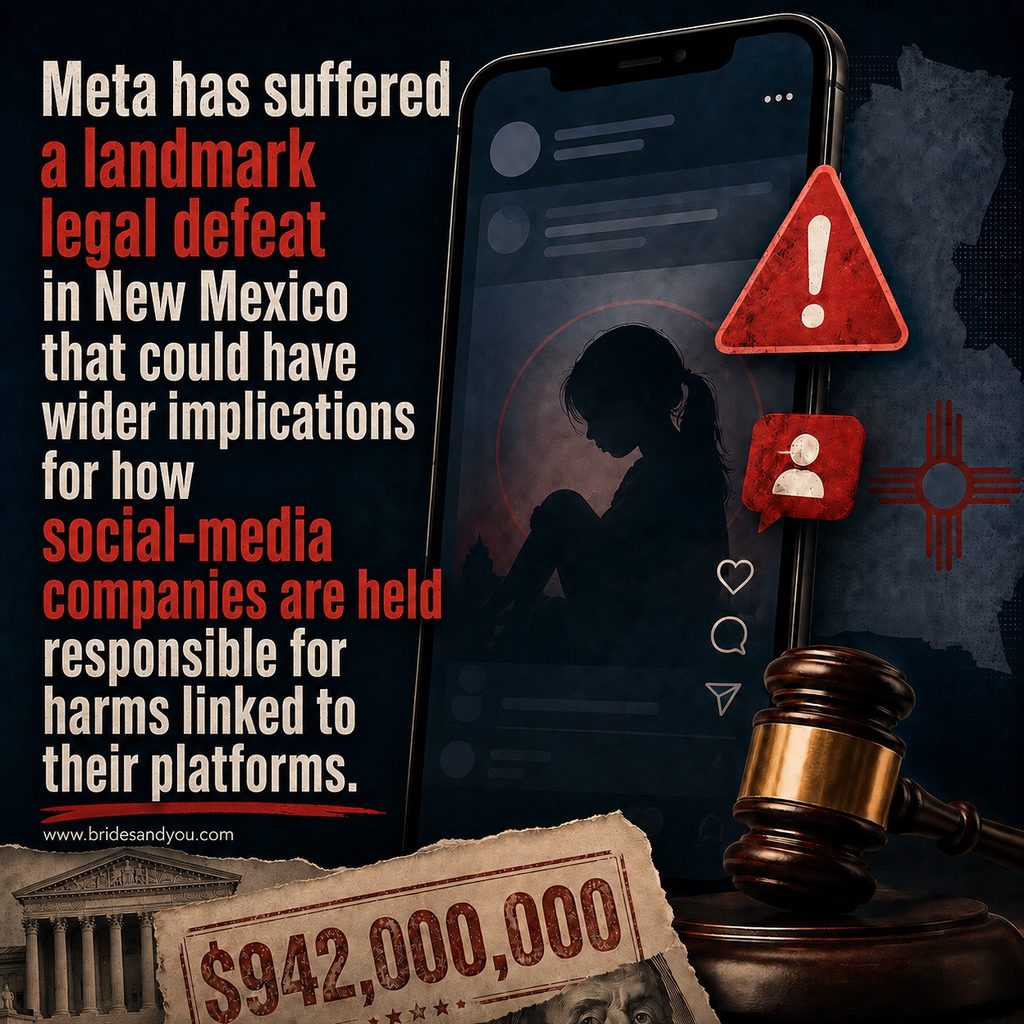
Meta has suffered a landmark legal defeat in New Mexico that could have wider implications for how social-media companies are held responsible for harms linked to their platforms.
The case focused on Facebook and Instagram and the risks they pose to children and teenagers. At its heart was an increasingly important question: should technology companies only be responsible for harmful content posted by users, or can they also be held accountable for the way their platforms are designed?
For more detailed version read here.
An undercover investigation
The case began in December 2023 when New Mexico Attorney General Raúl Torrez sued Meta, its subsidiaries, and CEO Mark Zuckerberg.
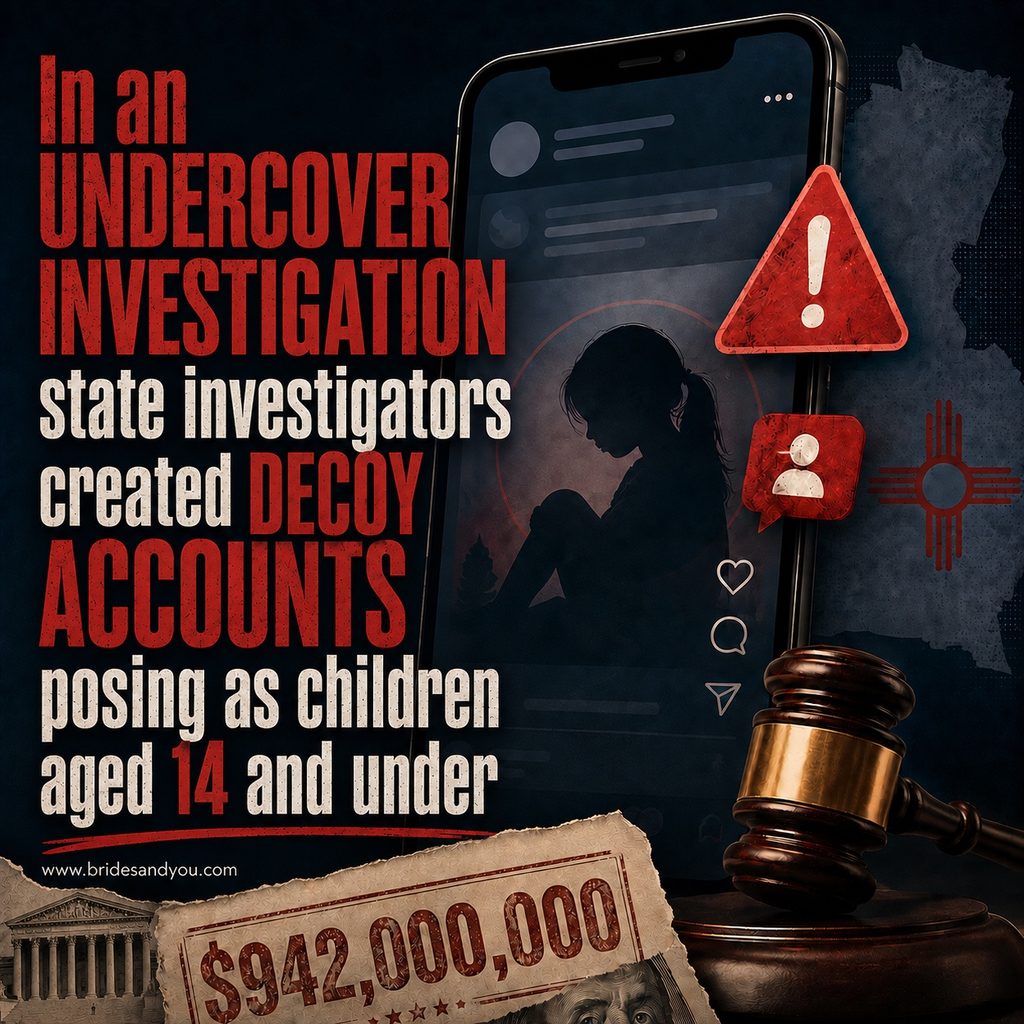
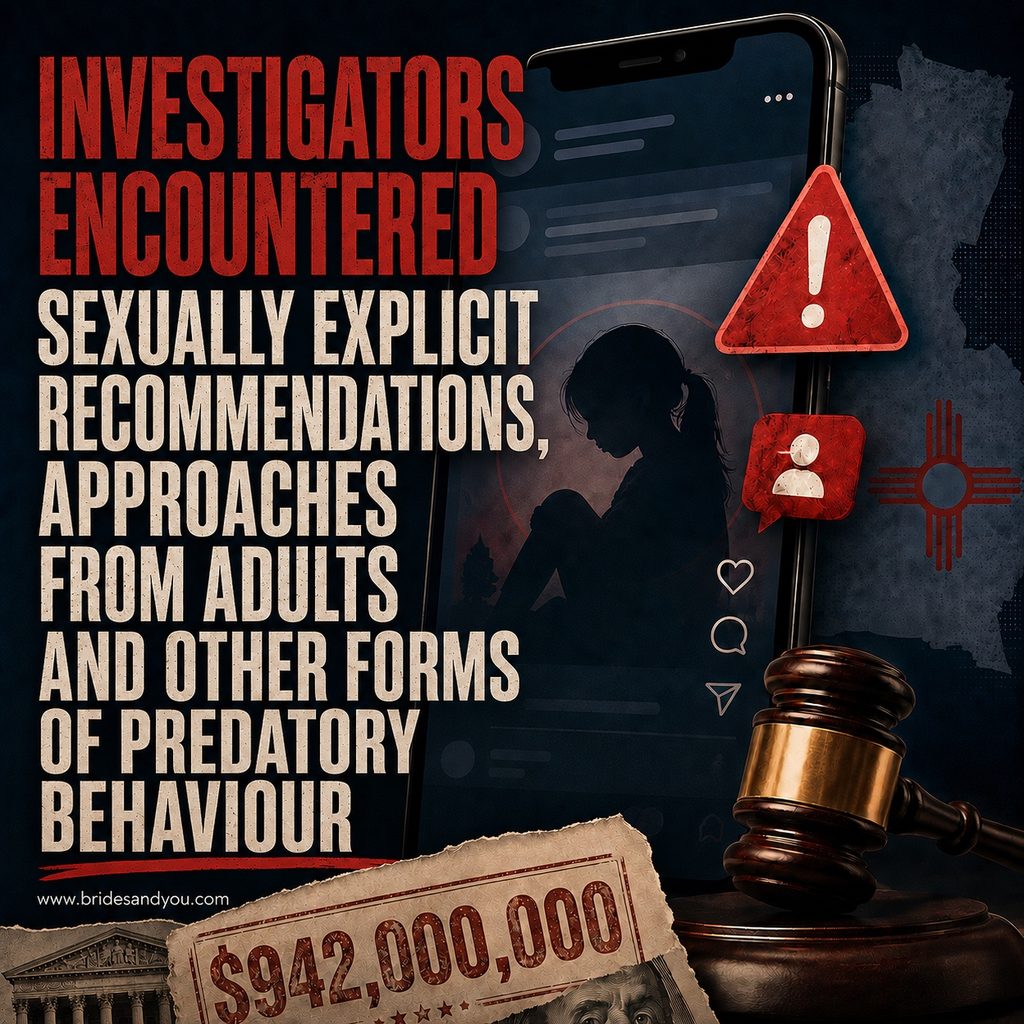
The lawsuit followed an undercover investigation in which state investigators created decoy accounts posing as children aged 14 and under. According to the New Mexico Department of Justice, investigators encountered sexually explicit recommendations, approaches from adults, and other forms of predatory behavior.
New Mexico accused Meta of failing adequately to protect children from sexual exploitation and online solicitation while designing Facebook and Instagram in ways that encouraged excessive or compulsive use. Meta disputed the allegations and has defended its record on youth safety.
Meta faces a $942 million bill
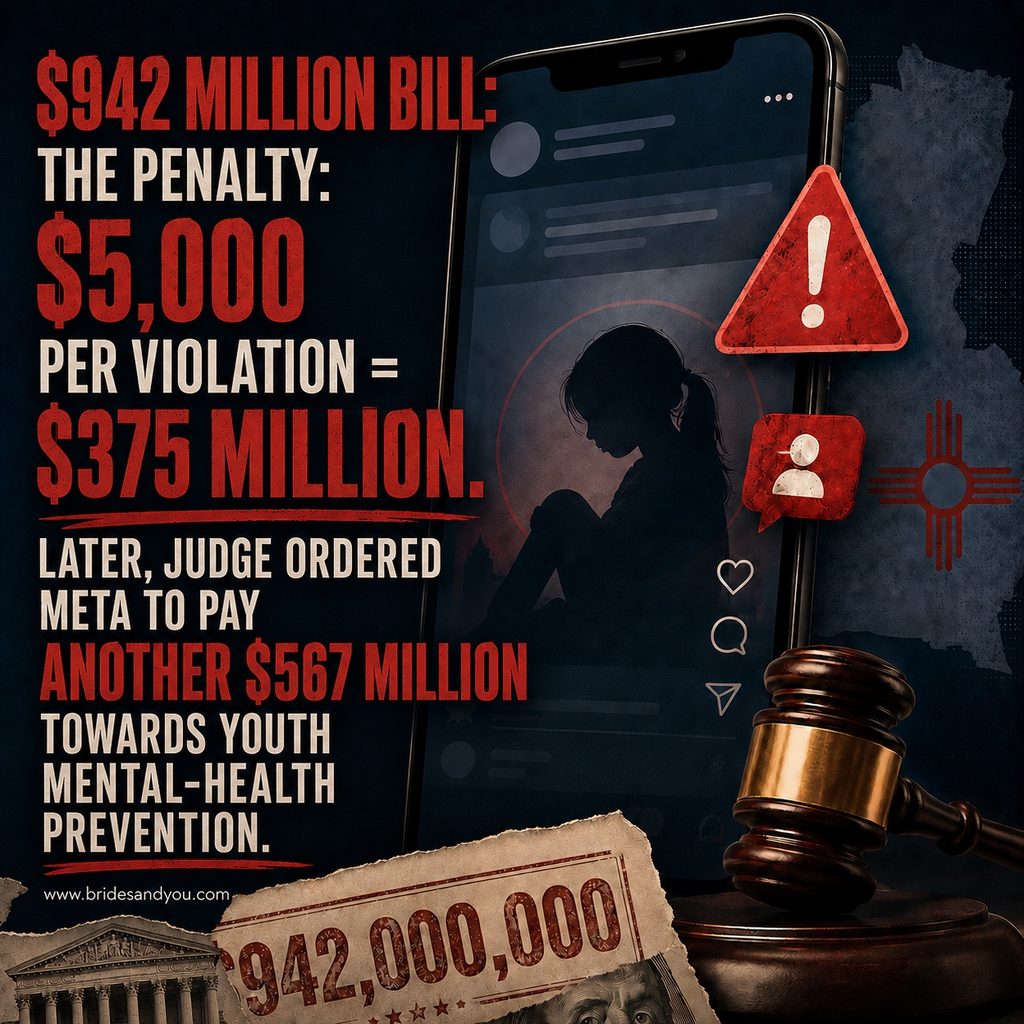
On 24 March 2026, a New Mexico jury found Meta liable for 75,000 violations of the state’s Unfair Practices Act.
The penalty: $5,000 per violation—$375 million.
The case then went before Judge Bryan Biedscheid, who ruled on 6 August 2026 that Meta had created a public nuisance in New Mexico. He ordered the company to pay another $567 million towards youth mental-health prevention, treatment and related harms.
Together, Meta’s financial exposure reached approximately $942 million.
Meta has denied wrongdoing and intends to appeal.
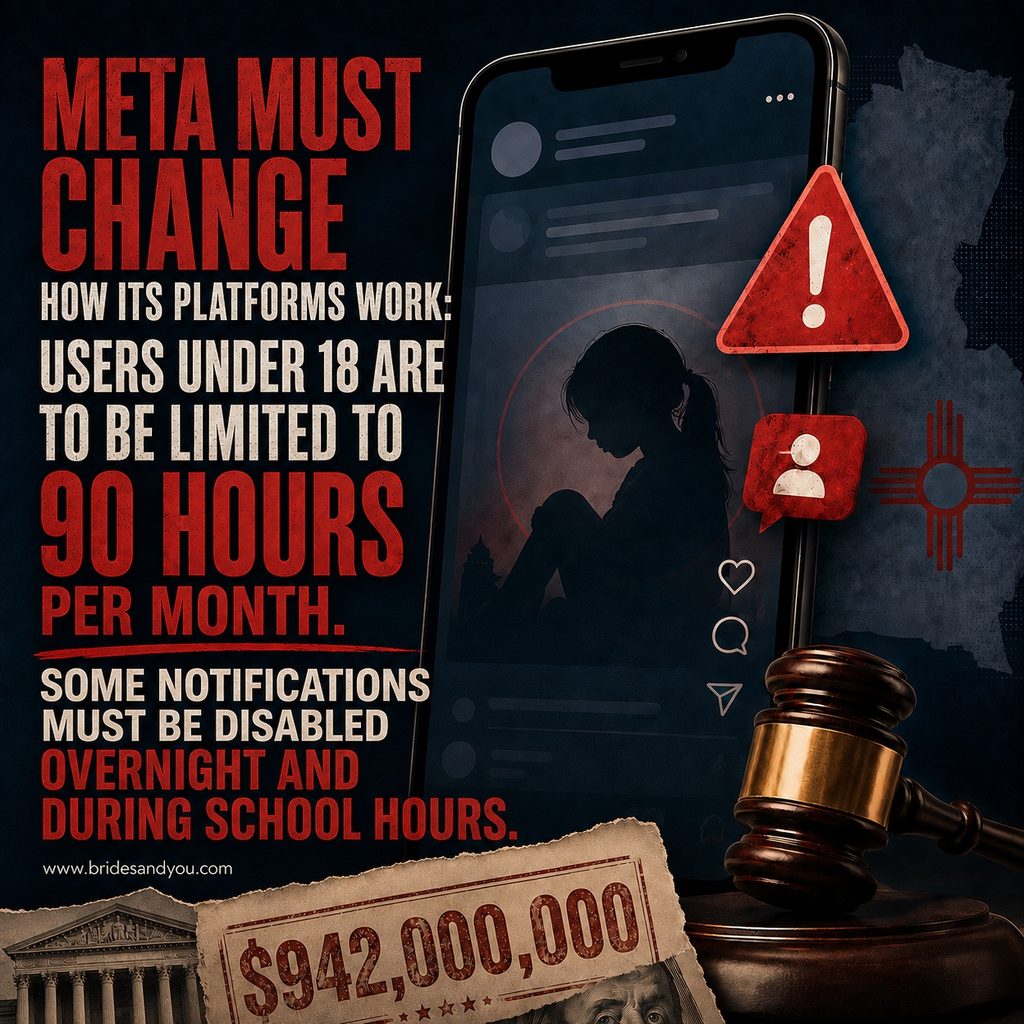
Meta must change how its platforms work
The ruling did more than impose a huge financial penalty. Meta was also ordered to change aspects of Facebook and Instagram for young users in New Mexico under court supervision for five years.
Measures include tighter age-assurance procedures, limits on how long minors can use the platforms, restrictions on notifications, greater controls on adults contacting minors, and stronger protections against sexualized interactions involving minors.
According to Reuters, users under 18 are to be limited to 90 hours per month, with some notifications disabled overnight and during school hours.
The judge did not, however, grant everything New Mexico wanted. He refused some proposed restrictions involving algorithms, infinite scroll, and autoplay, citing concerns involving the First Amendment, Section 230, and Meta’s business interests.
Why Section 230 matters
One of the most interesting parts of the case involves Section 230, the US law that generally protects online platforms from being legally responsible for content posted by their users.
Meta argued that Section 230 protected it.
But the judge drew an important distinction:
Harmful content posted by users → Meta may have Section 230 protection.
Harm caused or encouraged by Meta’s own platform design → Section 230 may not protect Meta.
In other words, the court was looking not only at what users posted but also at how Meta designed the environment in which those interactions took place.
That distinction could become increasingly important for social-media regulation.
From harmful content to harmful design
Social media platforms are not simply empty spaces where people communicate.
Recommendation systems decide what users see next. Push notifications encourage them to return. Likes and follower counts turn attention and popularity into visible metrics. Infinite scroll encourages continuous consumption.
These features, often described in digital-media studies as affordances, can influence behavior.
The New Mexico case therefore raises a larger question: if platforms deliberately design features to maximize engagement, should they also bear responsibility when those features contribute to foreseeable harm?
Meta and Google also lose in Los Angeles
The New Mexico ruling is not an isolated case.
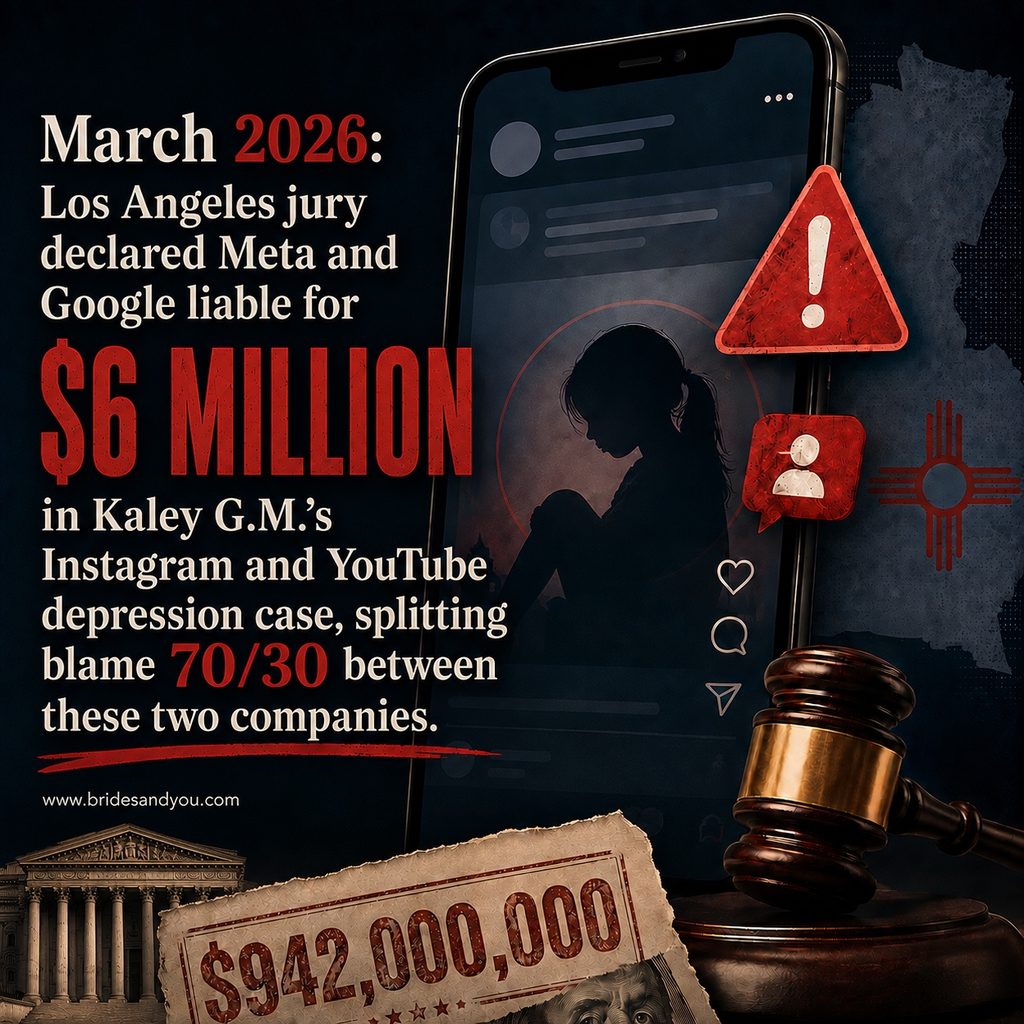
On 25 March 2026, a Los Angeles jury found Meta and Google liable in a case brought by Kaley G.M., who said Instagram and YouTube contributed to her depression and anxiety.
The jury awarded $6 million, assigning 70 percent of the responsibility to Meta and 30 percent to Google. Both companies intend to appeal.
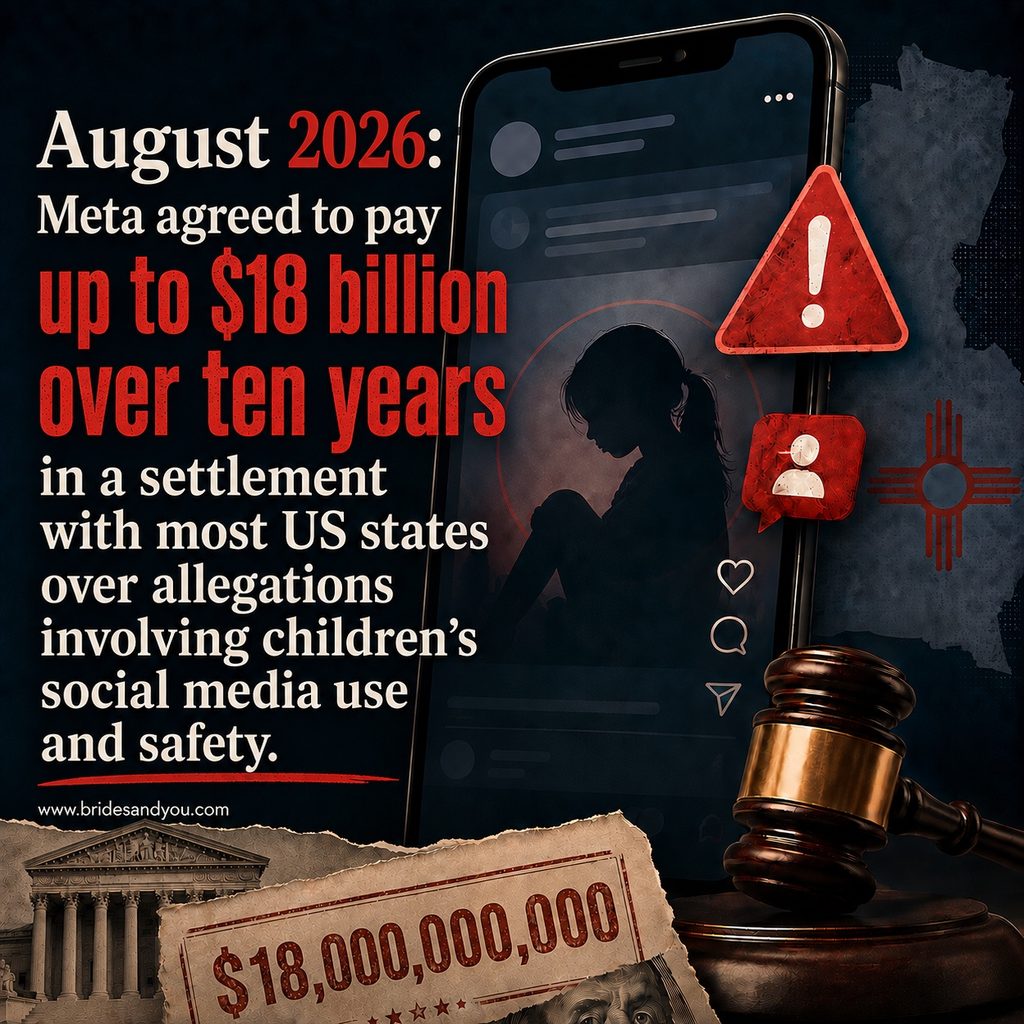
Then, on 26 August 2026, Meta agreed to pay up to $18 billion over ten years in a separate settlement with most US states over allegations involving children’s social-media use and safety. Meta admitted no wrongdoing. New Mexico and Florida were not part of that settlement.
Why this matters
The debate around technology regulation is shifting.
The question is no longer simply:
Who created the harmful content?
Increasingly, courts and regulators are also asking:
Who designed the system that recommended, amplified, rewarded, or monetized it?
The New Mexico ruling does not mean platforms are automatically responsible for every harmful interaction, and Meta is appealing.
But it does show that digital platforms are increasingly being examined not simply as neutral hosts of other people’s content, but as designed environments whose architecture, algorithms, and commercial incentives can have consequences of their own.
That may prove to be the most important part of Meta’s defeat.
Sources
New Mexico Department of Justice — original lawsuit announcement, 6 December 2023
New Mexico Department of Justice — jury verdict, 24 March 2026
New Mexico Department of Justice — final judgment and remedies, 7 August 2026
Reuters — New Mexico court orders Meta to pay $567 million, 6 August 2026
Reuters — what the New Mexico ruling requires Meta to change, 7 August 2026
Reuters — Los Angeles verdict against Meta and Google, 25 March 2026
Reuters — wider US settlement and current litigation context, 26 August 2026