Now Reading: Danish Taimoor’s New Drama Nashtar Sparks Online Debate Over Repetitive Roles
-
01
Danish Taimoor’s New Drama Nashtar Sparks Online Debate Over Repetitive Roles

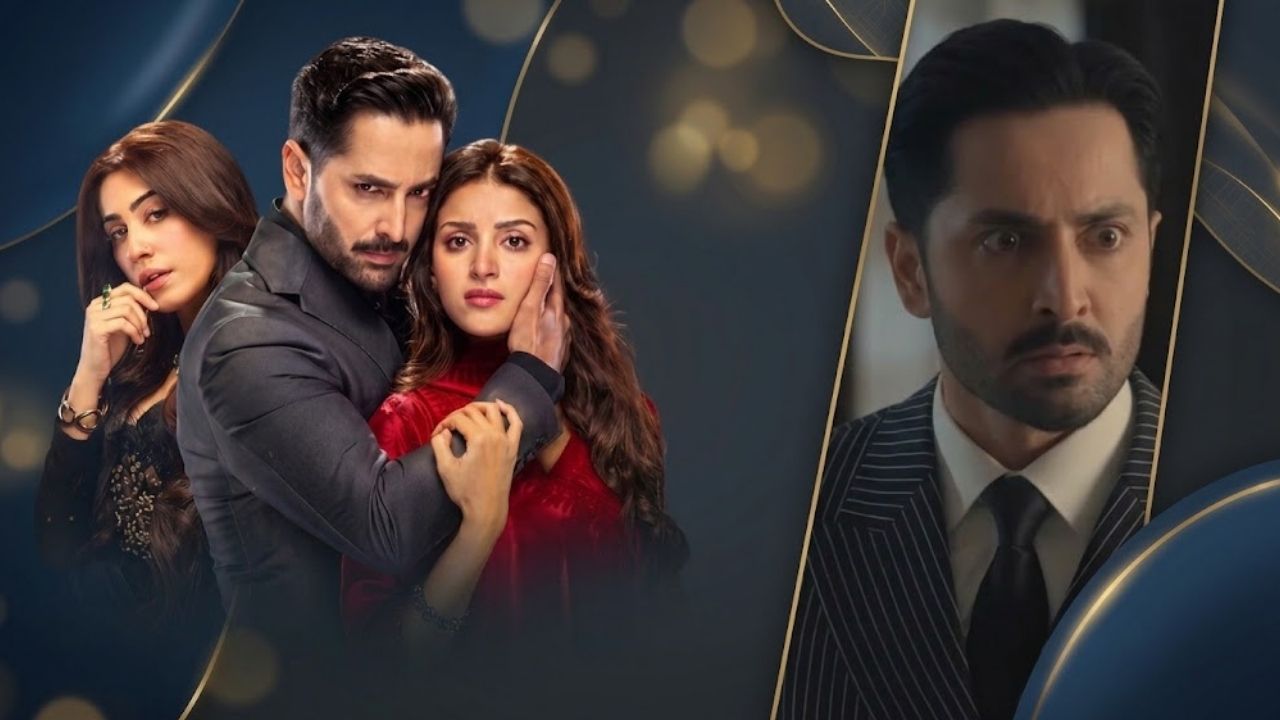
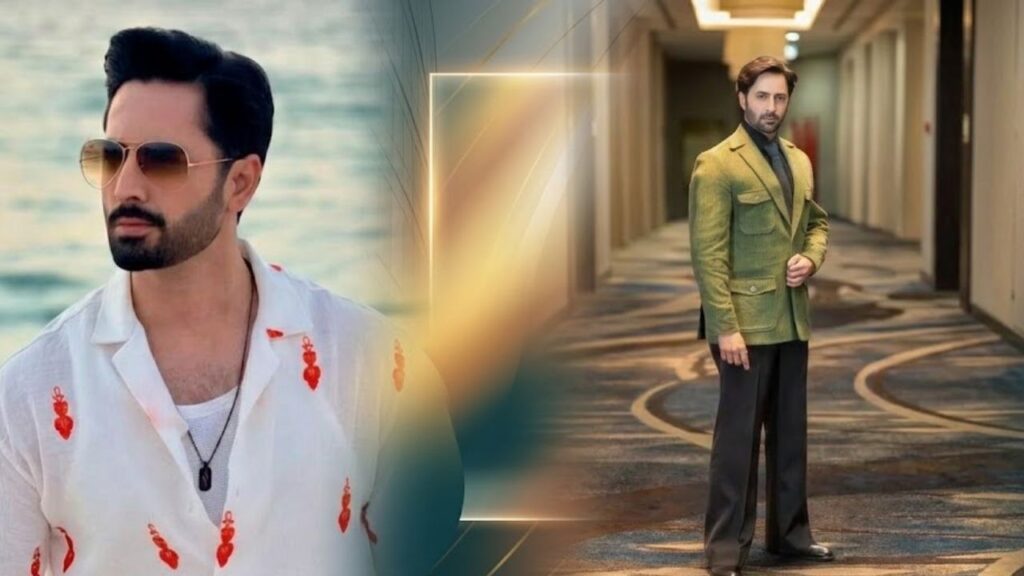
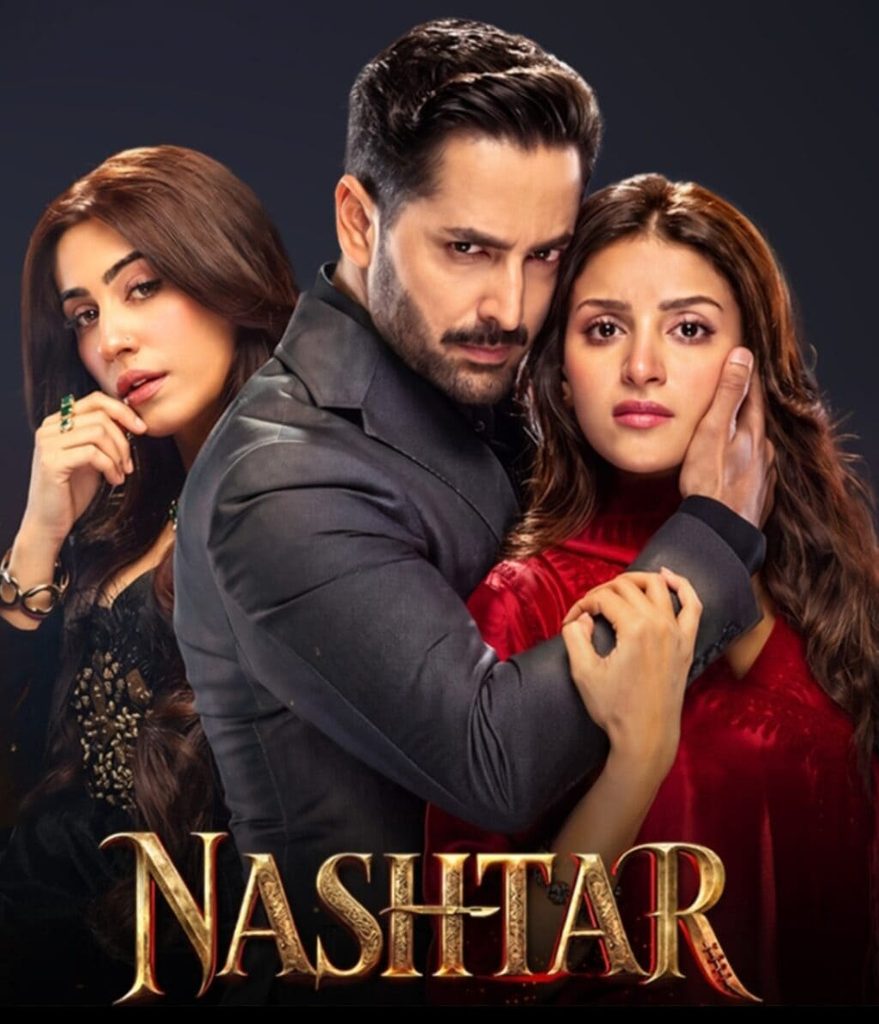
Geo TV’s newly launched television project Nashtar has quickly stepped into the spotlight, pulling in massive digital numbers while simultaneously sparking intense online debate. Helmed by director Siraj-ul-Haq and penned by Maha Malik, the big-budget project is brought to screens by powerhouse producers Abdullah Kadwani and Asad Qureshi the creative masterminds behind mega-hits like Deewangi and Tere Bin.
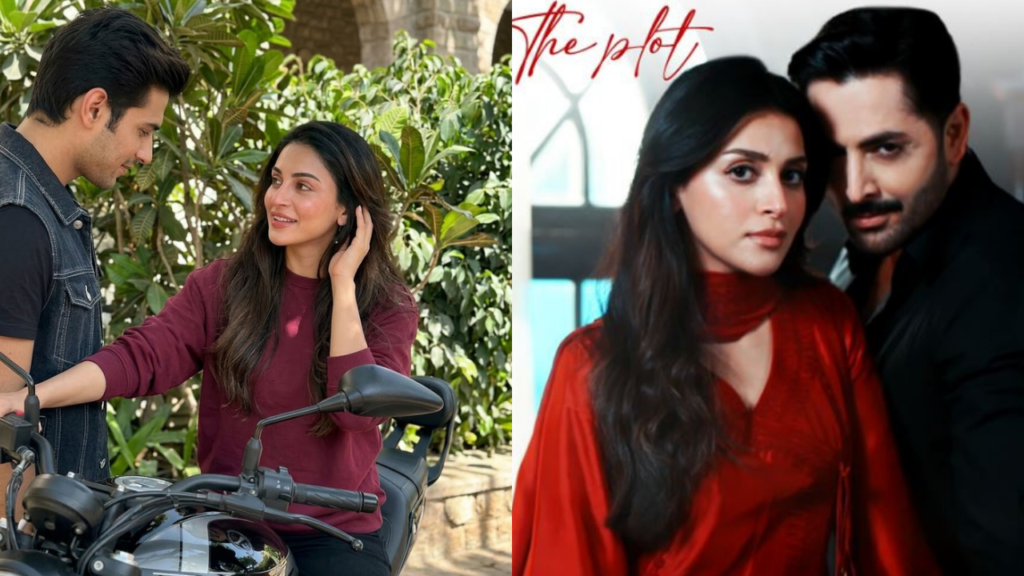
The storyline focuses on Dawood, a wealthy and short-tempered tycoon portrayed by Danish Taimoor. After being publicly embarrassed at a high-profile gathering by a headstrong young woman named Bareera (played by Anmol Baloch), Dawood sets out on a calculated path of retribution. Despite racking up more than six million views per episode within 24 hours of release, the series faces growing criticism over its central dynamic.
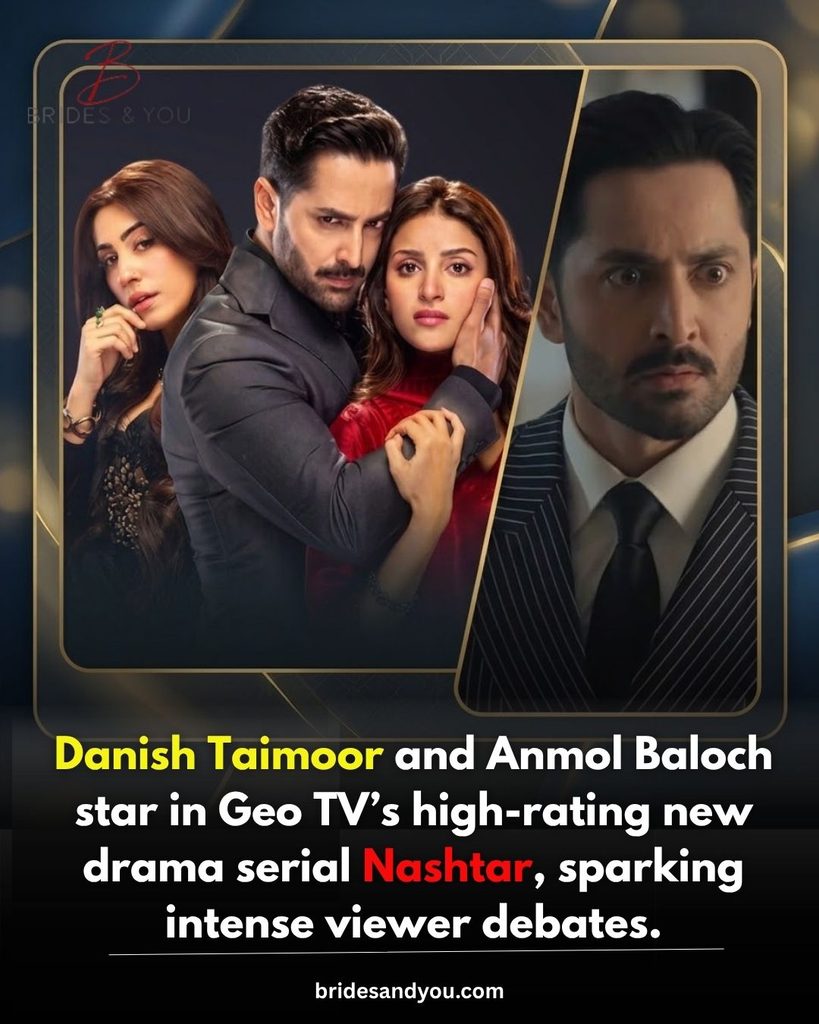
High Ratings vs. Screenplay Fatigue
The initial episodes set up the core conflict when Bareera publicly calls out Dawood, setting off a classic revenge arc. By the third episode, the narrative takes a dark turn as Dawood lures Bareera to his residence under the guise of an invitation, only to orchestrate a retaliatory scene meant to degrade her.
While the sequence went viral across social platforms, it triggered an immediate reaction from prime-time viewers weary of familiar tropes. Fans and critics alike have taken to comment sections to voice frustration over what many consider a predictable blueprint in modern Pakistani television.
Viewers Push Back Against Toxic Tropes
A significant portion of the audience feels that the narrative leans too heavily into glorified toxicity rather than meaningful drama. Criticisms on social media point to a growing distaste for male leads whose primary character traits center on power imbalance and hostility toward women.
- Formulaic Scripting: Audiences have highlighted the repetitive nature of dark romance themes, questioning why television writers frequently rely on abusive dynamics disguised as passion.
- Character Monotony: Several fans expressed disappointment with Danish Taimoor’s choice of projects, noting that his recent portrayals closely mirror one another offering little variation in demeanor, tone, or character development.
- Problematic Representation: Commentators underscored that portraying retaliatory behavior and public humiliation as romantic tension sets a troubling standard for mainstream entertainment.
As Nashtar continues its broadcast run, its strong viewership proves that high-stakes revenge plots remain a guaranteed ratings driver. However, the online pushback signals a shifting audience dynamic one that demands fresher narratives and complex character arcs over familiar, aggressive formulas.