Now Reading: Zulqarnain and Kanwal Address Their Fallout With Rajab Butt and Reflect on Their Former Bond
-
01
Zulqarnain and Kanwal Address Their Fallout With Rajab Butt and Reflect on Their Former Bond
Zulqarnain and Kanwal Address Their Fallout With Rajab Butt and Reflect on Their Former Bond

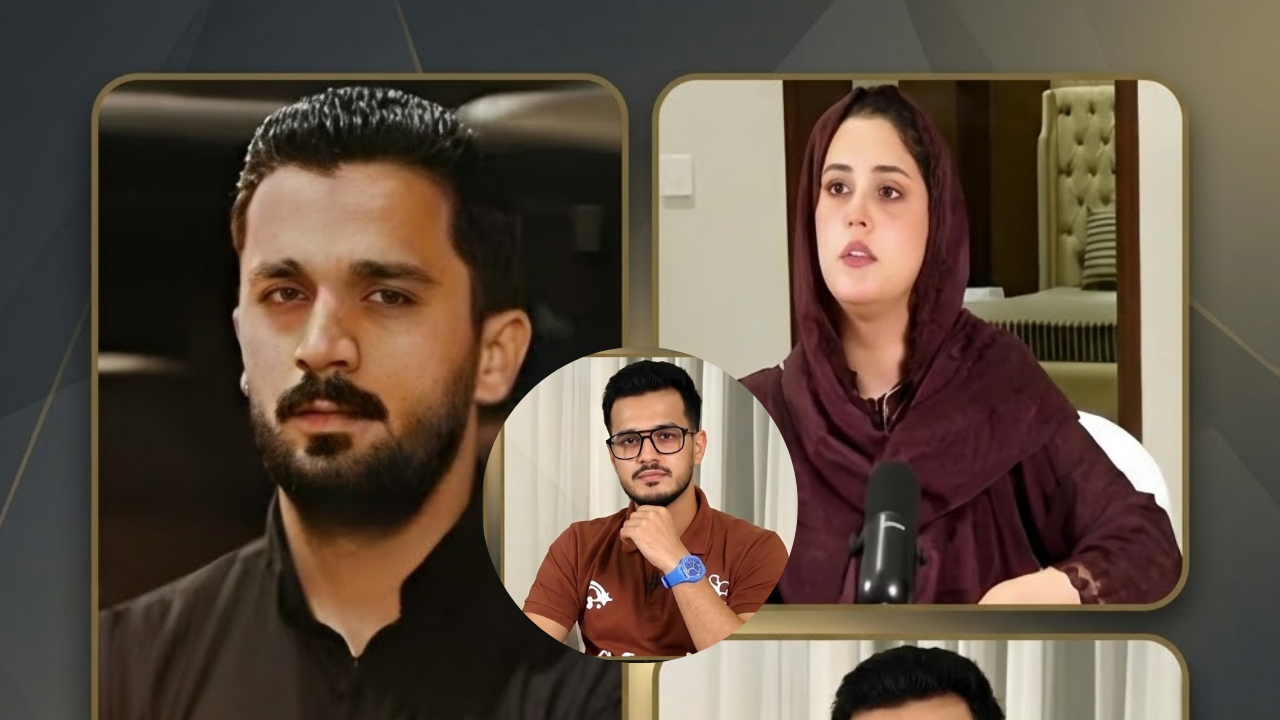
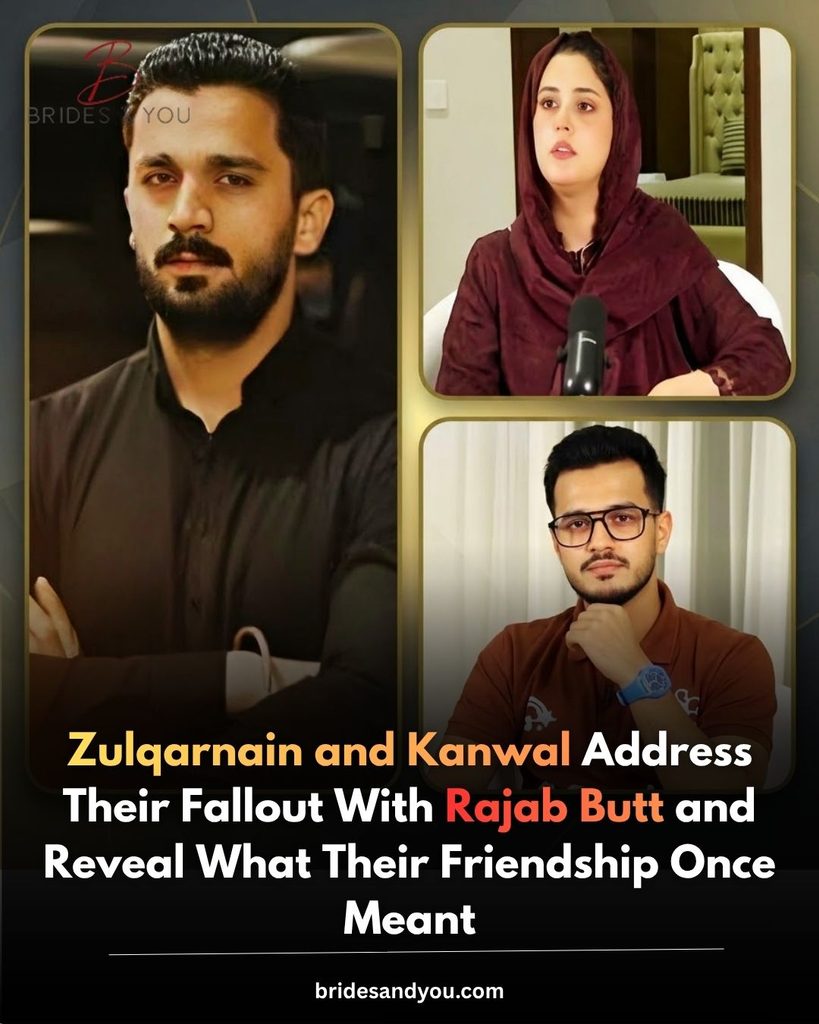
The once-close friendship between Pakistani digital creators Zulqarnain Sikandar, Kanwal Aftab, and Rajab Butt has taken a very different turn, and the former friends are now speaking publicly about what happened.
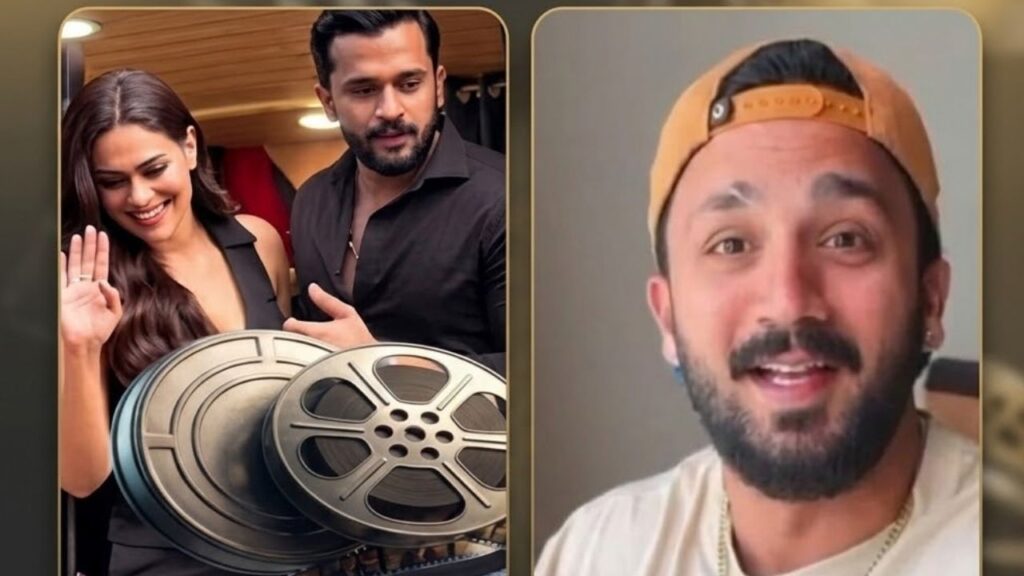
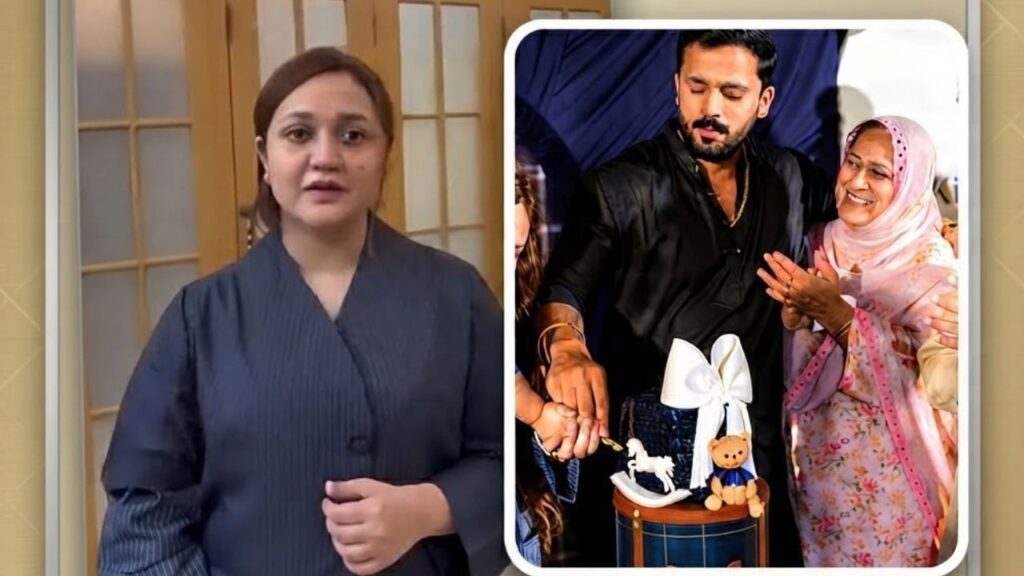
During a recent appearance on The Blue Truth Digital, Zulqarnain and Kanwal revisited their relationship with Rajab, discussing the closeness they once shared, the support exchanged during the early stages of his content-creation journey, and the dispute that eventually pushed them apart.
Their comments also brought renewed attention to the phrase “Rajab Butt Mera Sala?”, which has become part of the wider online conversation surrounding the creators.
From Close Friends to a Public Fallout
Zulqarnain recalled a time when Rajab was not simply another creator in their circle. According to him, Rajab would regularly turn to both him and Kanwal when he wanted advice or needed to discuss important matters.
Reflecting on that period, Zulqarnain said, “Rajab Butt muj say mashwaray karta tha,” explaining that Rajab used to seek his advice.
The couple described their connection as being close enough to resemble a family relationship. They said their friendship lasted for more than two years and involved mutual trust and support.
Zulqarnain has also previously spoken about the assistance he and Kanwal provided Rajab during his early days as a content creator, including collaborations and exposure.
What makes the situation particularly striking is the contrast between that earlier closeness and the public disagreement that emerged in March 2026.
Kanwal Opens Up About Rajab’s Family
Kanwal also addressed the relationship she once had with Rajab’s family.
Despite the problems that later developed between the families, she said she still refers to Rajab’s mother as “Maa Ji”, explaining that she continues to view her as an elder deserving of respect.
She also discussed a previous comment attributed to Rajab’s mother that became a subject of online discussion. Kanwal said she and Zulqarnain chose not to escalate the matter into another controversy, believing the words may simply have been spoken during a conversation.
Her comments offered a glimpse into the distinction she appears to make between personal disagreements and the respect she continues to hold for elders.
Kanwal Explains Her Position in the Dispute
The conversation also touched on Kanwal’s involvement in controversies connected to Rajab’s personal life.
Kanwal explained that her association with Rajab came from their longstanding friendship, while she did not personally have relationships with some of the other individuals who later became involved in the dispute.
She further expressed her view that the respect and support she had shown Rajab in the past should have been mutual.
For Kanwal, the issue was not simply about being connected to a fellow content creator. Their history had been built over years, which made the subsequent conflict more personal.
A Response to Comments About Her Marriage
Kanwal also recalled an incident involving comments Rajab allegedly made about her and her family following a social media post.
In response, she challenged the idea that outsiders could judge her marriage or her in-laws without knowing the reality of her family circumstances.
Her remarks reflected one of the broader tensions that emerged during the dispute: personal relationships that had once been private increasingly became subjects of public discussion online.
Why “Rajab Butt Mera Sala?” Has Become a Talking Point
The phrase “Rajab Butt Mera Sala?” has attracted attention largely because of the unusual history between the creators.
Zulqarnain and Kanwal have described their former relationship with Rajab as deeply familiar and family-like. Their account of the friendship, combined with the later fallout, has given the phrase added significance within discussions about their past.
The creators’ disagreement has already developed into a much wider social media dispute, with public statements and accusations emerging from both sides.
For now, Zulqarnain and Kanwal’s podcast discussion provides their perspective on a relationship that once involved friendship, advice, collaboration, and mutual support. Their comments also underline how dramatically a once-close connection can change when private disagreements become part of the public digital conversation.